Posted on — Leave a comment

Google Pixel 11 Pro XL vs S26 Ultra: Camera, Performance, Battery & Display Compared

The Google Pixel 11 Pro XL and the Samsung Galaxy S26 Ultra are both top-tier Android phones aimed at buyers who want the best. They come packed with performance, excellent cameras, bright and sharp displays, long battery life and up-to-date AI tools. Each phone brings something to the table.. When it comes down to it which one stands out more? It’s not always clear. The choice depends on what you value in a smartphone. Some people prefer the software and camera magic of Google. Others, like the customization and features that Samsung offers. You have to weigh the pros and cons based on your needs.


Google Pixel 11 Pro XL vs Samsung Galaxy S26 Ultra: Quick Specs

Google Pixel 11 Pro XL vs Samsung Galaxy S26 Ultra quick specs comparison featuring display, processor, RAM, cameras, battery, operating system and key features.
A quick side-by-side comparison of the Google Pixel 11 Pro XL and Samsung Galaxy S26 Ultra, covering their key specifications and features.
Feature Google Pixel 11 Pro XL Samsung Galaxy S26 Ultra
Display Premium OLED Premium AMOLED
Refresh Rate High refresh rate High refresh rate
Processor Google Tensor Flagship Snapdragon/Exynos
Cameras Advanced Pixel camera system Advanced Ultra camera system
Battery Large battery Large battery
Software Android / Pixel UI Android / One UI
AI Google AI Galaxy AI

Camera Comparison

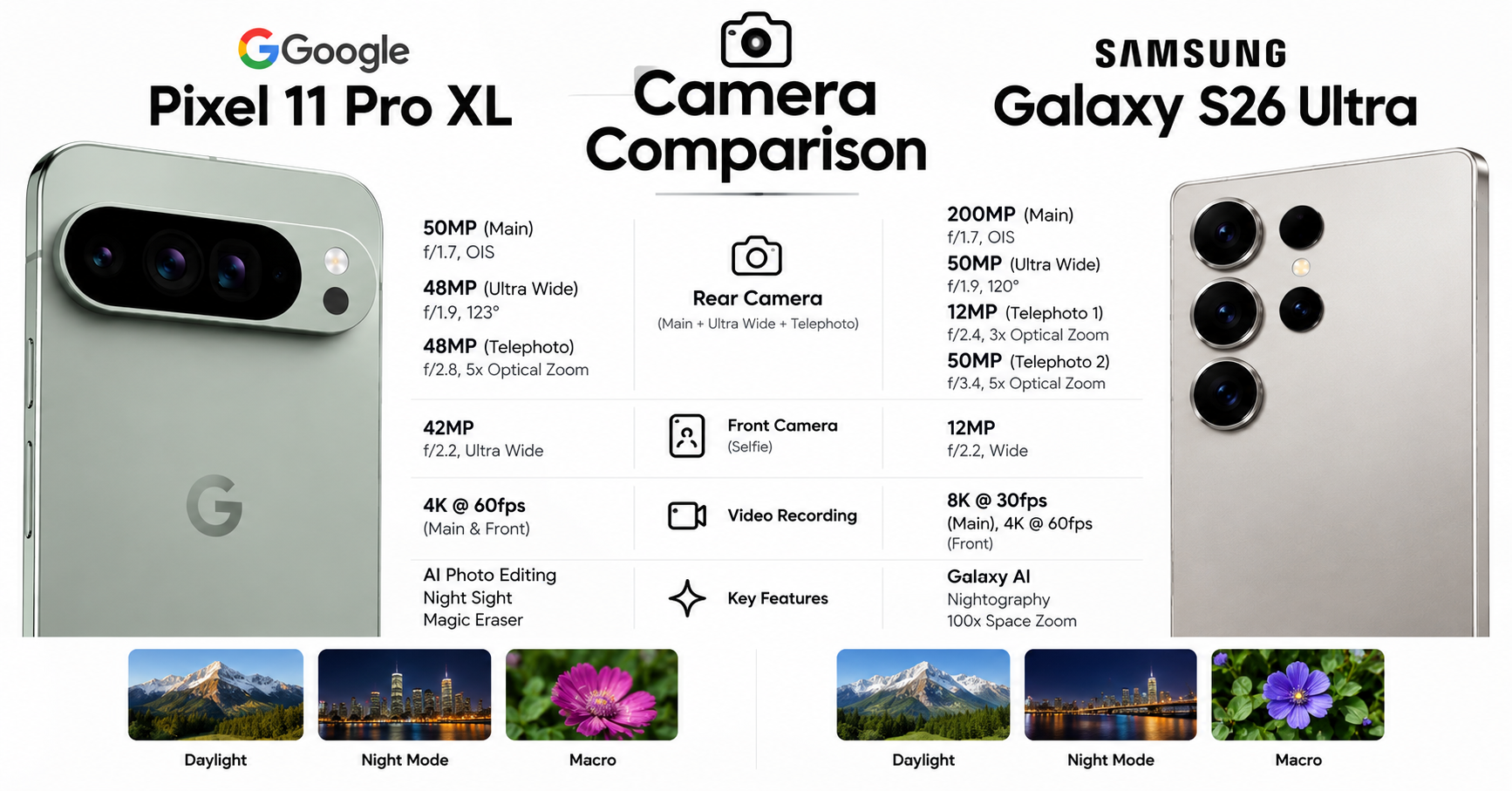
Google Pixel 11 Pro XL vs Samsung Galaxy S26 Ultra camera comparison showing rear camera sensors, telephoto lenses, ultra-wide cameras, front cameras, optical zoom and photography features.
A detailed camera comparison between the Google Pixel 11 Pro XL and Samsung Galaxy S26 Ultra, covering megapixels, zoom, ultra-wide cameras and key photography features.

The Google Pixel 11 Pro XL is expected to focus a lot on photography making it a good choice, for people who like natural colors, portraits, night pictures and AI based editing. The Galaxy S26 Ultra is focused on camera flexibility, high resolution pictures and strong zoom features  Camera Winner: Pick the Pixel if you want Googles photography processing or pick the S26 Ultra if you want flexibility and zoom.

Performance
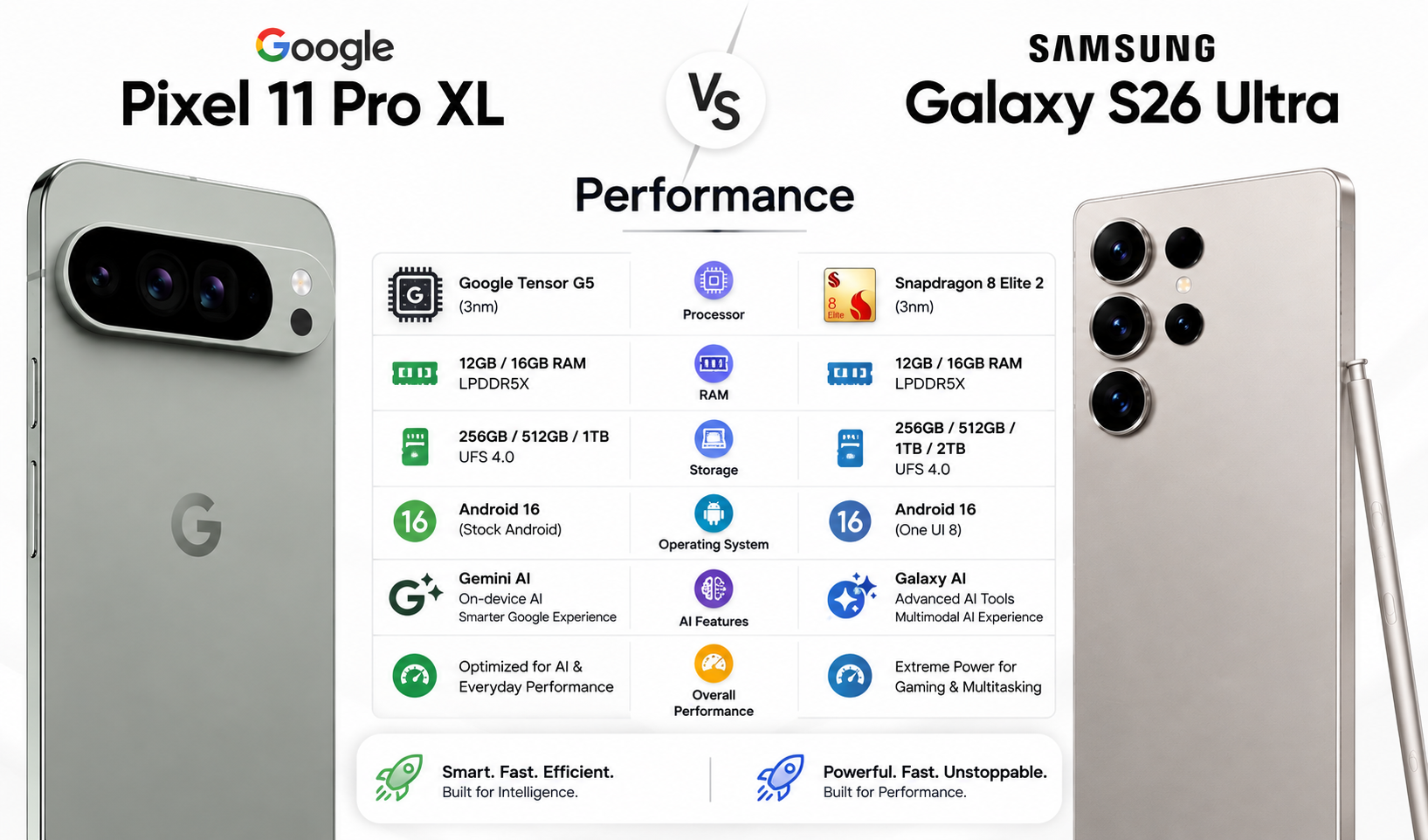
Google Pixel 11 Pro XL vs Samsung Galaxy S26 Ultra performance comparison showing processor, RAM, storage, operating system, AI features and overall performance.
A side-by-side performance comparison of the Pixel 11 Pro XL and Samsung Galaxy S26 Ultra, covering chipset, RAM, storage, software and AI features.

The Google Pixel 11 Pro XL is made to work with Googles Tensor platform and AI features while the Galaxy S26 Ultra is made for users who want strong flagship performance  For gaming, multitasking, video editing and demanding apps the Galaxy S26 Ultra may be better depending on the chipset and test results  Performance Winner: Galaxy S26 Ultra, for performance.

Battery and Charging
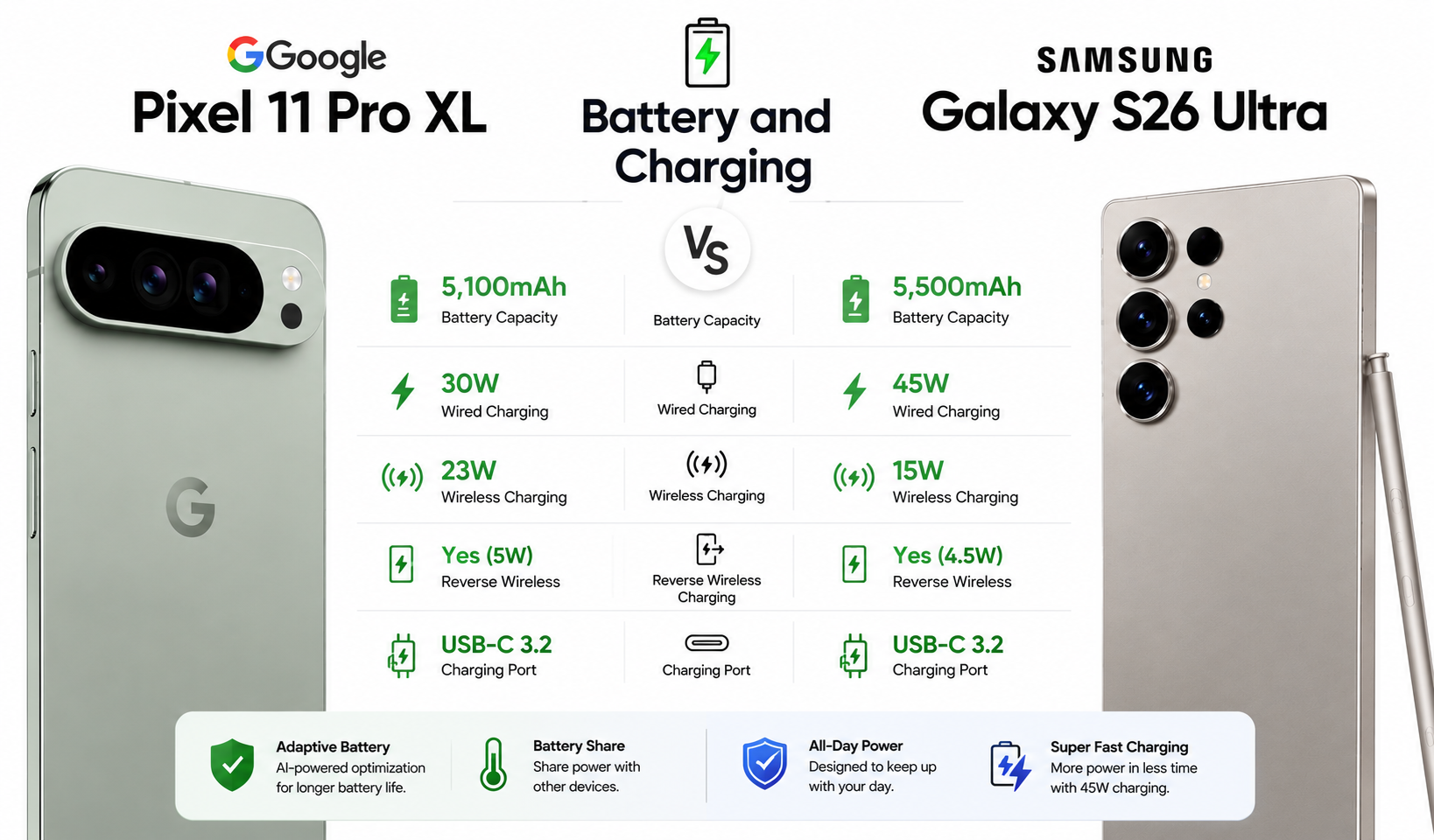
Google Pixel 11 Pro XL vs Samsung Galaxy S26 Ultra battery and charging comparison showing battery capacity, wired charging, wireless charging, reverse wireless charging and USB-C charging.
A side-by-side comparison of the Google Pixel 11 Pro XL and Samsung Galaxy S26 Ultra battery capacity and charging features.

Battery is made to give all-day Battery life. The Google Pixel 11 Pro XL mixes a Battery, with Googles software tuning while the Samsung S26 Ultra gives Samsungs Battery management and quick charging For the result real-world Battery testing should be considered instead of just Battery capacity alone.

Display
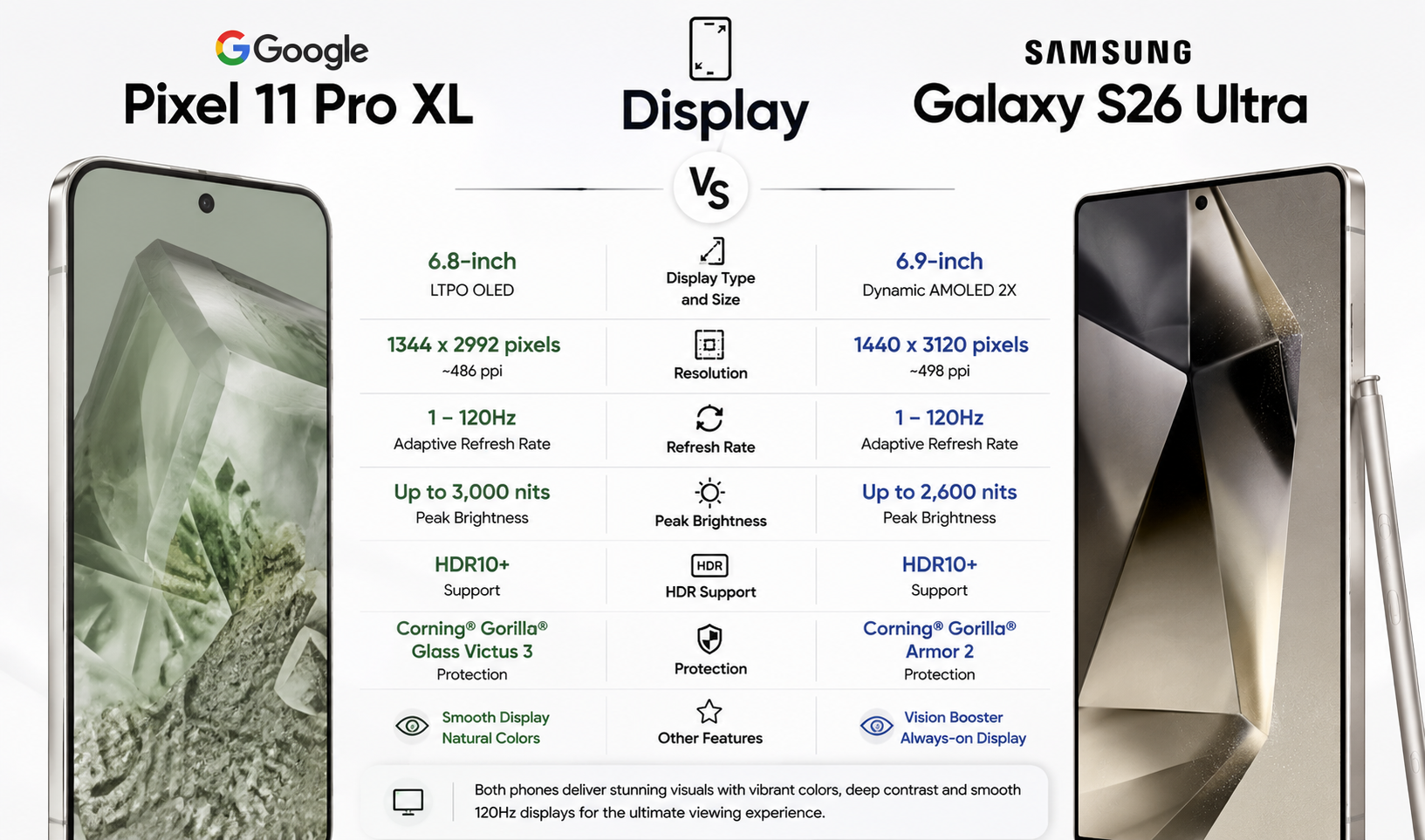
Google Pixel 11 Pro XL vs Samsung Galaxy S26 Ultra display comparison showing screen size, display type, resolution, refresh rate, peak brightness, HDR support and screen protection.
A side-by-side display comparison of the  Pixel 11 Pro XL and Samsung Galaxy S26 Ultra, covering screen size, resolution, brightness, refresh rate and display features.

The Google Pixel 11 Pro XL has an smooth OLED screen that works well for watching videos playing games and using it every day. samsungs Galaxy S26 Ultra is aimed at people who want a of-the-line AMOLED display with great brightness, clear images and smooth movement on the screen Display Winner: Both are good, with the winner depending on brightness, color accuracy and the tests done.

Google Pixel 11 Pro XL, versus Galaxy S26 Ultra: Which One Should You Buy?
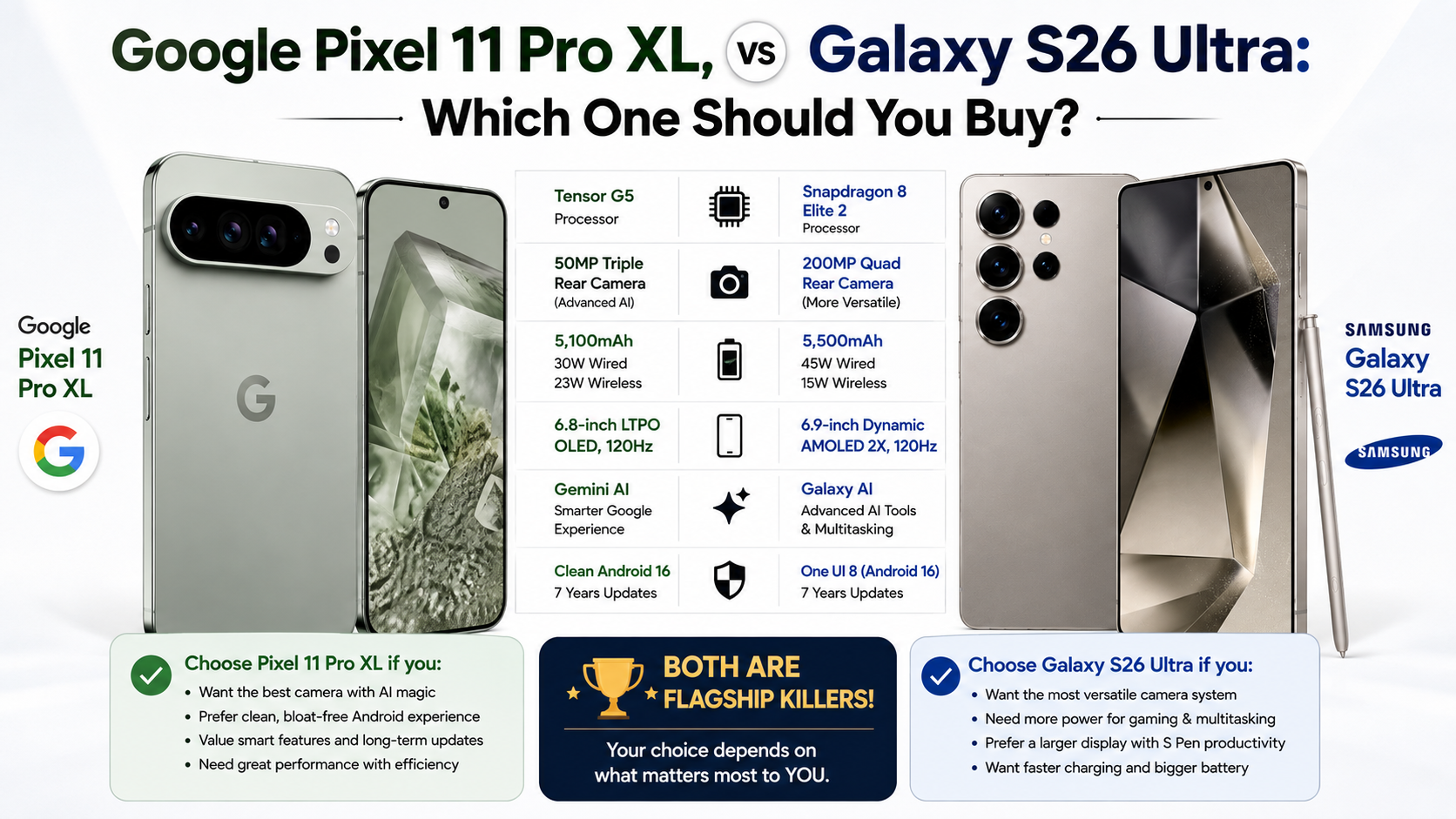
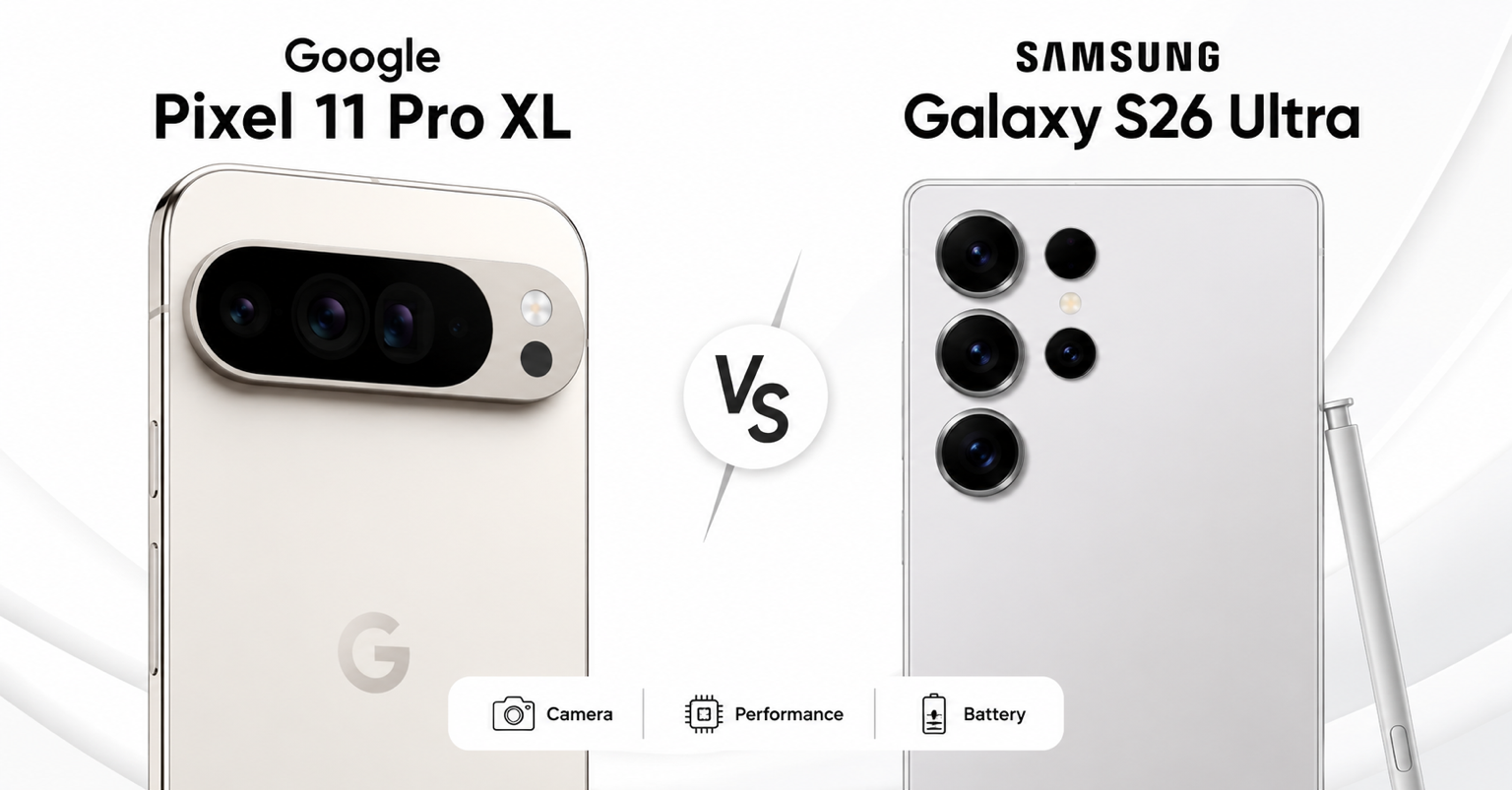
Google Pixel 11 Pro XL vs Samsung Galaxy S26 Ultra comparison showing processor, camera, battery, display, AI features, software and which flagship phone you should buy.
Pixel 11 Pro XL or Samsung Galaxy S26 Ultra? Compare their key features and find the flagship phone that best matches your needs.

Choose the Google Pixel 11 Pro XL if you want:

  • Excellent computational photography
  • Googles clean Android experience
  • Google AI features
  • Pixel- software

Choose the Galaxy S26 Ultra if you want:

  • Powerful performance
  • Advanced zoom cameras
  • S Pen features
  • samsungs One UI and ecosystem

Final Verdict

The Pixel 11 Pro XL versus the S26 Ultra comes down to what matters to each person. ThePixel 11 Pro XL is a pick for people who love taking pictures using AI and enjoying Googles software. The Galaxy S26 Ultra is, for people who want power, flexible cameras and tools for work Both phones are leaders but the best choice depends on what you care about most.

Frequently Asked Questions:

Is the Google Pixel 11 Pro XL better than the Galaxy S26 Ultra?

I see that the Google Pixel 11 Pro XL and Galaxy S26 Ultra are flagship phones but they focus on different strengths I find that the Google Pixel 11 Pro XL is a choice for Google AI features clean Android software and computational photography I see that the Galaxy S26 Ultra offers performance, versatile cameras, faster wired charging and features such, as the S Pen Overall the better phone depends on whether you prefer the Google Pixel 11 Pro XL or the Galaxy S26 Ultra.

Which camera is better the Google Pixel 11 Pro XL or the Galaxy S26 Ultra?

The Google Pixel 11 Pro XL is great for photography for natural-looking photos and strong night shots. It’s ideal if you want simple point-and-shoot pictures. On the hand the Galaxy S26 Ultra has a more advanced camera system with a 200MP main sensor and multiple telephoto lenses making it better for zoom and detailed shots. If you are into video or need a camera for different situations the Galaxy S26 Ultra stands out.. The Google Pixel 11 Pro XL is still a top choice, for those who value good photo quality without the extra complexity.

Does the Google Pixel 11 Pro XL have battery life than the Galaxy S26 Ultra?

I wonder if the Google Pixel 11 Pro XL has a battery life than the Galaxy S26 Ultra. The Google Pixel 11 Pro XL has a 5,115 mAh battery while the Galaxy S26 Ultra has a 5,000 MAh battery. Still battery size alone does not decide how long the phone will last. Both the Google Pixel 11 Pro XL and the Galaxy S26 Ultra can last through a day. The Galaxy S26 Ultra can charge faster at 60 watts compared to the 45-watt charging, on the Google Pixel 11 Pro XL.

Which phone is faster the Google Pixel 11 Pro XL or the Galaxy S26 Ultra?

The Galaxy S26 Ultra is the choice, for performance and demanding gaming thanks to its Snapdragon 8 Elite Gen 5 for Galaxy processor. The Google Pixel 11 Pro XL uses Googles Tensor G6, which is designed heavily around AI and smart software features. For multitasking, gaming and sustained performance the Galaxy S26 Ultra has the advantage.


Which display is better the Google Pixel 11 Pro XL or the Galaxy S26 Ultra?

The Google Pixel 11 Pro XL and the Galaxy S26 Ultra both have displays. They both support 120Hz refresh rates. Offer strong HDR performance. They are also easy to see in sunlight The Galaxy S26 Ultra has a 6.9-inch QHD+ AMOLED 2X display. It offers resolution and a large screen size. The Google Pixel 11 Pro XL has a 6.8-inch Super Actua OLED display. This display is known for its high peak brightness Samsung leads in resolution and screen size. Pixel leads in brightness and smoothness. It comes down to what matters to you. If you want a screen and higher resolution the Galaxy S26 Ultra is better. If you want brightness and a smoother experience the Pixel 11 Pro XL is better.

Is the Google Pixel 11 Pro XL good for gaming?

I think the Google Pixel 11 Pro XL is an option for gaming. The Google Pixel 11 Pro XL can run Android games without many problems. If a gamer is looking for frames per second long battery life and cooler operation the Galaxy S26 Ultra might be a better choice. The Snapdragon processor, in the Galaxy S26 Ultra gives it a performance edge in games. Extenhttps://store.google.com/us/?hl=en-US&regionRedirect=trueded play can drain the battery and cause the phone to become warm.

Which phone should I get in 2026?

If you want photography Google AI features and a clean Android experience pick the Google Pixel 11 Pro XL If you care most about gaming, strong performance, high quality zoom quicker charging and S Pen tools, for work pick the Galaxy S26 Ultra.

Read More:
Posted on — Leave a comment

Google Pixel vs Samsung Galaxy: A Complete Comparison Guide 2025

When it comes to Android smartphones, the biggest rivalry has always been Google Pixel vs Samsung Galaxy. Both brands represent the very best of what Android can offer—combining powerful hardware, sleek design, and cutting-edge innovation. While Samsung has long dominated the market with its feature-packed Galaxy lineup, Google’s Pixel phones bring a pure, AI-driven Android experience that’s hard to match. Whether you’re looking for the best camera, smoothest software, or most value for your money, this comparison will help you decide which flagship truly deserves a spot in your pocket.

Google Pixel vs Samsung Galaxy: A Complete Comparison Guide
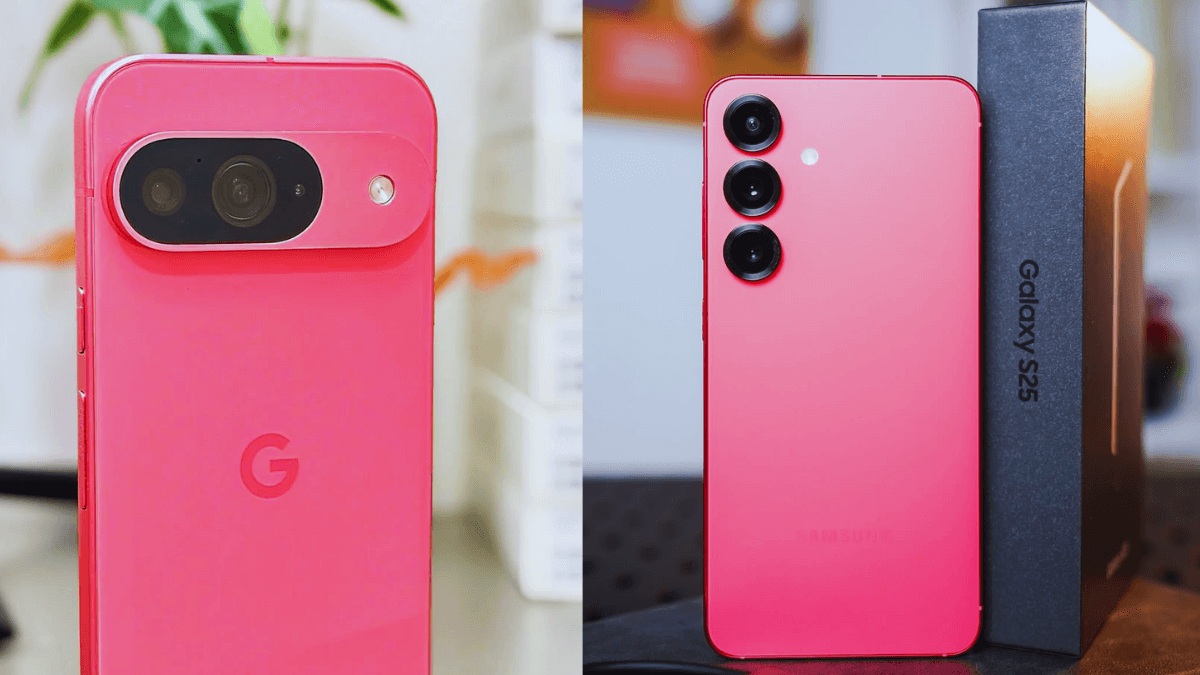
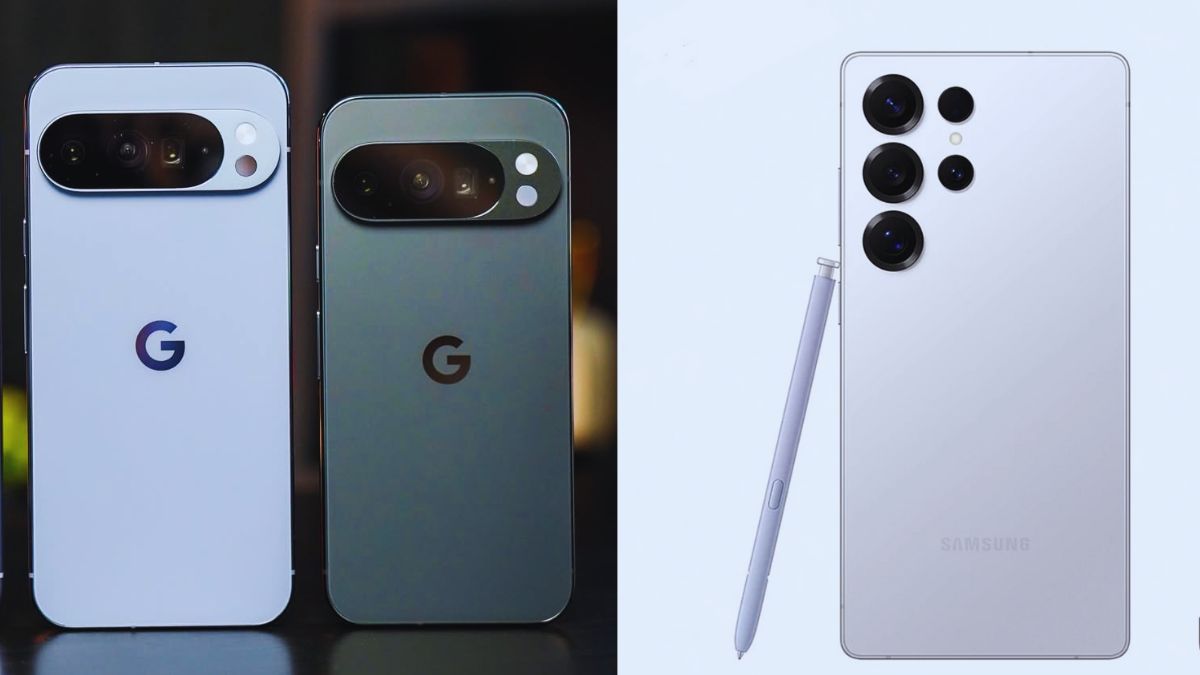
Design of Google Pixel 9 and Galaxy S25 from left to right.

Introduction : Google Pixel vs Samsung Galaxy

The Google Pixel series represents Google’s vision of what an ideal Android smartphone should be—simple, intelligent, and deeply integrated with Google’s software ecosystem. The first Pixel phone was launched in October 2016, marking Google’s move from the Nexus line (which it co-developed with other manufacturers) to building its own fully in-house smartphone hardware. Since then, the Pixel lineup has grown to include models like the Pixel, Pixel Pro, and Pixel Fold, catering to both casual users and tech enthusiasts. Renowned for their exceptional camera performance, powered by Google’s computational photography and AI-driven image processing, Pixel devices have redefined smartphone photography standards. Beyond the camera, Pixel phones are celebrated for their clean Android experience, timely updates, and exclusive AI features like the Google Assistant, Magic Eraser, and Call Screen. With each generation, Google continues to blend sleek design, smart features, and software optimization to create a seamless Android experience that reflects the company’s deep integration of hardware and artificial intelligence.

The Samsung Galaxy series is one of the most iconic and successful smartphone lineups in the world, representing Samsung Electronics’ innovation and dominance in the mobile industry. The Galaxy brand was first introduced in June 2009 with the launch of the Samsung Galaxy GT-I7500, running on the early Android operating system. Over the years, Samsung has expanded the Galaxy family into multiple sub-series, including the Galaxy S (flagship smartphones), Galaxy Note (stylus-equipped productivity devices), Galaxy Z (foldable phones like the Z Fold and Z Flip), and Galaxy A and M series (mid-range and budget options). Known for their cutting-edge AMOLED displays, powerful Exynos and Snapdragon processors, and feature-rich One UI software, Galaxy devices have consistently pushed boundaries in design, performance, and innovation. From introducing curved screens to pioneering foldable phone technology, Samsung’s Galaxy lineup has evolved into a global symbol of Android excellence and premium craftsmanship.

Design and Build Quality: Pixel vs Galaxy

When it comes to design, both Google Pixel and Samsung Galaxy phones look premium, but they approach it differently—especially when you compare materials, size, and ergonomics. Samsung Galaxy phones use sleek metal-and-glass construction with glossy finishes and curved displays. They often feel futuristic and luxurious, with large screens that make a bold impression. The phones are designed to feel solid in the hand, with rounded edges and careful attention to comfort despite their larger size.

Google Pixel phones, on the other hand, focus on simplicity and practicality. They usually have matte or textured finishes that resist fingerprints and feel comfortable to hold. The distinctive camera bar on the back gives them a unique look, while the overall size and shape are designed to fit well in your hand, making them very user-friendly. In short, if you want flashy, luxurious design, the Galaxy stands out. If you prefer a clean, minimalist phone that feels comfortable and practical, the Pixel is the winner.

 Display and Visual Experience

When it comes to display quality, both the Samsung Galaxy and Google Pixel phones offer stunning screens, but they stand out in different ways. The Samsung Galaxy series, like the S24 and newer models, uses Dynamic AMOLED 2X technology, delivering incredibly bright and vibrant displays with deep blacks and rich contrast. With a peak brightness of around 2,600 nits and an adaptive 1–120Hz refresh rate, Galaxy screens look sharp and smooth whether you’re scrolling through apps or watching videos outdoors.

The Google Pixel phones also have impressive displays, using high-quality OLED panels that focus more on color accuracy and natural tones rather than oversaturated colors. Recent Pixel models, like the Pixel 8 and Pixel 9, reach up to 2,000 nits of brightness and support a 120Hz refresh rate, offering a great balance between brightness and smooth performance.

if you love bright, colorful, and eye-catching screens, the Samsung Galaxy takes the win. But if you prefer realistic colors and a softer, more natural viewing experience, the Google Pixel might be the better choice.

Camera Performance: Who Takes the Better Shot?

When we compare image quality, low-light performance, AI processing, and more, the battle between Samsung Galaxy and Google Pixel gets really interesting. Samsung Galaxy flagship models often feature a 200 MP main camera along with ultra-wide and telephoto lenses, capturing incredible detail in well-lit scenes. They also include powerful optical zoom and advanced low-light modes thanks to large sensors and smart image processing. Samsung’s software and AI enhancements help reduce noise and bring out fine details even in tricky lighting conditions.

Google Pixel phones focus on smart software and AI as much as hardware. Recent Pixel models use a 50 MP main camera with features like Super Res Zoom and Night Sight, which improve photos in low light and help with framing and composition. The AI processing ensures images have natural skin tones, reduced noise, and consistent quality, even in challenging conditions. While Galaxy phones excel in resolution and zoom, Pixel phones rely on intelligent computation to make photography simple and reliable.

if you want maximum detail and zoom options, the Galaxy is the winner. If you prefer a phone that takes great photos effortlessly, especially in low light, the Pixel stands out for its smart AI processing.

Performance and Software Experience

When we compare processors, RAM, smoothness, Android updates, and UI between Google Pixel and Samsung Galaxy, both phones deliver strong performance, but in different ways.

On the Pixel side, Google’s newer phones use Tensor-series chips designed for AI and efficiency. Recent Pixel models come with up to 12 GB or 16 GB of RAM, which helps with multitasking and smooth performance. Pixel phones are also known for getting Android updates immediately, so you always have the latest features and security. The Pixel UI is clean and simple, focusing on speed and ease of use.

Samsung Galaxy phones, on the other hand, use top-tier processors like Snapdragon or Exynos and offer high RAM for powerful multitasking. Samsung’s One UI adds many extra features and customization options on top of Android, making the interface rich but sometimes a bit heavier than Pixel’s clean UI. Samsung also provides up to four major Android updates and five years of security updates for its devices, keeping them secure and up-to-date.

 if you want fast, clean software with timely updates, the Pixel is a great choice. If you prefer feature-rich UI, powerful hardware, and flexibility, the Galaxy stands out. Both are excellent, but it depends on whether you like simplicity or extra features.

Battery Life and Charging Speed

When we compare battery life and charging speed between the Google Pixel 9 (and its close siblings) and the Samsung Galaxy S25 (and its siblings), both are strong—but their focus and accessories differ a bit.

On the Pixel side, Google has equipped its phones with large batteries and fast‑charging support. For example, the Pixel supports up to 45 W wired charging with a USB‑C charger, and wireless charging is also included. Google uses USB‑C port for charging and recommends a USB‑C power adapter that supports USB Power Delivery (PD) for best results. The combination of a decent battery size and smart software means you’ll get reliable day‑long use, and the charging setup is straightforward.

On the Galaxy side, Samsung’s S25 series also offers large battery capacities (e.g., up to 5,000 mAh in the Ultra model) and fast‑charging capabilities. The S25 Ultra and S25 Plus support up to 45 W wired charging, while the base S25 model supports around 25 W wired charging. The charging port is USB‑C, and you’ll need a USB‑C charger that supports PPS (Programmable Power Supply) and the right wattage to hit full speed. Samsung’s phones also support wireless charging (around 15 W in the S25 series) and a “reverse wireless charging” feature, which lets you use your phone to charge other devices. One thing to note: many Galaxy phones do not include the wall charger adapter in the box, so you may need to purchase one separately to achieve the maximum speeds.

if you want the fastest possible wired charging and lots of battery power, go with the Galaxy line—but make sure you have the right charger. If you prefer a phone that gives you strong battery life and a solid charging experience with minimal fuss (and you’re okay with slightly less blazing speed), the Pixel is a great choice.

Price & Market Value

When it comes to value, both Google Pixel and Samsung Galaxy offer flagship-level features, but at different price points. The Google Pixel 9 starts in the U.S. at around $799 for the 128 GB model and about $899 for the 256 GB version. For this price, you get Google’s clean software experience, fast updates, strong cameras, and a solid, practical design. It’s a great option if you want a high-quality Android phone without paying for extra premium features.

The Samsung Galaxy S25 starts at $799 for the base 128 GB model, $999 for the Plus version, and $1,299 for the Ultra variant. The higher price gives you more hardware features, including larger displays, advanced cameras, more RAM, and extra software capabilities. If you’re willing to invest more, you get a phone packed with extras and higher-end specs. In short, choose the Pixel for value and simplicity, or the Galaxy if you want premium features and are okay spending more.

Final Verdict

When comparing Google Pixel vs Samsung Galaxy, it’s important to recognise that each brand offers several models across different price ranges. On the Pixel side you’ll find models like the Google Pixel 9, the more premium Google Pixel 10, and mid‑range or “a” variants (such as the Pixel 9a) aimed at value‑conscious buyers. Meanwhile the Galaxy line includes flagship models like the Samsung Galaxy S25, the ultra‑premium Samsung Galaxy S25 Ultra, and also more affordable options in the “A” or mid‑range series. By covering the full spectrum of models from both brands, you get a clearer view of how value, features, and performance vary — and how the choice in the Google Pixel vs Samsung Galaxy debate depends on which model you pick.