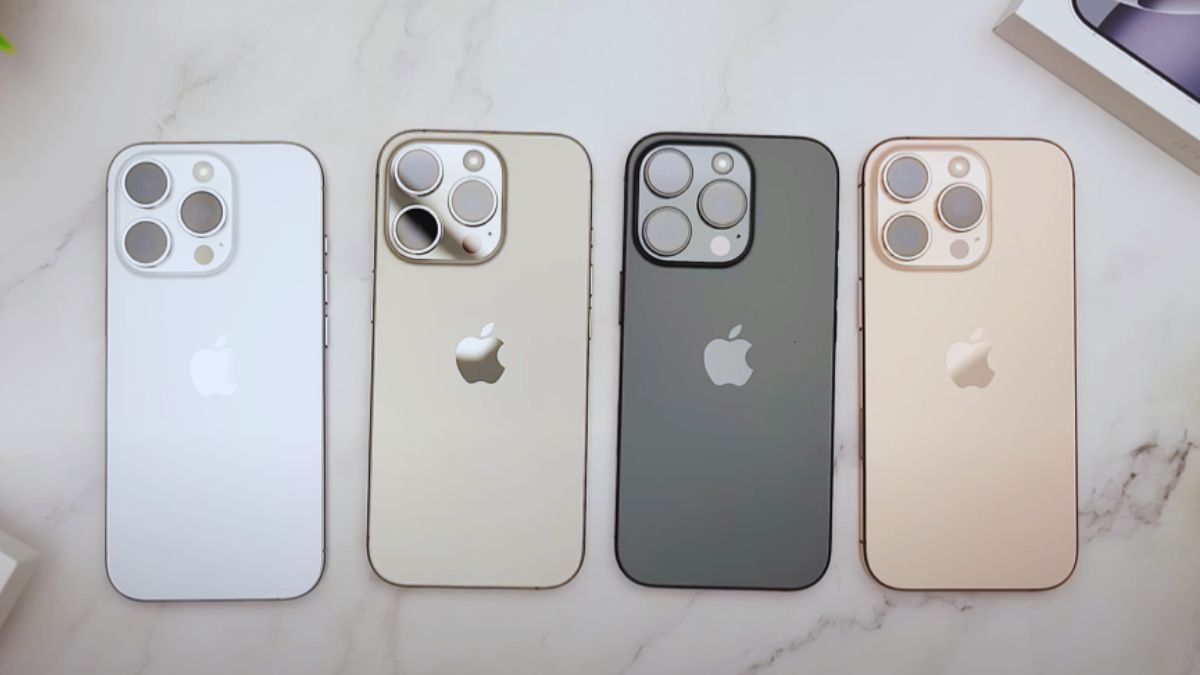
Apple launched the iPhone 17 series on September 9, 2025. This lineup includes the iPhone 17, iPhone 17 Pro, iPhone 17 Pro Max, and the all-new 5.6 mm ultra-thin iPhone Air. The iPhone 17 series is powered by Apple’s A19 chips. The standard iPhone 17 uses the A19 chip, while the iPhone Air, iPhone 17 Pro, and iPhone 17 Pro Max come with the more powerful A19 Pro chip for faster and more efficient performance. In this iPhone 17 series comparison post, I will explain the price, specs, cameras, display, battery, build, design, and more for all the models.
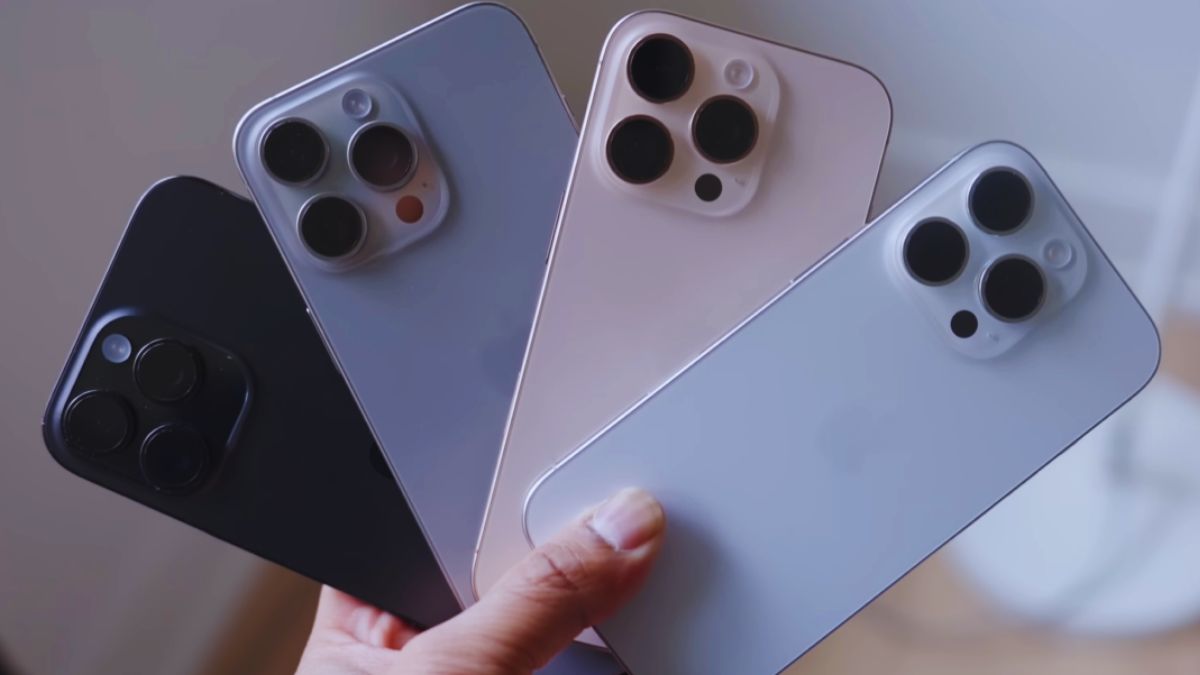
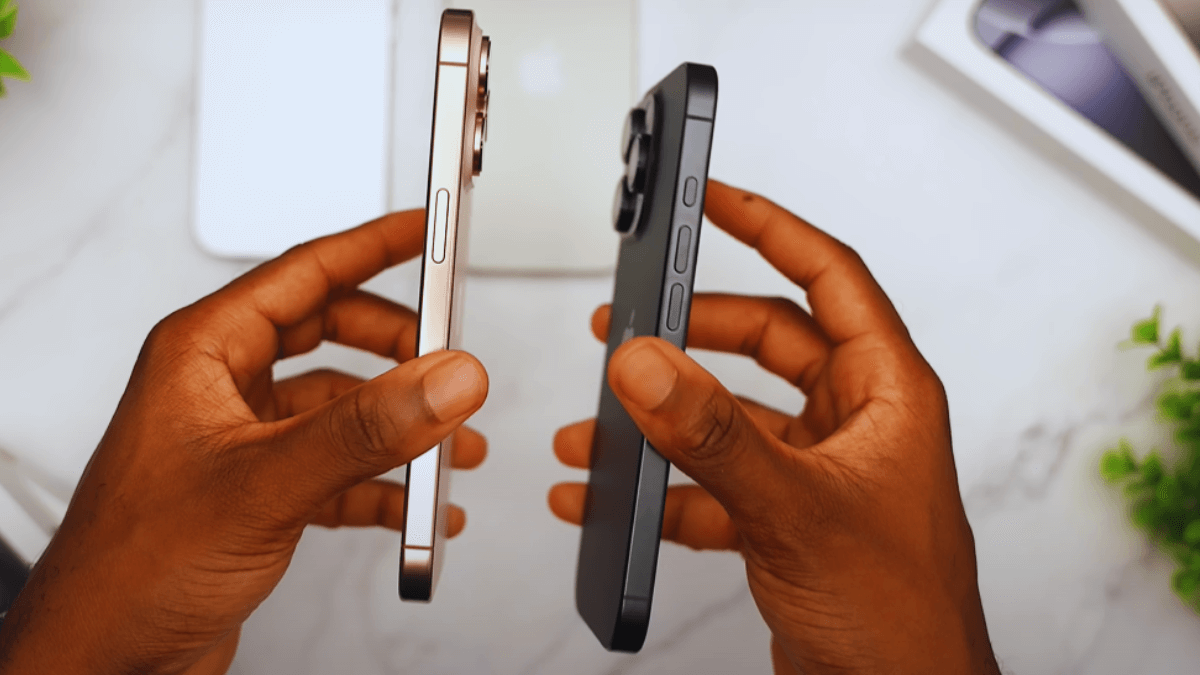
Comparison of all four iPhone 17 series models – iPhone 17 Pro Max, iPhone 17 Pro, iPhone 17, and iPhone Air, from left to right.
Until last year, iPhones started with 128GB of storage. But this year, Apple has upgraded the base storage to 256GB across all models, starting from the standard iPhone 17. The iPhone 17 comes with storage up to 512GB. Both the iPhone Air and iPhone 17 Pro offer storage up to 1TB. The iPhone 17 Pro Max has the highest option with 2TB, which is the first time Apple has introduced this much storage in the iPhone series. The iPhone 17 series has only eSIM in 12 countries around the world.
Price : comparison with 16 series
The prices of the iPhone 17series go up step by step, starting with the iPhone 17, then the iPhone 17 Air, followed by the iPhone 17 Pro, and the highest being the iPhone 17 Pro Max. The iPhone 17 series comes with different prices depending on the model and storage. The iPhone 17 starts at $799 for 256GB and goes up to $999 for 512GB. The iPhone Air is priced at $999 for 256GB, $1,199 for 512GB, and $1,399 for 1TB. The iPhone 17 Pro starts at $1,099 for 256GB, $1,299 for 512GB, and $1,499 for 1TB. The most expensive model is the iPhone 17 Pro Max, which costs $1,199 for 256GB, $1,399 for 512GB, $1,599 for 1TB, and $1,999 for 2TB.
In comparison, last year the iPhone 16 256GB was $899, while this year the iPh256GBone 17 starts at $799, making it $100 cheaper. This year, Apple released the iPhone Air instead of the Plus model, and the 256GB version is priced the same at $999. The price of the iPhone 16 Pro and the iPhone 17 Pro also remains the same, with the 256GB version priced at $1,099. TheiPhone 16 Pro Max and iPhone 17 Pro Max have the same price this year, with the 256GB version costing $1,199. These were the launch prices—be sure to check Apple’s official websitefor the latest prices.
Specifications of iPhone 17 Series
Feature
iPhone 17
iPhone Air
iPhone 17 Pro
iPhone 17 Pro Max
Processor
A19
A19 Pro
A19 Pro
A19 Pro
RAM
8GB
12GB
12GB
12GB
Storage
256GB, 512GB
256GB, 512GB, 1TB
256GB, 512GB, 1TB
256GB, 512GB, 1TB, 2TB
Display
6.3 inches
6.5 inches
6.3 inches
6.9 inches
Resolution
2,622 × 1,206 pixels (460 ppi)
2,736 × 1,260 pixels (460 ppi)
2,622 × 1,206 pixels (460 ppi)
2,868 × 1,320 pixels (460 ppi)
Cameras
48MP + 48MP rear, 18MP front
48MP rear, 18MP front
48MP + 48MP + 48MP rear, 18MP front
48MP + 48MP + 48MP rear, 18MP front
Video
Up to 4K at 60fps
Up to 4K at 60fps
Up to 4K at 120fps
Up to 4K at 120fps
Battery
3,692 mAh
3,149 mAh
4,252 mAh
5,088 mAh
5G
mmWave, sub-6GHz
sub-6GHz
mmWave, sub-6GHz
mmWave, sub-6GHz
Size (H × W × D)
5.89 × 2.81 × 0.31 in
6.15 × 2.94 × 0.22 in
5.91 × 2.83 × 0.34 in
6.43 × 3.07 × 0.34 in
Weight
177 grams (6.24 oz)
165 grams (5.82 oz)
206 grams (7.27 oz)
233 grams (8.22 oz)
Camera : iPhone 17 Series Comparison
The iPhone 17 comes with two rear cameras, while the iPhone Air has a single rear camera. The iPhone 17 Pro and Pro Max both feature three rear cameras on the back.
The iPhone 17 comes with a 48MP Fusion Main camera that also offers a 2x optical-quality telephoto, and a 48MP Fusion Ultra Wide camera that delivers four times more detail than the previous 18MP Ultra Wide. On the front, it has an 18MP Center Stage camera. The iPhone 17 Air keeps things simple with a single 48MP Fusion Main camera, along with the same 18MP front camera.
The iPhone 17 Pro and Pro Max are the most advanced, featuring a triple 48MP system: a Fusion Main camera with 24/48 mm focal length, ƒ/1.78 aperture, and quad-pixel technology; a Fusion Ultra Wide camera with 13 mm focal length, ƒ/2.2 aperture, and quad-pixel design; and a Fusion Telephoto camera with 100/200 mm focal length, ƒ/2.8 aperture, and quad-pixel technology. Both Pro models also include the 18MP front camera, giving pro-level results down to every pixel.
Display : Better scratch-resistant
The iPhone 17 and iPhone 17 Pro are the same size, while the iPhone Air and iPhone 17 Pro Max are larger than the standard model. All iPhone 17 models have Ceramic Shield 2 glass, which is 3× more scratch-resistant than any other smartphone.
The iPhone 17 features a 6.3-inch Super Retina XDR display with ProMotion up to 120Hz and up to 2.1x faster GPU performance. The iPhone 17 Air has a slightly larger 6.5-inch Super Retina XDR display with 120Hz ProMotion. The iPhone 17 Pro also comes with a 6.3-inch Super Retina XDR display and 120Hz ProMotion. The largest display is on the iPhone 17 Pro Max, which has a 6.9-inch Super Retina XDR display with 120Hz ProMotion.
Battery: Long-lasting performance
The iPhone 17 series comes with different battery sizes and performance. The iPhone 17 has a 3,692 mAh battery, giving up to 30 hours of video playback, and it can charge up to 50% in 20 minutes with a 40W or higher power adapter. The iPhone Air has a 3,149 mAh battery with up to 27 hours of video playback and can reach 50% charge in 30 minutes. The iPhone 17 Pro has a 4,252 mAh battery, offering up to 33 hours of video playback and 50% charge in 20 minutes with a high‑wattage adapter. The largest battery is in the iPhone 17 Pro Max, with 5,088 mAh, up to 39 hours of video playback, and 50% charge in just 20 minutes using a high‑wattage power adapter.
Build and design of iPhone 17 series
The iPhone 17 series comes in different sizes. The iPhone 17 measures 149.6 × 71.5 × 7.95 mm, the iPhone Air is 156.2 × 74.7 × 5.64 mm, the iPhone 17 Pro is 150.0 × 71.9 × 8.75 mm, and the iPhone 17 Pro Max is the largest at 163.4 × 78.0 × 8.75 mm. All models use a USB‑C charger and have a front made of Ceramic Shield 2 glass, which is three times more scratch-resistant than before. The iPhone 17 and iPhone Air have glass backs with anodized aluminum frames. The iPhone 17 Pro has a textured matte glass back with a stainless steel frame, while the iPhone 17 Pro Max also has a stainless steel frame.
The iPhone 17 series comes in different weights. The iPhone 17 weighs 177 grams, and the iPhone Air is the lightest at 165 grams. The iPhone 17 Pro is heavier at 206 grams, while the iPhone 17 Pro Max is the heaviest, weighing 233 grams.
Conclusion
Thank you for reading this iPhone 17 Series Comparison. We hope it helped you understand the differences between all the models so you can make the best choice for your needs. Whether you want a compact phone, a lightweight model, or the most powerful iPhone with maximum storage, this comparison makes it easy to pick the right one.
On September 9, 2025, Apple launched the iPhone 17 series and revealed its thinnest and the lightest iPhone ever — the iPhone Air. Apple always introduces a Plus model in the series every year, but this year Apple introduced the new ultra-thin iPhone Air, along with iPhone 17, iPhone 17 Pro, and iPhone 17 Pro Max in 17 series. Plus, Apple also changed the Pro and Pro Max designs for the first time, which might surprise you.
If you’re looking for a detailed iPhone 17 Review, the good news is that storage has doubled to 256GB in the standard model. and all models now have a bigger, brighter display with ProMotion up to a 120Hz refresh rate. The standard and Pro models feature the new A19 chip, so performance is very high, and the design, display, camera, and other features are better than ever before.
In this post, I will discuss the iPhone 17 model in detail, including its display, dimensions, camera features, battery, AI features, performance, price, and other features, one by one. First of all, let’s take a look at the topics I will cover about the iPhone 17.
First of all, let’s see the highlights of the iPhone 17 :
The iPhone 17 features a bright 6.3-inch Super Retina XDR display, 120Hz ProMotion, improved battery life, and 3x better scratch resistance.
A19 Chip
6.3-inch Super Retina XDR Display
18MP Center Stage Front Camera
120Hz ProMotion display
Better scratch resistance glass
Improved battery life
Brightness up to 3000 nits
iPhone 17
The iPhone 17 is Apple’s most affordable phone, with a 6.3-inch screen and a price of $799. It comes with 256GB storage, double the starting storage of the previous model. The front has Ceramic Shield 2 glass, which is tougher than any smartphone glass and offers 3x better scratch resistance. The A19 chip powers everything you do on the iPhone, including Apple Intelligence features like Live Translation and Image Playground, and ProMotion with a 120Hz refresh rate for playing advanced AAA ( high-quality ) video games. The design remains the same and is available in five different colors :
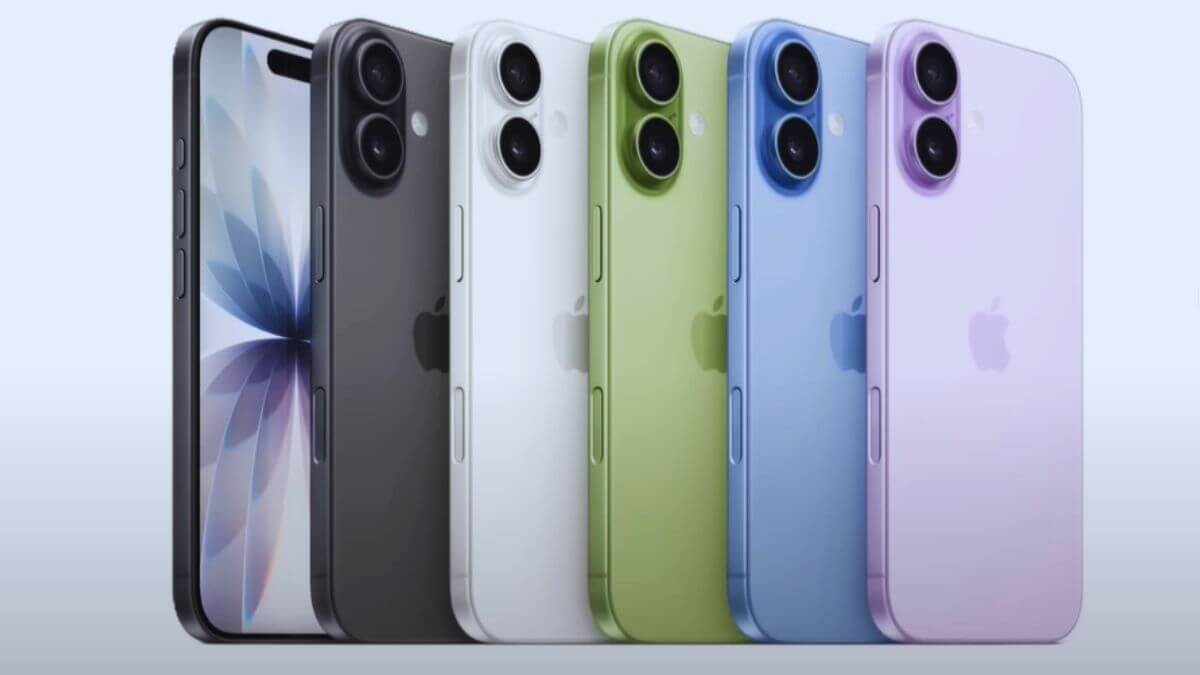
From left to right, the iPhone 17 is available in five colors: Black, White, Sage, Mist Blue, and Lavender.
Black,
white,
Mist Blue,
Sage,
Lavender
iPhone 17 Specifications
Operating System : iOS 19 Chipset : A19 chip GPU : Apple GPU ( 5 core GPU with Neural Accelerator ) Screen : 6.3 inch Super Retina XDR display with 120Hz refresh rate RAM : 8 GB Storage : 256 GB , 512 GB Camera : 48MP main, 48MP Ultra Wide, 18MP Front Camera Dimensions : 5.89 × 2.81 × 0.31 inch (149.6 × 71.5 × 7.95 mm ) Connectivity : 5G, Wi‑Fi 6E, Bluetooth 5.3, USB‑C charging Weight : 177 gram ( 6.24 ounces )
iPhone 17 Camera
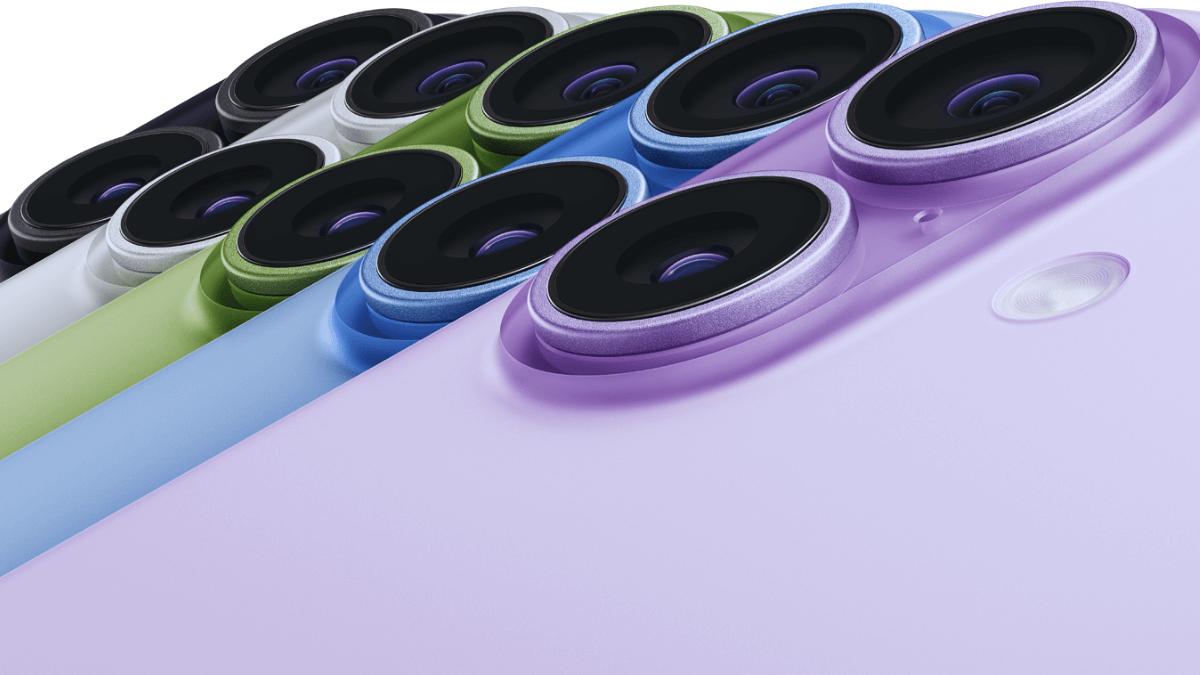
iPhone 17 review: The iPhone 17 features a 48MP main camera, a 48MP ultra-wide camera, and an 18MP selfie camera. Image courtesy of Apple Inc.
The iPhone 17 features an impressive camera setup with a 48MP Fusion Main camera, a 48MP Fusion Ultra Wide camera, and an 18MP Center Stage front camera. The main camera includes 0.5×, 1×, and 2× optical zoom options, while The Ultra Wide camera gives 4× more resolution for sharper, more detailed photos. Like the previous model, Camera Control Button lets you quickly take photos, record videos, adjust settings, and more, so you never miss a moment. This Phone also supports macro photography, spatial photos, and cinematic mode. You can record macro videos, as well as slo-mo and time-lapse videos. Slo-mo videos are supported up to 1080p at 240 fps, making it easy to capture every detail.
Display
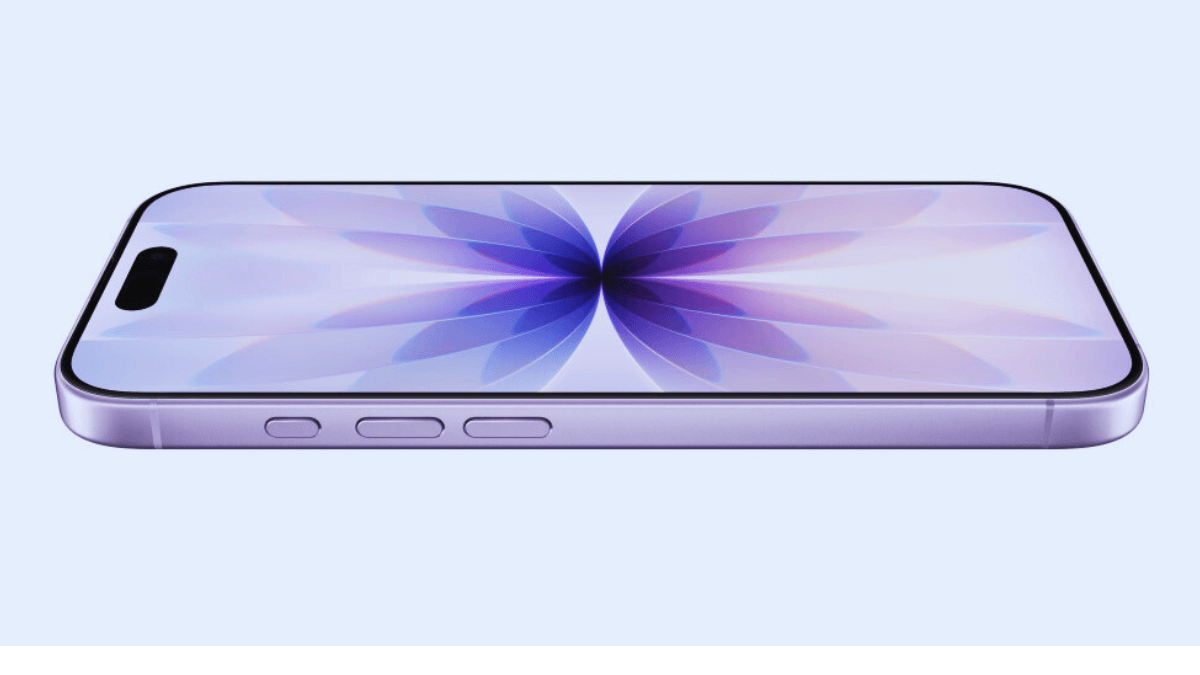
iPhone 17 Review: The iPhone 17 features a Super Retina XDR display with 3000 nit brightness showing vibrant colors. Image courtesy of Apple Inc.
The iPhone 17 has a 6.3-inch Super Retina XDR display that makes scrolling smooth and gaming immersive with ProMotion and a 120Hz refresh rate. This phone features a Ceramic Shield 2 front display, which is stronger than any other smartphone glass and offers 3× better scratch resistance. It also improves brightness from 2000 nits to 3000 nits, providing clear and vibrant visuals even in bright sunlight.
Battery
The iPhone 17 comes with a 3,692 mAh battery that offers all-day battery life, letting you work, watch, and explore without worries. It supports up to 30 hours of video playback and fast charging, reaching 50% in just 20 minutes with a 40W or higher adapter using the USB-C connector. A quick 10-minute charge can give you up to 8 hours of video playback. The phone also supports MagSafe wireless charging up to 25W and is compatible with USB 2 speeds (up to 480 Mb/s). Combined with the powerful A19 chip, the iPhone 17 delivers advanced performance and long-lasting battery life.
Build & Design
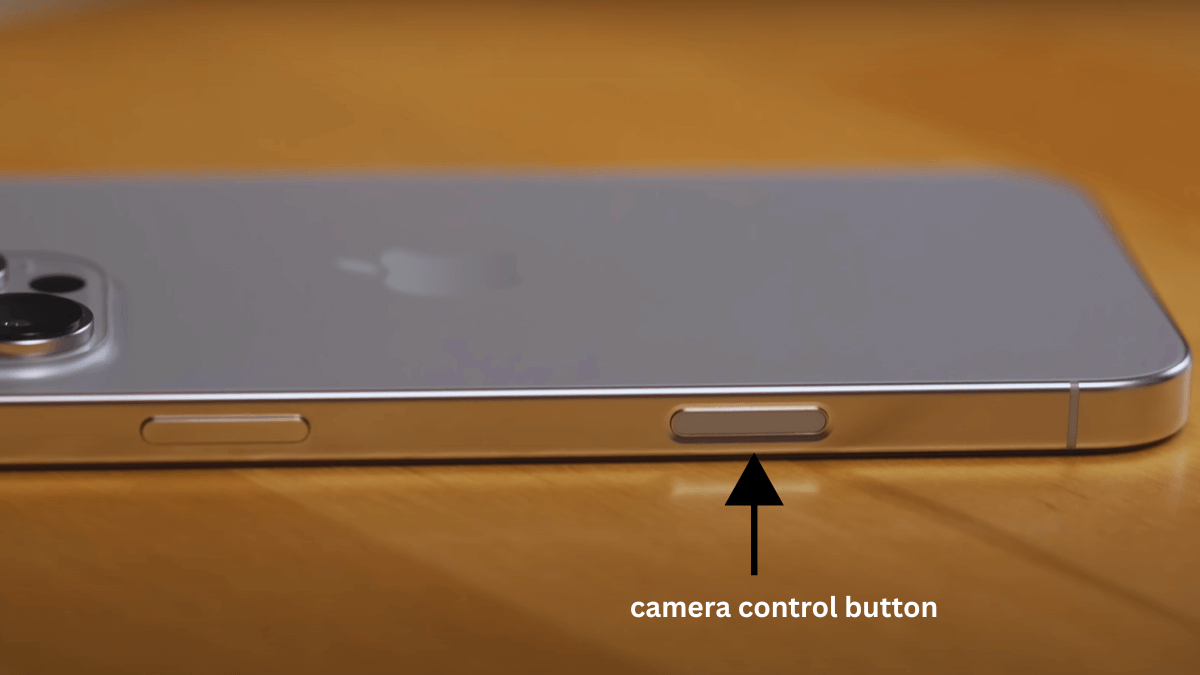
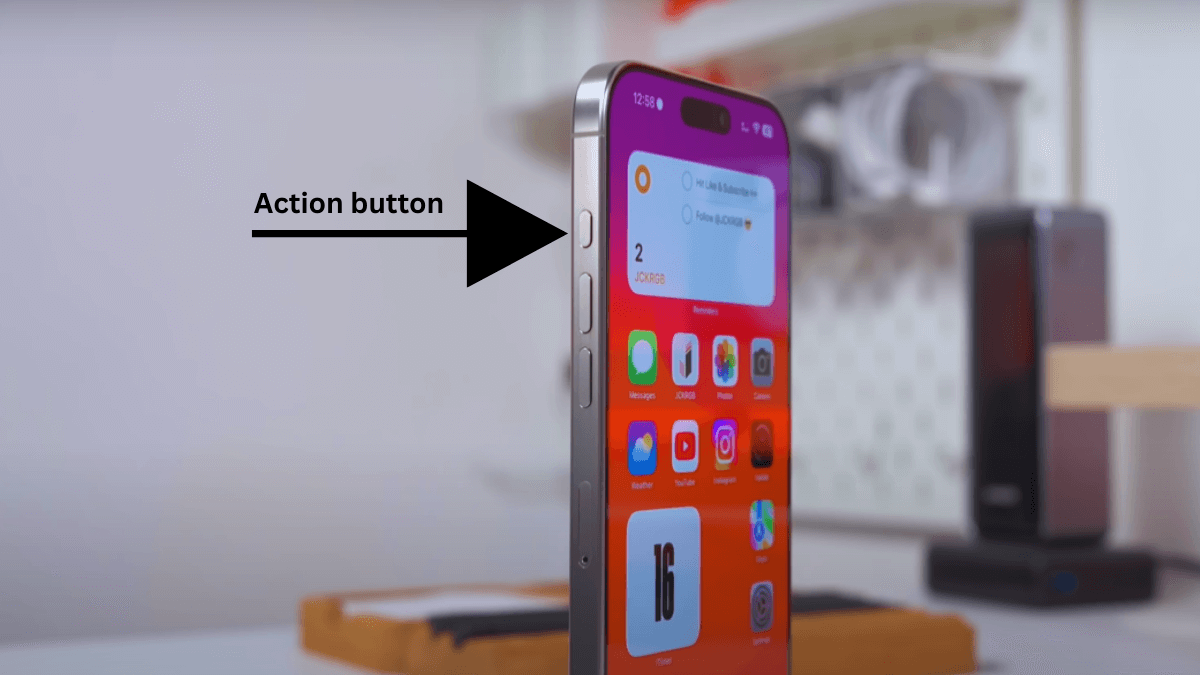
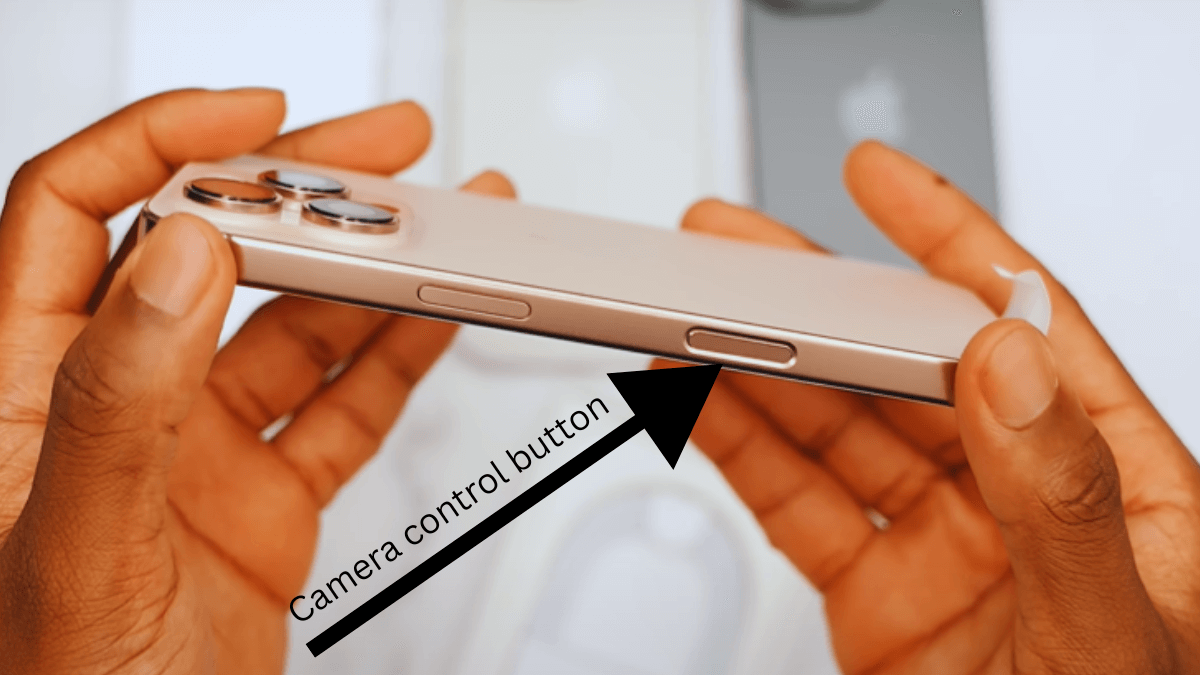
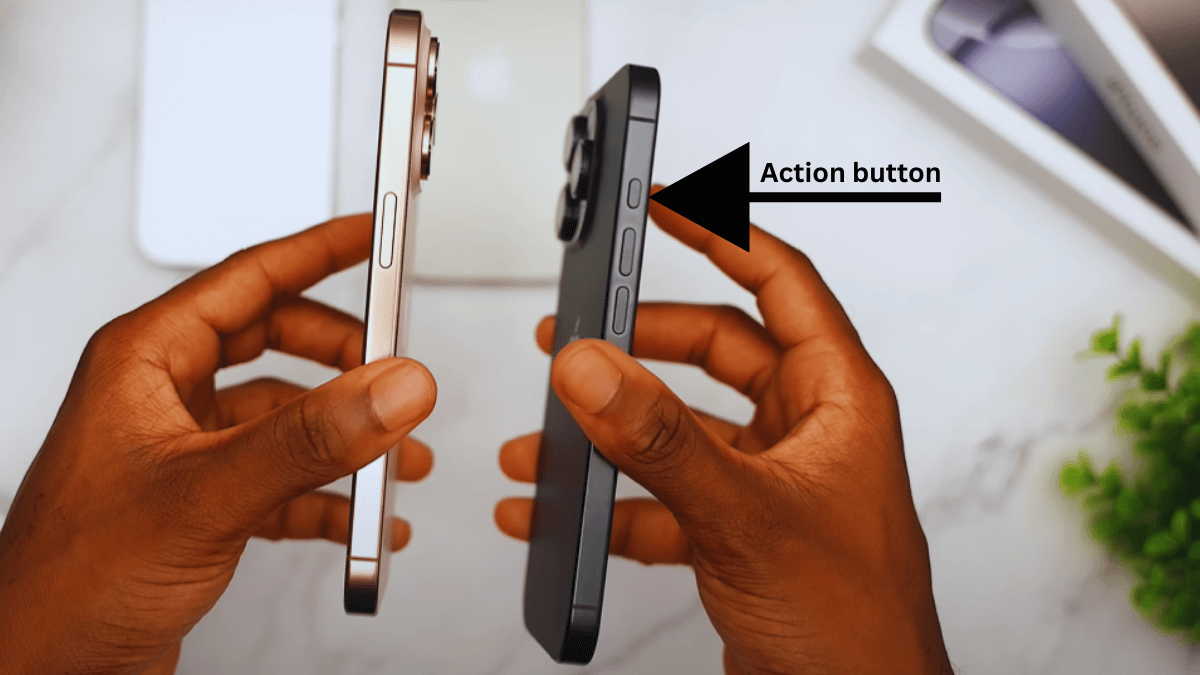
The iPhone 17 features a Ceramic Shield 2 front display with an anodized aluminum frame and a glass back, giving it a sleek and durable design. The Camera Control button on the right side quickly opens the camera, letting you take photos or videos instantly. It also has the same customizable Action button as previous models, which you can long-press to access features like Silent mode, Translation, Shortcuts, and more.
The Volume Up and Volume Down buttonsare on the left, while the power button is on the right. At the bottom edge, there’s a USB-C charging port between the speaker grilles. The iPhone 17 offers stereo sound with speakers at the bottom and in the top front earpiece. Multiple microphones are placed near the bottom, back, and front camera for calls, voice recording, and noise cancellation. And Dynamic Island shows Live Activities, alerts, and other notifications, enhancing the overall user experience.
The iPhone 17 uses eSIM in 12 countries around the world, including the United States, U.S. Virgin Islands, Canada, Guam, Japan, Mexico, Saudi Arabia, United Arab Emirates, Bahrain, Kuwait, Oman, and Qatar.
iPhone 17 Price
The iPhone 17 comes in two storage options. The 256GB model costs $799 and the 512GB model costs $999, according to Apple’s official site. Prices may vary depending on your country or location, so it’s always best to check Apple’s official site for the latest price.
Last year, the standard iPhone 16 started at $799 for the 128GB model, $899 for the 256GB model, and $1,099 for the 512GB model. This year, the iPhone 17 also starts at $799, but the storage is double compared to before, and the 512GB model is only $200 more, which is great for iPhone users.
Let’s compare the iPhone 17 price to older models :
For comparison, the iPhone 17 at $799 (256GB) is $100 more expensive than the iPhone 16e at $699 (256GB).
For comparison, the iPhone 17 at $799 (256GB) is $100 cheaper than the iPhone 16 at $899 (256GB).
For comparison, the iPhone 17 at $799 (256GB) is $300 cheaper than the iPhone 16 Pro at $1,099 (256GB).
For comparison, the iPhone 17 at $799 (256GB) is $400 cheaper than the iPhone 16 Pro Max at $1,199 (256GB).
iPhone 16 vs iPhone 17
The iPhone 16 uses the Apple A18 chip, while the iPhone 17 is powered by the newer A19 chip.
The iPhone 16 has a 6.1-inch standard OLED display with a 60Hz refresh rate, while the iPhone 17 features a slightly larger 6.3-inch OLED display with smooth ProMotion 120Hz refresh rate.
The iPhone 16 offers up to 2,000 nits of outdoor brightness, while the iPhone 17 reaches up to 3,000 nits peak outdoor brightness.
The iPhone 16 has a first-generation Ceramic Shield with standard scratch resistance, while the iPhone 17 uses Ceramic Shield 2 with 3× better scratch resistance than any smartphone.
The iPhone 16 starts at 128GB in the standard model, while the iPhone 17’s base model now starts at 256GB, double the previous storage.
The iPhone 16 has a 48MP main camera and a 12MP ultra-wide camera, while the iPhone 17 features a 48MP main camera with an upgraded 48MP ultra-wide camera.
The iPhone 16 has a 12MP front camera, while the iPhone 17 upgrades to an 18MP Center Stage front camera with wider coverage and improved selfie and video features.
The iPhone 16 has a 3,561 mAh battery with up to ~22 hours of video playback, while the iPhone 17 features a 3,692 mAh battery with up to 30 hours of video playback.
The iPhone 16 weighs 170 grams, while the iPhone 17 is slightly heavier at 177 grams.
The iPhone 16 runs on iOS 18, while the iPhone 17 comes with iOS 26.
The iPhone 16 supports eSIM plus physical SIM in all countries, while the iPhone 17 uses eSIM only in 12 countries.
The iPhone 16 has dimensions of 147.6 × 71.6 × 7.8 mm, while the iPhone 17’s dimensions are slightly larger at 149.6 × 71.5 × 7.95 mm.
The iPhone 16 costs $899 for the 256GB model, while the iPhone 17 at $799 (256GB) is $100 cheaper.
Conclusion
Thank you for reading our iPhone 17 Review post. We have discussed the specs, features, price, performance, and comparison with the previous model. The iPhone 17 series brings exciting upgrades in design, display, performance, and storage, along with the surprise addition of the ultra-thin iPhone Air. This year, the standard model comes with a 120Hz refresh rate, a brighter display of up to 3000 nits, double the storage compared to last year, and 3x scratch-resistant glass powered by the A19 chip for outstanding performance. With all these improvements, the iPhone 17 can satisfy you better than last year’s model. I hope you can make a better choice this year.
The Google Pixel 10 Pro, released on August 28, 2025, is a powerful and stylish smartphone designed for a premium experience. It is powered by the super-fast Google Tensor G5 (3 nm) chip and runs on Android 16, ensuring smooth performance for apps, gaming, and multitasking.
The phone features a triple camera system with a 50MP main camera, 48MP ultra-wide lens, and 48MP telephoto lens, plus an impressive 42MP front camera for selfies. The 6.3-inch display is protected by Gorilla Glass Victus 2, offering vibrant colors and durability. The Pixel 10 Pro starts at $999 for the 128GB model, making it a strong contender in the premium smartphone market.
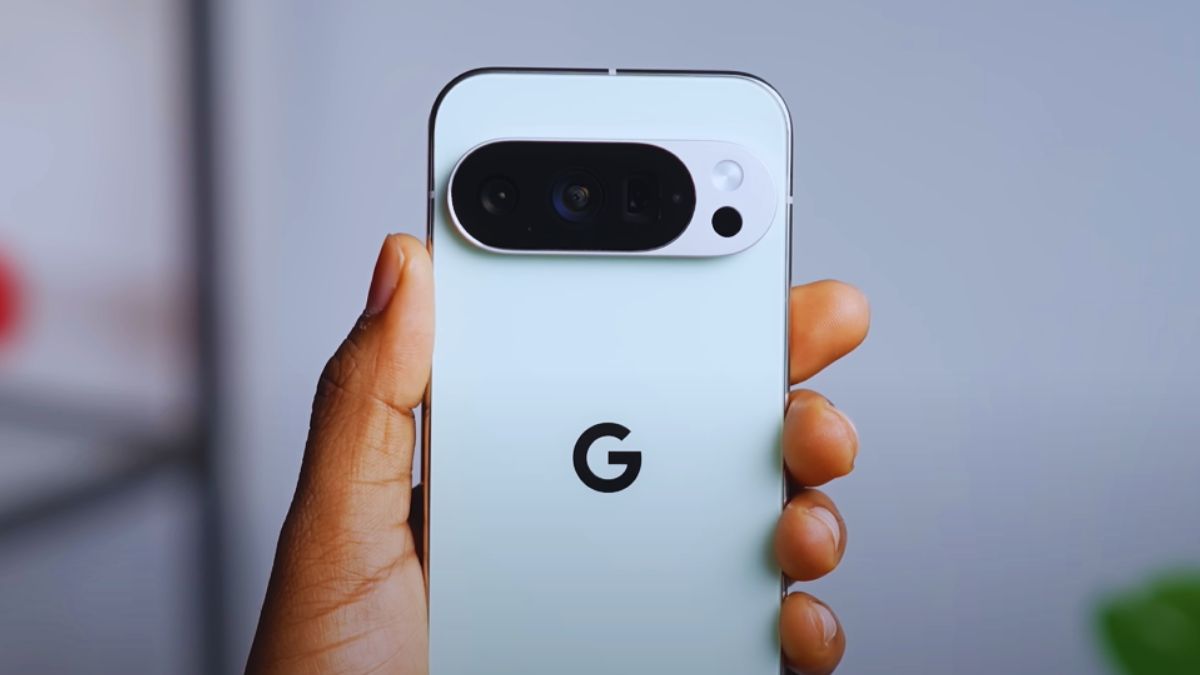
Sleek, stylish, and powerful – the Google Pixel 10 Pro with the super-fast Google Tensor G5 chip
Let’s take a closer look at the Google Pixel 10 Pro :
Google Pixel 10 Pro Specifications
The Google Pixel 10 Pro is a powerful smartphone packed with features. It’s powered by the Tensor G5 chip, comes with a 6.3-inch Actua display, and 16GB of RAM for smooth performance. The triple camera system offers up to 100x zoom for stunning photos, while the 4870 mAh battery keeps the phone running all day.
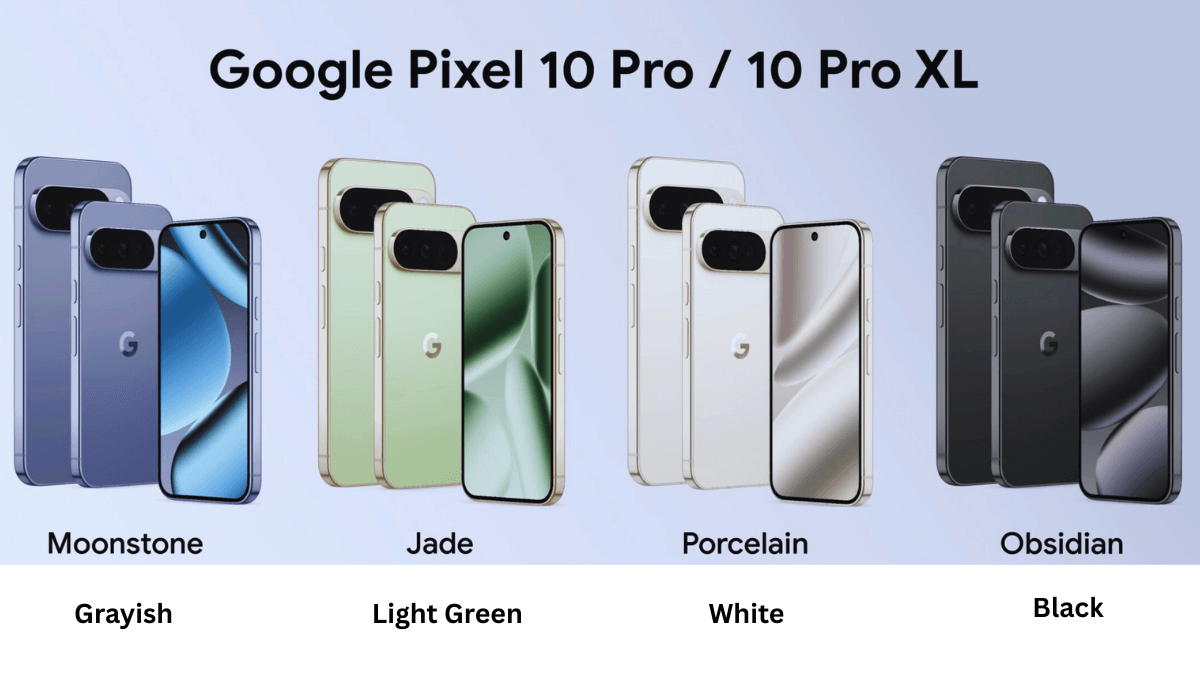
This Phone comes in 4 different colors :
Moonstone ( Grayish )
Jade ( Light Green )
Porcelain ( White )
Obsidian ( Black )
The full specifications and must-know details of this phone are listed in the table below:
48MP, f/2.8, 22° FOV, 1/2.55″ sensor, Quad Pixel PDAF, OIS, 5× optical zoom, up to 100× Pro Res Zoom
Features
Multi-zone Laser AF, LED flash, Pixel Shift, Ultra-HDR, panorama, Best Take, Zoom Enhance
Video
up to 8K@30fps, 4K@24/30/60fps, 1080p@24/30/60/120/240fps
Selfie camera
Front camera
42 MP, f/2.2, 17mm (ultrawide), PDAF
Features
HDR, panorama
Video
4K@30/60fps, 1080p@30/60fps
Battery
Battery
4870 mAh
Charging
30W wired ( 55% in 30 min ), 15W wireless (magnetic), Qi2, Reverse wired ,Bypass charging
Others
Connectivity
5G, Wi-Fi 7 (802.11be), NFC, Bluetooth 6.0, USB-C, Satellite, Thread
Sound
Loudspeaker ( with stereo speakers )
Colors
Moonstone ( Grayish ), Jade ( Light Green ), Porcelain ( White ), Obsidian ( Black )
Price
$999 (128GB), $1,099 (256GB), or $1,219 (512GB)
Display of Pixel 10 Pro
Pixel 10 Pro 6.3-inch screen with 120Hz refresh rate and Gorilla Glass Victus 2 protection
The Pixel 10 Pro features a 6.3-inch Super Actua Display with a sharp 2856 × 1280-pixel resolution at 495 ppi, delivering vibrant and crisp visuals. It supports a dynamic 1Hz to 120Hz refresh rate for smooth scrolling and animations, along with a brightness range of 2200 to 3300 nits for clear viewing even in bright sunlight.
Build & Design
Design of Pixel 10 Pro with aluminum frame
The Pixel 10 Pro has a back glass made from Gorilla Glass Victus 2 and a frame made from aluminum. This phone is IP6 dust-resistant and IP8 water-resistant, so it can stay submerged in up to 1.5 meters of water for 30 minutes.
The Google Pixel 10 Pro comes with a USB-C charging port at the bottom, with the speaker on the right side and the microphone on the left. In the U.S. model, there’s no SIM tray because it supports e-SIM only, and you won’t find a microSD card slot or a 3.5mm headphone jack.
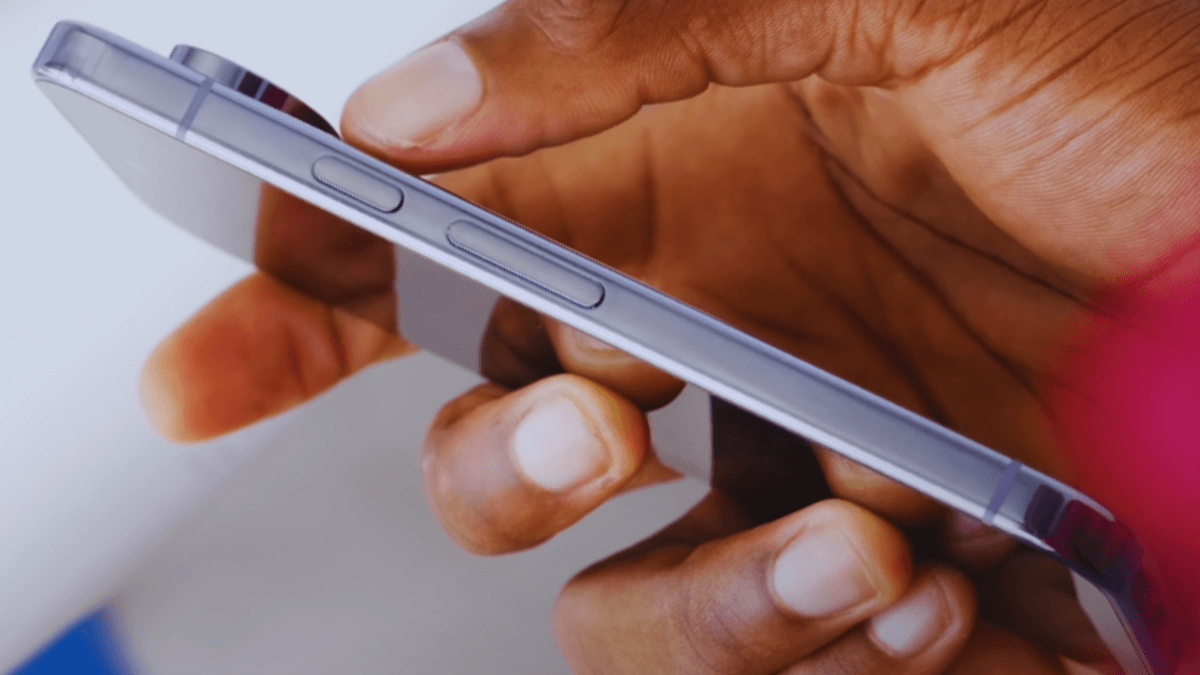
On the right side of the phone, you’ll find the power and volume buttons. For security, the Pixel 10 Pro offers both an under-display fingerprint sensor and facial recognition.
Battery & Charging
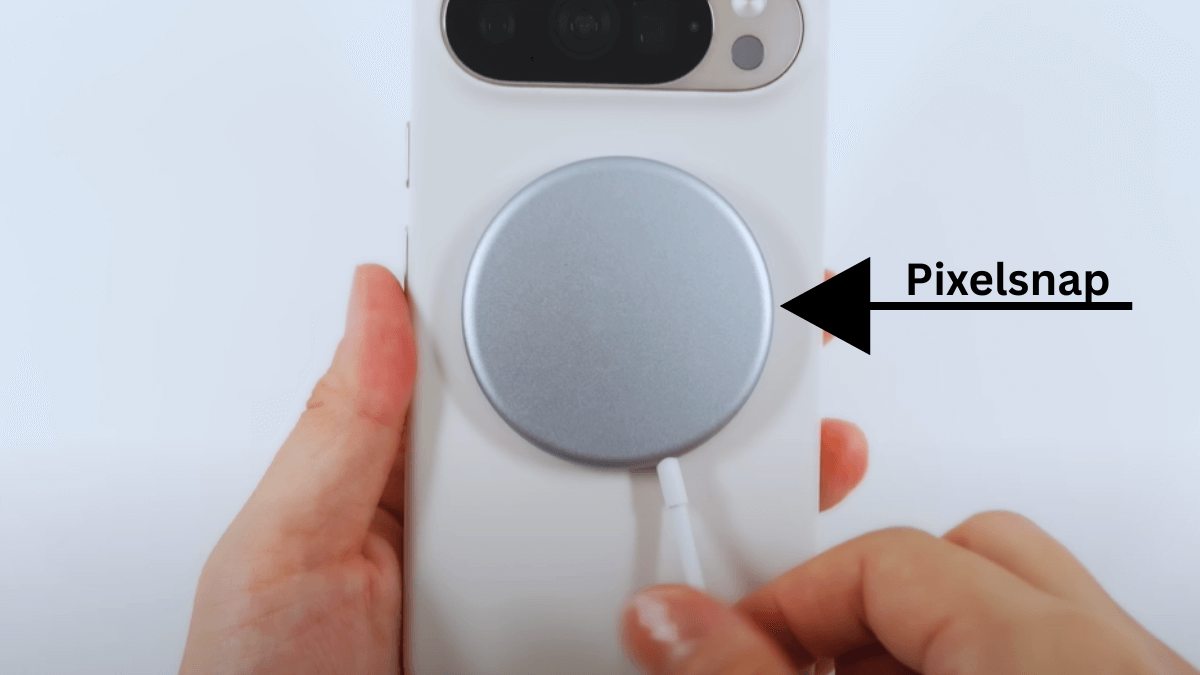
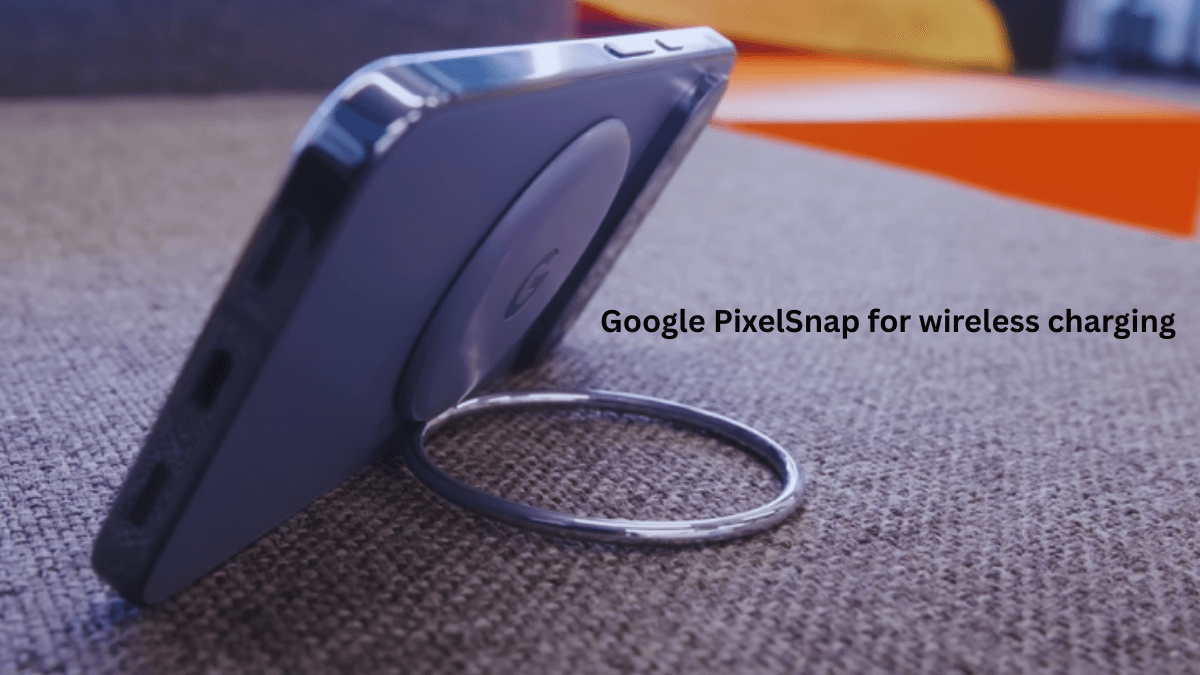
charging pixel 10 pro with Pixelsnap ( Qi2-certified wireless charger )
The Google Pixel 10 Pro is powered by a 4870 mAh battery that easily lasts all day. It supports 30W wired charging, allowing it to reach up to 55% in just 30 minutes, as well as 15W wireless charging with magnetic support and Qi2 charging.
It also offers reverse wired charging for powering other devices. A smart feature called bypass charging sends power directly to the phone when you’re gaming or using heavy apps, instead of the battery.
This helps keep the phone cooler, reduces battery wear, and makes long gaming sessions smoother without overheating.
Google Pixel 10 Pro Camera
Experience pro-level photography with the Pixel 10 Pro’s triple camera system: Main, Ultra-Wide, and Telephoto lenses.
The Pixel 10 Pro comes with a triple camera setup that makes photography easy and powerful. Its main camera is 50 MP and supports up to 20× digital zoom. The ultra-wide camera is 48 MP and also supports up to 20× digital zoom, perfect for capturing landscapes or large group photos. The telephoto camera is 48 MP with 5× optical zoom, and it can combine digital zoom with AI to reach 100× using Pro Res Zoom—this feature can be added through the Camera app.
The Google Pixel 10 Pro Camera also includes Multi-zone Laser AF, LED flash, Pixel Shift, Ultra-HDR, panorama, Best Take, and Zoom Enhance.
For videos, the rear cameras support up to 8K at 30fps, 4K at 24/30/60fps, and 1080p at 24/30/60/120/240fps.
On the front, The selfie camera has a 42 MP sensor and supports video recording at 4K (30/60 fps) and 1080p (30/60 fps), with features like HDR and panorama.
Overall, the Pixel 10 Pro is designed to capture high-quality photos and videos easily, whether you are zooming in, taking selfies, or filming.
AI Photography Assistant
The Camera Coach on the Pixel 10 Pro is an AI-powered feature designed to help you take better photos by providing real-time guidance on framing, lighting, and composition. Utilizing Google’s Gemini AI models, Camera Coach analyzes your scene and offers tailored suggestions to enhance your photography skills.
You can use Camera Coach by following these steps:
Open the Camera App: Launch the Camera app on your Pixel 10 Pro.
Activate Camera Coach: Tap the camera and star icon located in the upper right corner of the screen.
Follow the Tips: Camera Coach will analyze your scene and provide step-by-step advice on how to improve your shot.
Google Photos now uses Gemini AI for editing. Instead of switching between different tools, you can simply describe what you want, and Google will do it for you.
Google Pixel 10 Pro Features
Magic Cue
Magic Cue is one of the Google Pixel 10 Pro features that gives helpful suggestions based on what you’re doing on your phone. For example, if you’re talking about a restaurant, it might suggest opening Google Maps or sharing the location. It works on apps like Messages, Gmail, and Calendar. Magic Cue runs on your phone, keeping your data private, and you can turn it on or off from Magic Cue from Settings.
Voice Translate
Voice Translate is an innovative Google Pixel 10 Pro feature that enables real-time phone call translations while preserving the natural tone and voice of each speaker. Powered by the Tensor G5 chip, this on-device AI technology makes communication across language barriers seamless and natural.
Its key features are:
Real-Time Translation: During a call, Voice Translate listens to your speech, translates it into the recipient’s language, and delivers it in a voice that closely resembles yours. Similarly, you hear the other person’s voice translated into your language.
Supported Languages: Currently, Voice Translate supports translations between English and several languages, including Spanish, French, German, Japanese, Hindi, Italian, Portuguese, Russian, and Swedish. Additional languages may be added in future updates.
Privacy and Security: All translations are processed locally on your device, ensuring that no audio or transcription data is sent to Google servers. This approach maintains user privacy and works even offline.
Ease of Use: To activate Voice Translate, open the Phone app, navigate to Settings > Call Assist, and enable Voice Translate. During a call, tap the “Call Assist” button and select “Voice Translate” to initiate the feature.
Gemini Live
Gemini Live is a smart Google Pixel 10 Pro feature that uses AI to help you in real time. It is designed to facilitate natural, hands-free conversations. Leveraging the power of the Tensor G5 chip and the Gemini Nano model, Gemini Live offers real-time assistance by analyzing your environment through your phone’s camera and screen. This enables the assistant to provide context-aware information and suggestions, enhancing user interaction.
Its key features are:
Real-Time Visual Interaction: Engage in dynamic conversations by sharing your camera or screen, allowing Gemini Live to respond to what you see. This feature is particularly useful for tasks like identifying landmarks, translating text, or providing information about objects in your surroundings.
Seamless Integration with Google Apps: Gemini Live is integrated with various Google applications, including Calendar, Keep, Tasks, and Google Maps. With your permission, it can assist in updating your calendar, creating to-do lists, or suggesting nearby coffee shops, streamlining your daily tasks.
Offline Functionality: Thanks to the on-device processing capabilities of the Tensor G5 chip, Gemini Live can operate without an internet connection, providing assistance even when you’re offline.
Multi-Device Support: Beyond the Pixel 10 Pro, Gemini Live extends its functionality to other devices, including Pixel Watches and Pixel Buds, allowing for a consistent and integrated AI experience across your devices.
Google Pixel 10 Pro Price
According to the official Google Pixel site, the 128GB model starts at $999, the 256GB model starts at $1,099, and the 512GB model starts at $1,219. The price can vary depending on your storage selection and location, so it’s always best to check the latest updated price on the official site.
For comparison, the Pixel 10 at $799 (128GB) is $200 cheaper than the Pixel 10 Pro at $999 (128GB).
For comparison, the Pixel 10 Pro XL at $1,199 (256GB) is $200 more expensive than the Pixel 10 Pro at $999 (128GB).
For comparison, the Pixel 10 Pro Fold at $1,799 (256GB) is $800 more expensive than the Pixel 10 Pro at $999 (128GB).
For comparison, the Pixel 9a at $499 is $500 cheaper than the Pixel 10 Pro at $999 (128GB).
For comparison, the Pixel 9 at $799 (128GB) is $200 cheaper than the Pixel 10 Pro at $999 (128GB).
Pixel 10 Pro vs iPhone Models
For comparison, the iPhone 16e at $599 (128GB) is $400 cheaper than the Pixel 10 Pro at $999 (128GB).
For comparison, the iPhone 16 at $799 (128GB) is $200 cheaper than the Pixel 10 Pro at $999 (128GB).
For comparison, the iPhone 16 Pro at $999 (128GB) is the same price as the Pixel 10 Pro at $999 (128GB).
For comparison, the iPhone 16 Pro Max at $1,199 (256GB) is $200 more expensive than the Pixel 10 Pro at $999 (128GB).
Pixel 10 Pro vs Samsung Galaxy Models
For comparison, the Galaxy S25 at $799 (128GB) is $200 cheaper than the Pixel 10 Pro at $999 (128GB).
For comparison, the Galaxy S25 Ultra at $1,299 (256GB) is $300 more expensive than the Pixel 10 Pro at $999 (128GB).
For comparison, the Galaxy Z Flip 7 at $1,099 (256GB) is $100 more expensive than the Pixel 10 Pro at $999 (128GB).
For comparison, the Galaxy Z Fold 7 at $1,799 (256GB) is $800 more expensive than the Pixel 10 Pro at $999 (128GB).
I compared the base storage prices, but prices may vary depending on storage options and location, so check the official website for the latest information.
Pros and Cons ofGoogle Pixel 10 Pro
Pros
Impressive camera The Google Pixel 10 Pro features a powerful camera setup—50 MP main, 48 MP ultra-wide and telephoto, 42 MP selfie camera with 100× Pro Res Zoom and smart AI enhancements.
High-Performance Tensor G5 Chip
The latest Google Tensor G5 processor delivers faster performance and better AI capabilities, ensuring smooth multitasking and efficient app usage.
Storage Option This phone has 16GB of RAM and options up to 1TB of storage.
Advanced AI Features Pixel 10 Pro has a features like Voice Translate, Gemini Live and Magic Cue enhance user experience with real-time overlays and personalized suggestions.
Cons
Supports only eSIM (available only in the USA)
The Google Pixel 10 Pro supports eSIM only, available exclusively in the USA, so it does not have a SIM card tray.
Battery performance is a bit short The Google Pixel 10 Pro has only a 4,870 mAh battery, which may feel short for heavy users.
Final Thoughts
Thank you for reading this post about the Google Pixel 10 Pro. In this guide, we’ve covered its specifications, features, AI capabilities, and prices in detail. From the super-fast Tensor G5 chip and triple camera system to the 6.3-inch Gorilla Glass Victus 2 display and premium design, the Pixel 10 Pro offers a complete smartphone experience. We hope this detailed overview helps you understand everything about the phone and hope you can make a good choice.
The Google Pixel 10, released on August 28, 2025, is the cheapest Pixel in the lineup but still packs impressive features like Gemini Live, Camera Coach, Magic Cue, Add me , Auto Best Take and so on. It runs on the faster Google Tensor G5 chip (3nm) and comes with 7 years of OS updates, ensuring long-term performance. The phone has a telephoto lens and three rear cameras with 20X digital zoom for detailed photos. It features a 6.3-inch OLED display that is bright and smooth with a 120Hz refresh rate, supports Qi2 wireless charging and magnetic accessories, and offers a battery life of over 30 hours.
In this Google Pixel 10 review, we will explain all the specifications, features, pros and cons, and price, along with comparisons to other models in detail. But before that, let’s take a look at the design of the Pixel 10, which is very similar to the Pixel 9 released in 2024.
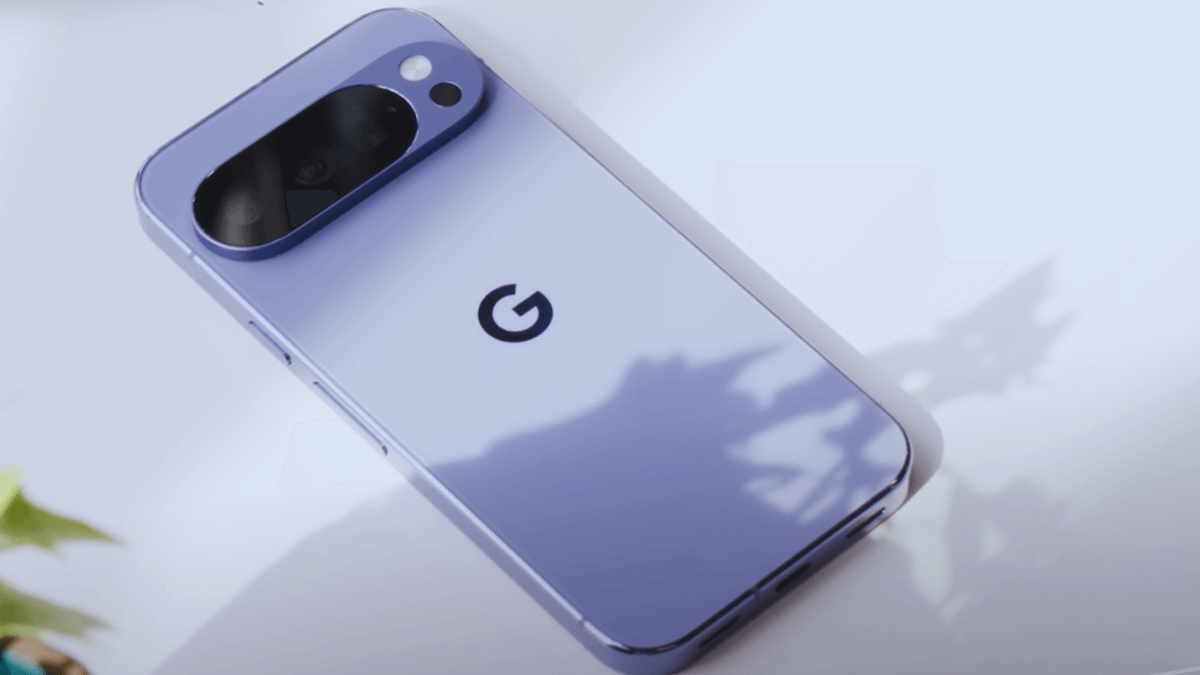
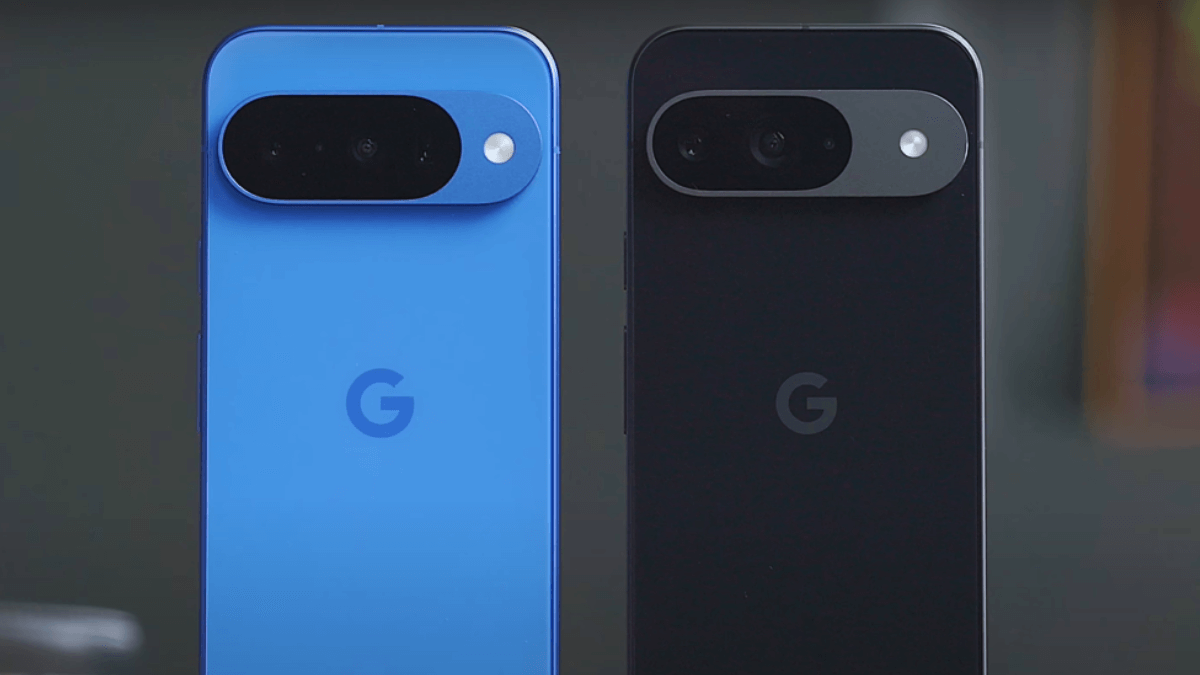
( PIxel 10 vs Pixel 9 ) Fom Left to Right While comparing the designs of the Pixel 10 and Pixel 9, we can see that the Pixel 10 keeps the same look as the Pixel 9 with minor refinements.
Pixel 10 features a triple rear camera setup with telephoto lens and 20X digital zoom for stunning photos.
Main Camera – 48 Megapixel
Ultra Wide Camera – 13 Megapixel
Telephoto Camera- 10.8 Megapixel
Front Camera – 10.5 Megapixel
The Google Pixel 10 features a 10.5MP (with autofocus) Selfie Camera with the High-performance triple rear camera. It has a 48MP (wide angle) main camera with up to 20X digital zoom. a 13MP ultra-wide camera for capturing more in every shot, and a 10.8MP telephoto camera for detailed zoomed-in photos with up to 5X digital zoom.
But, The Pixel 10 has a 20x Super Res Zoom feature but does not use the same generative AI as the Pro models.
The Pixel 10 camera also comes with many more handy features to make your photos even better.
The new Auto Best Take mode takes several photos and automatically combines them to create one perfect group shot where everyone is looking at the camera.
The Add Me feature lets the photographer join big or tricky group photos. It’s now better at handling larger groups, busy backgrounds. The camera app also adds a label to photos showing how they were taken and if AI was used. Camera Coach helps you take better photos by suggesting the best way to frame your shot. Just tap the button, and it gives you easy tips.
Google Pixel 10 Display and Body Design
Pixel 10 features a 6.3-inch OLED screen with a smooth 120Hz refresh rate for bright and fluid visuals.
The Google Pixel 10 features a 6.3-inch OLED display with a 120Hz refresh rate and HDR10+ support for smooth and vibrant visuals. The screen delivers 2000 nits brightness normally and up to 3000 nits at peak, making it bright even in sunlight. It has a 1080 × 2424 resolution with a 20:9 aspect ratio (~422 ppi) for sharp and clear images.
The phone is built to last with Gorilla Glass Victus 2 on both front and back and a sturdy aluminum frame. The Google Pixel 10 has IP68 dust and water resistance, surviving up to 1 meter of freshwater for 30 minutes, but it’s not fully waterproof.
Battery & Charging
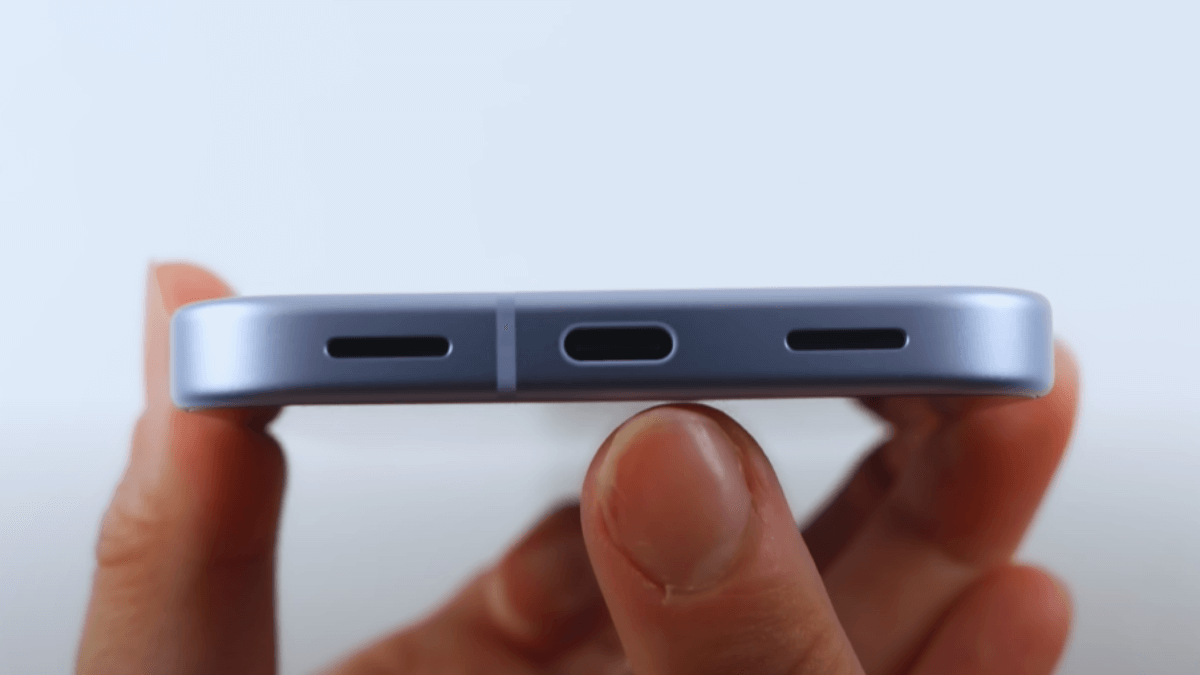
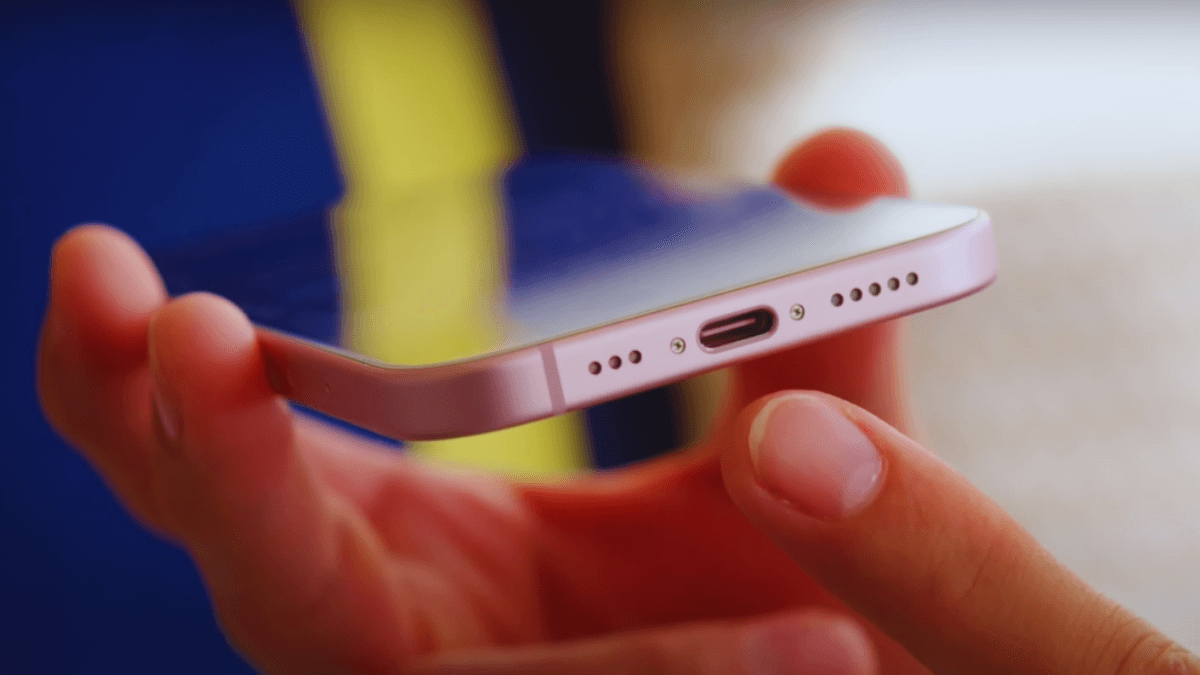
Bottom view of the Google Pixel 10 showing the USB-C charging port, speaker, and microphone from left to right.
The Google Pixel 10 has a 4,970 mAh battery with a USB-C port. The new Battery also comes with 30W fast wired charging & 15W wireless ( built-in magnets Pixelsnap ) charging. The Pixel 10 supports Google Pixel Snap Wireless Charging (Qi2 certified), Reverse wired charging, and Bypass charging, so you can charge it without cables or share power with other devices.
It easily lasts over 30 hours of typical use on a single charge. With fast charging, you can get about 55% in just 30 minutes.
Price of Pixel 10 vs Other Models
The Google Pixel 10 comes with 12GB of RAM and is priced at $799 for the 128GB model or $899 for the 256GB model, similar to last year’s Google Pixel 9.
For comparison with the iPhone 15, the Pixel 10 128GB at $799 is $100 more expensive than the iPhone 15 128GB at $699.
For comparison with the iPhone 16e, the Pixel 10 128GB at $799 is $200 more expensive than the iPhone 16e 128GB at $599.
For comparison with the iPhone 16, the Pixel 10 128GB at $799 is priced the same as the iPhone 16 128GB at $799.
For comparison with the iPhone 16 Pro, the Pixel 10 128GB at $799 is $200 less expensive than the iPhone 16 Pro 128GB at $999.
For comparison with the iPhone 16 Pro Max, the Pixel 10 128GB at $799 is $400 less expensive than the iPhone 16 Pro Max 128GB at $1,199.
I compared the prices based on the base-level storage of these phones, so the price may vary depending on storage, location, and country.
Google Pixel 10 Review: Pros and Cons
Pros
Excellent cameras with new 5x telephoto lens
Supports magnetic wireless charging
Smart AI-powered features
Cons
Similar design to Pixel 9a
US model only supports e-SIM and does not have a physical SIM card slot.
Limited storage options: 128GB and 256GB only.
Conclusion
In our Google Pixel 10 Review. We’ve covered its specs, features, pros and cons, design, display, battery, camera, and price while comparing it with other models. The Pixel 10 brings strong performance with the new Tensor G5 chip, a bright 120Hz OLED display, long battery life, and upgraded AI-powered camera tools. While it has some limitations like limited storage options and no physical SIM in the US model, it still stands out as one of the best choices in its price range. If you’re looking for a balanced flagship with years of software support and excellent photography, the Pixel 10 is worth considering.
The iPhone 15, released on September 22, 2023, features a powerful A16 Bionic chip with a 5-core GPU and runs on iOS 17 (upgradable to iOS 18), ensuring smooth and fast performance.
It comes with a 6.1-inch Super Retina OLED display with a 60Hz refresh rate and a dual-camera setup, including a 48MP main camera, 12MP ultra-wide, and 12MP selfie camera for great photo and video quality.
The iPhone 15 features a sleek design with a durable aerospace-grade aluminum frame and vibrant color-infused back glass.
As the first iPhone series to adopt a USB-C charging port instead of Lightning, it offers faster and more convenient charging. With solid battery life supporting up to 26 hours of video playback and a slim design of 171g and 7.8mm thickness, the iPhone 15 is impressive in both performance and portability.
In this iPhone 15 Review, we’ll cover all the features, pros, and cons to help you make the best choice.
Let’s explore more details on this phone,
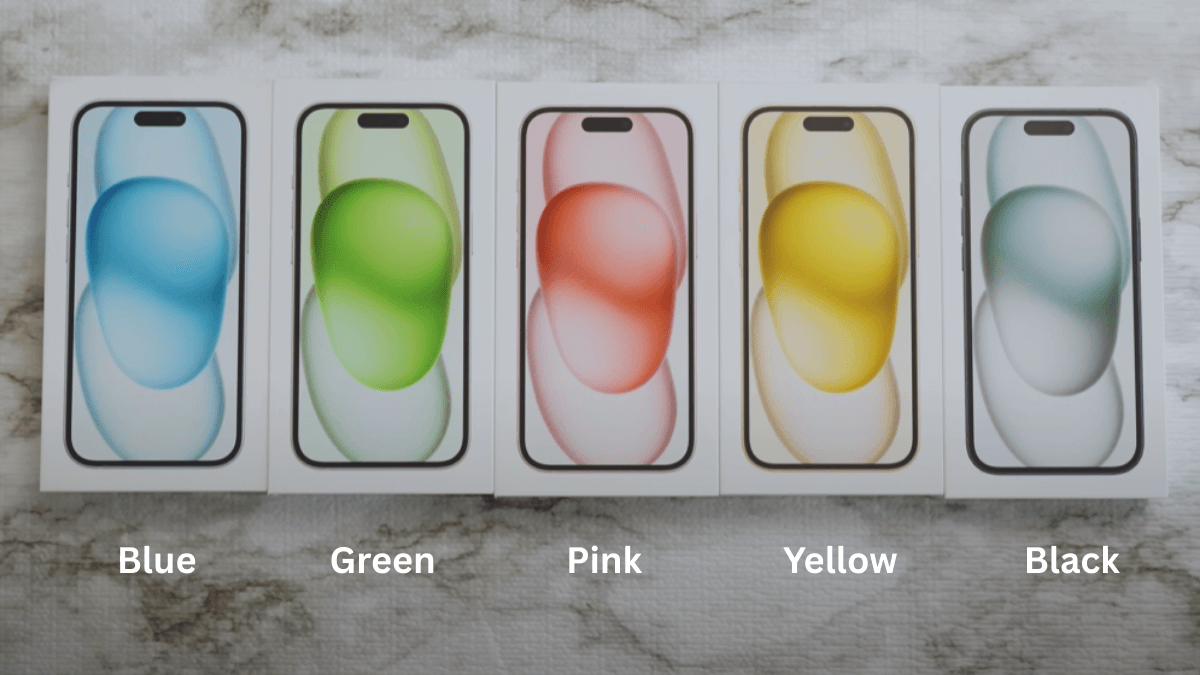
First of all let’s see the colors of iPhone 15. The iPhone 15 is available in five colors:
iPhone 15 Colors – All Available Options
Pink
Yellow
Green
Blue
Black
Specifications of iPhone 15
The iPhone 15 features the fast Apple A16 Bionic chip, a sharp 6.1-inch Super Retina XDR display, a 48MP main and 12MP ultra-wide camera, plus a 12MP front camera. This Phone has 3,349 mAh battery lasts up to 26 hours of video playback & has more features.
All specifications of this phone are listed below in the table :
4K Dolby Vision up to 60fps, 1080p HD up to 60fps, 720p HD up to 30fps, Cinematic Mode 4K HDR 30fps, Action Mode 2.8K 60fps, Slo‑mo 1080p 120/240fps
Selfie Camera
Selfie Camera Details
12MP, f/1.9 aperture, Autofocus, HDR, Portrait mode, Night mode
Video Recording
4K Dolby Vision up to 60fps, 1080p HD up to 60fps, Cinematic Mode 4K HDR 30fps, Slo‑mo 1080p at 120fps, Time-lapse with stabilization, QuickTake, stereo audio recording
IP68 (up to 6 meters for 30 minutes, dust resistant)
Weight
171 gram
Battery
3,349 mAh
Charger Type
USB‑C fast charging
Charging
Wired 20W, MagSafe wireless charging up to 15W, Qi wireless charging up to 7.5W
SIM
eSIM only in the US; nano‑SIM + eSIM in other regions
Display
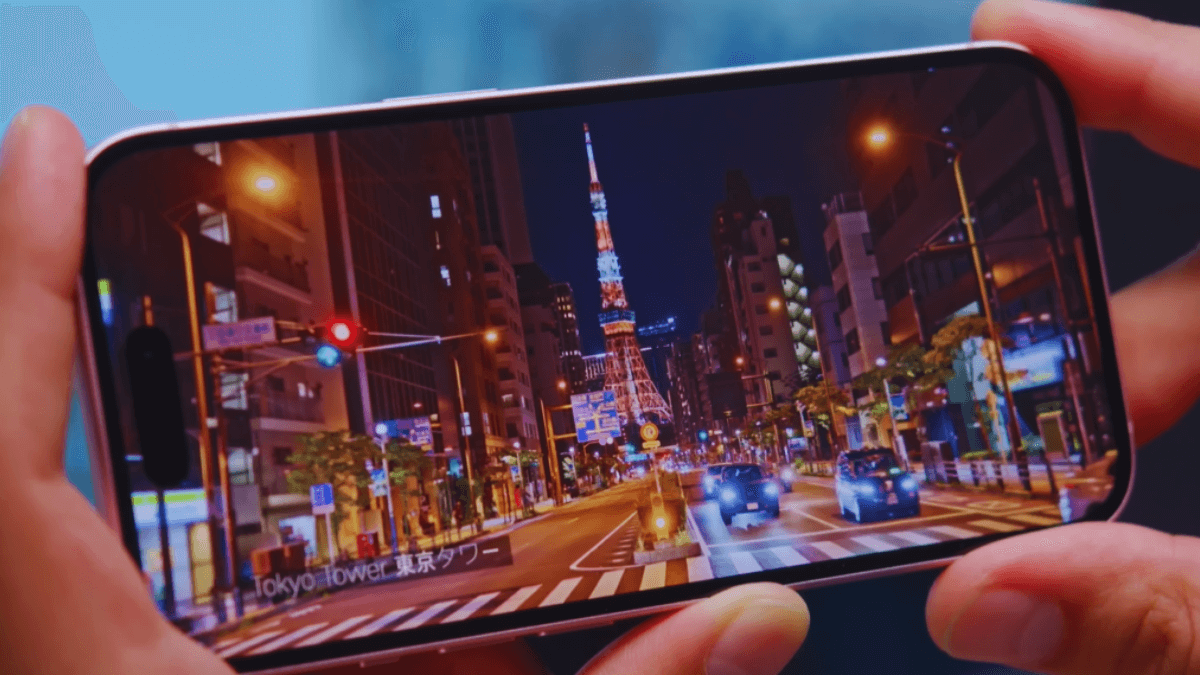
The iPhone 15 comes with a beautiful 6.1-inch Super Retina XDR OLED display that makes everything look sharp and colorful. It uses Apple’s Ceramic Shield front glass, which is stronger and more durable for everyday use.
The iPhone 15 features a 6.1-inch Super Retina XDR OLED display with sharp detail and vivid colors.
The screen supports Dolby Vision and HDR10, giving you stunning picture quality whether you’re watching movies or browsing photos. With up to 1000 nits brightness (HBM) and a peak brightness of 2000 nits, you can see the display clearly even in bright sunlight. The 1179 × 2556 pixel resolution, 19.5:9 aspect ratio, and 461 ppi density make the visuals smooth and detailed.
However, it comes with a 60 Hz refresh rate, which is good enough for normal use like scrolling, gaming, and video watching.
Build & Design
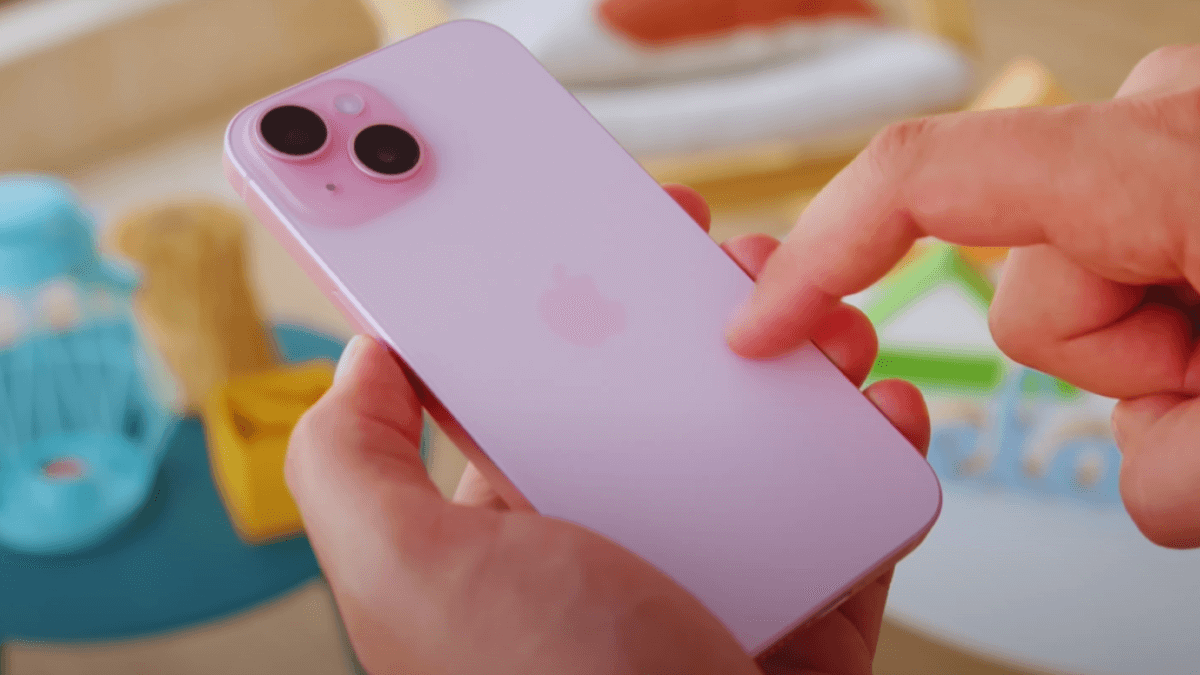
The iPhone 15 has a frame made from aerospace-grade aluminum, which makes it light but durable. The front glass is Apple’s Ceramic Shield, and the back is made with color-infused glass, giving it a modern and premium look.
The iPhone 15 features an aerospace-grade aluminum frame with a color-infused glass back.
It also has an IP68 rating, so it is safe from dust and can stay in water up to 6 meters deep for 30 minutes. Its weight is 171 grams, making it easy to hold and carry.
Camera of iPhone 15
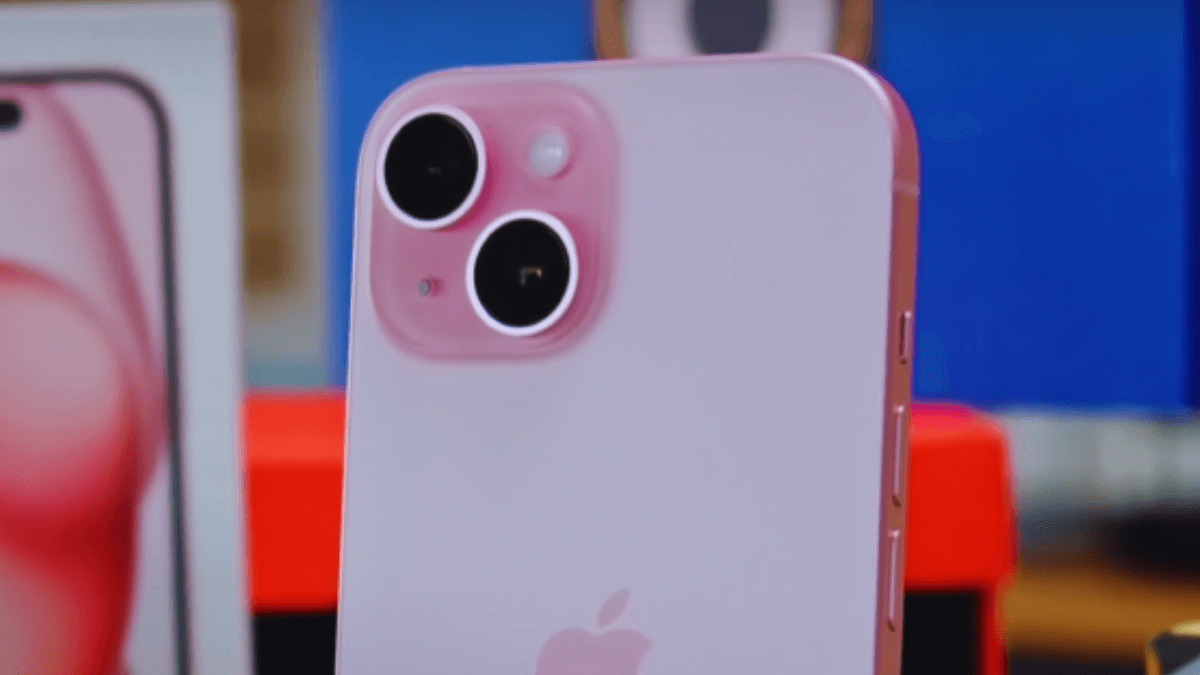
The iPhone 15 comes with a dual-camera system that makes taking photos and videos easy and fun. Its main camera is 48MP and the ultra-wide camera is 12MP, while the front selfie camera is 12MP.
The iPhone 15 features a dual-camera setup with a wide and ultra-wide lens, enabling stunning photos and 4K video recording.
You can take super-high-resolution photos in 24MP or 48MP, and enjoy next-generation portraits with Focus and Depth Control. The iPhone 15 records amazing videos with 4K Dolby Vision up to 60fps, 1080p HD up to 60fps, 720p HD up to 30fps, Cinematic Mode in 4K HDR at 30fps, Action Mode in 2.8K at 60fps, and slow-motion 1080p at 120 or 240fps.
It also supports time-lapse with stabilization, QuickTake, digital zoom up to 6x, audio zoom, True Tone flash, cinematic video stabilization, continuous autofocus, and stereo recording.
With optical zoom options of 1x, 2x, and 5x, and the front camera capable of 4K video at 24/25/30/60fps, the iPhone 15 gives you everything you need for stunning photos and videos.
Price of iPhone 15
According to Apple’s official website, the iPhone 15 is available in three storage options: 128GB for $699, 256GB for $799, and 512GB for $999.
Prices may vary depending on your country, location, or the storage option you choose.
Comparison with Other iPhone Models
For comparison with the iPhone 16e (128GB, $599), the iPhone 15 (128GB, $699) is $100 more expensive.
For comparison with the iPhone 16 (128GB, $799), the iPhone 15 (128GB, $699) is $100 cheaper.
For comparison with the iPhone 16 Pro (128GB, $999), the iPhone 15 (128GB, $699) is $300 cheaper.
For comparison with the iPhone 16 Pro Max (256GB, $1,199), the iPhone 15 (128GB, $699) is $500 cheaper.
Comparison with Samsung Galaxy Series
For comparison with the Samsung Galaxy Z Fold 7 (256GB, $1,799), the iPhone 15 (128GB, $699) is $1,100 cheaper.
For comparison with the Samsung Galaxy Z Flip7 (256GB, $1,099.99), the iPhone 15 (128GB, $699) is $400 cheaper.
For comparison with the Samsung Galaxy S25 Ultra (256GB, $1,299.99), the iPhone 15 (128GB, $699) is $600 cheaper.
For comparison with the Samsung Galaxy S25 (128GB, $799), the iPhone 15 (128GB, $699) is $100 cheaper.
For comparison with the Google Pixel 10 (128GB, $799), the iPhone 15 (128GB, $699) is $100 cheaper.
For comparison with the Google Pixel 10 Pro (128GB, $999), the iPhone 15 (128GB, $699) is $300 cheaper.
For comparison with the Google Pixel 10 Pro XL (256GB, $1,199), the iPhone 15 (128GB, $699) is $500 cheaper.
For comparison with the Google Pixel 9a (128GB, $499), the iPhone 15 (128GB, $699) is $200 more expensive.
I compared the prices based on the base-level storage of these phones, so the price may vary depending on storage, location, and country.
Pros & Cons of iPhone 15
Pros
USB-C charging port
The iPhone 15 is the first standard iPhone model to feature a USB-C charging port, replacing the Lightning connector.
Apple switched from Lightning to a USB-C fast charger with the iPhone 15 series (15, 15 Plus, 15 Pro, 15 Pro Max) in September 2023, giving users faster charging, easier use, and better compatibility with other devices.
HDR Display
The iPhone 15 features a 6.1-inch Super Retina XDR OLED display with 460 ppi and a 60Hz refresh rate, offering bright and accurate colors. It supports HDR10 and Dolby Vision for stunning visuals, and includes the new Dynamic Island, giving the screen a modern and stylish look.
Good Camera Quality
The iPhone 15 offers excellent camera quality, with a 48MP main camera, 12MP ultra-wide, and 12MP selfie camera, delivering sharp photos and stunning videos across all lenses.
iOS updates
The iPhone 15 comes five years of iOS updates, keeping your phone secure, fast, and full of new features for years to come.
Sound Quality
The iPhone 15 has excellent loudspeaker quality, delivering clear, powerful sound for music, videos, and calls.
Battery life
The iPhone 15 comes with a 3,349 mAh battery that supports up to 26 hours of video playback. It features USB-C fast charging with wired 20W, MagSafe wireless charging up to 15W, and Qi wireless charging up to 7.5W, making it perfect for all-day use.
Cons
Limited to 60Hz Refresh Rate One drawback of the iPhone 15 is its 60Hz refresh rate, which feels less smooth compared to the 120Hz displays found on many newer smartphones.
Telephoto Lens or Autofocus on Ultrawide
The iPhone 15 doesn’t have a telephoto camera, and its ultrawide lens has no autofocus, so zoom and close-up shots aren’t as clear as compared to others smartphones.
iPhone 15 vs iPhone 14
The iPhone 14 series was released on September 16, 2022, while the iPhone 15 series was released on September 22, 2023.
The iPhone 15 has several key upgrades over the iPhone 14, including the A16 Bionic chip, a 48MP main camera, a USB-C charging port, the new Dynamic Island, slightly longer battery life, and larger base storage. Other features like the 6.1-inch OLED display, MagSafe support, and IP68 rating remain the same.
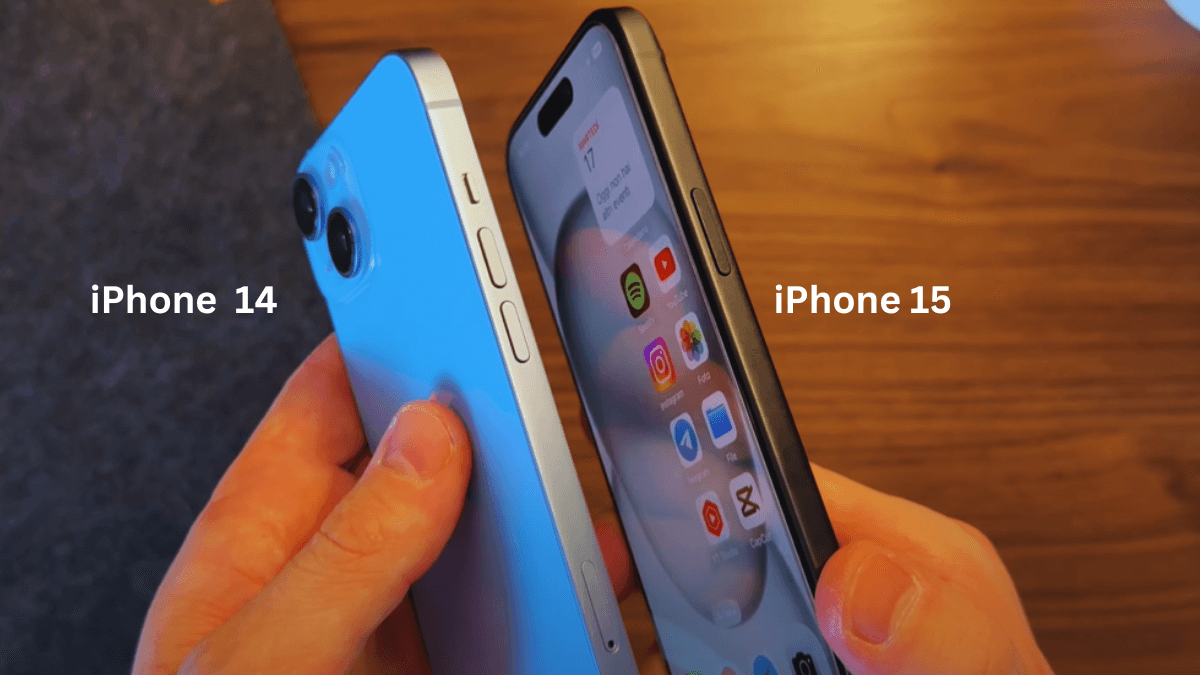
A visual comparison between the iPhone 14 and iPhone 15, highlighting the USB-C port, upgraded 48MP camera, and color options of the iPhone 15.
Here is the main differences between the iPhone 14 and iPhone 15 in the table below :
Feature
iPhone 14
iPhone 15
Display
6.1″ OLED, 60Hz, 1170×2532 pixels, 460 ppi
6.1″ OLED, 60Hz, 1179×2556 pixels, 461 ppi
Processor
Apple A15 Bionic 5nm
Apple A16 Bionic 4nm
Main Camera
12MP
48MP
Ultra Wide Camera
12MP
12MP
Selfie Camera
12MP
12MP
Battery
3,279 mAh
3,349 mAh
Charging Port
Lightning
USB Type-C
Weight
172 grams
171 grams
MagSafe Support
Yes
Yes
Camera Controls Support
Yes
Yes
IP Rating
IP68
IP68
Current OS
iOS 18
iOS 18
Who Should Buy the iPhone 15?
You should buy the iPhone 15 if you want a modern iPhone experience at a more affordable price. It’s perfect for those who want a high-quality camera setup — including a 48MP main camera, 12MP ultra-wide, and 12MP selfie camera for stunning photos and videos. The 6.1-inch Super Retina XDR OLED display provides a large, vibrant screen, while the faster A16 Bionic chip ensures smooth performance for apps, games, and multitasking. Plus, with the new USB-C port, charging is faster and more convenient than ever.
Conclusion
Thank you for reading this post. In this iPhone 15 Review, we’ve covered everything from its bright OLED display and high-quality cameras to the new USB-C charging and solid battery life. Whether you’re looking for a modern iPhone experience, faster performance with the A16 chip, or a device that captures stunning photos and videos, the iPhone 15 has a lot to offer. We hope this iPhone 15 Review helps you decide if it’s the right upgrade for you.
The Google Pixel 10 series : Google Pixel 10, Google Pixel 10 Pro, Google Pixel 10 Pro XL are the latest lineup of Pixel phones, powered by the super-fast Tensor G5 chip. These phones are designed to deliver amazing camera performance, with features like Camera Coach, Auto Best Take, and advanced AI tools such as Magic Cue and My Voice Interpreter. The Pixel 10 supports 20× Super Res Zoom, while the Pro models offer an exclusive 100× Pro Res Zoom for ultra-detailed shots. On top of that, the series comes with impressive and improved battery life, making it one of the most powerful phones of 2025.
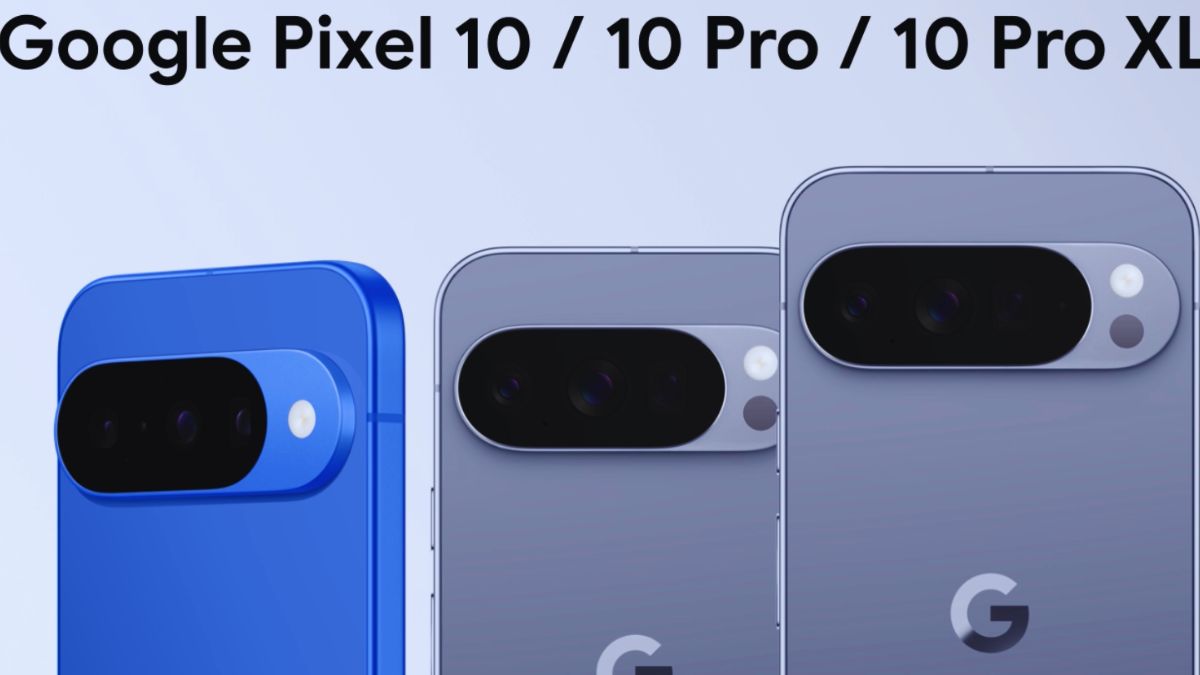
Pixel 10 series model phone featuring premium build, upgraded camera, and powerful performance.
In this Google Pixel 10 Series review, you will learn about all the attractions of this powerful 2025 model.
Before looking at the features, let’s check the price of this phone.
Price : Google Pixel 10 vs 10 Pro vs 10 Pro XL
The Google Pixel 10 series comes with different models and configurations to suit various needs.
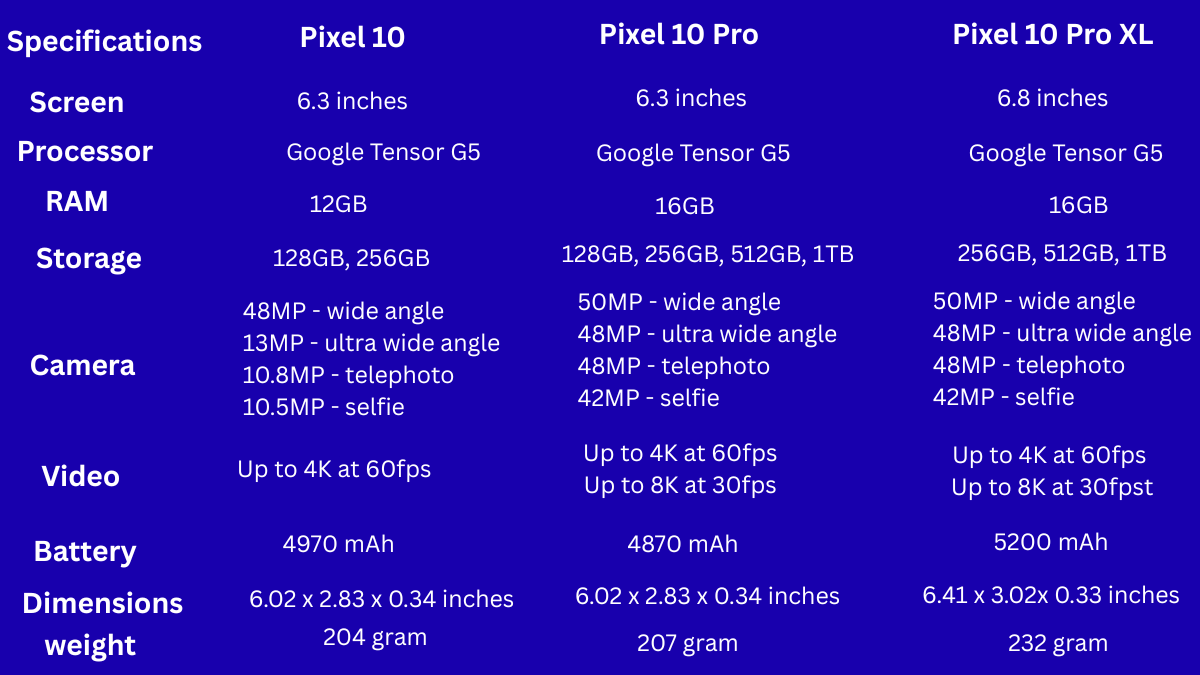
The Google Pixel 10 has 12GB of RAM and costs $799 for 128GB or $899 for 256GB. The Pixel 10 Pro comes with 16GB of RAM and is priced at $999 (128GB), $1,099 (256GB), or $1,219 (512GB). ThePixel 10 Pro XL also has 16GB of RAM and costs $1,199 for 256GB, $1,319 for 512GB, and $1,549 for 1TB.
The Google Pixel 10 Pro XL costs nearly twice as much as the Pixel 10, so choose a model based on the storage and features you need, and decide whether the Pro or XL is worth the extra features. But first, let’s compare the prices with the other latest smartphones on the market.
iPhone vs Pixel 10 series
For comparison with the iPhone 16e, the Pixel 10 is $200 more expensive, the Pixel 10 Pro is $400 more expensive, and the Pixel 10 Pro XL is $600 more expensive than the iPhone 16e.
For comparison with the iPhone 16, the Pixel 10 is the same price, the Pixel 10 Pro is $200 more expensive, and the Pixel 10 Pro XL is $400 more expensive than the iPhone 16.
For comparison with the iPhone 16 Pro, the Pixel 10 is $200 cheaper, the Pixel 10 Pro is the same price, and the Pixel 10 Pro XL is $200 more expensive than the iPhone 16 Pro.
For comparison with the iPhone 16 Pro Max, the Pixel 10 is $400 cheaper, the Pixel 10 Pro is $200 cheaper, and the Pixel 10 Pro XL is the same price as the iPhone 16 Pro Max.
Samsung Galaxy vs Pixel 10 series
For comparison with the Samsung Galaxy S25, the Pixel 10 is the same price, the Pixel 10 Pro is $200 more expensive, and the Pixel 10 Pro XL is $400 more expensive than the Galaxy S25.
For comparison with the Samsung Galaxy S25 Ultra, the Pixel 10 is $200 less expensive, the Pixel 10 Pro is the same price, and the Pixel 10 Pro XL is $200 more expensive than the Galaxy S25 Ultra.
For comparison with the Samsung Galaxy Z Flip 7, the Pixel 10 is $300 less expensive, the Pixel 10 Pro is $100 less, and the Pixel 10 Pro XL is $100 more than the Galaxy Z Flip 7.
For comparison with the Samsung Galaxy Z Fold 7, the Pixel 10 is $1,200 less expensive, the Pixel 10 Pro is $1,000 less, and the Pixel 10 Pro XL is $800 less than the Galaxy Z Fold 7.
I compared the prices based on the base-level storage of the phones, so the price may vary depending on storage, location, and country.
Specifications
The Google Pixel 10 series is packed with impressive features. The 10 series models are powered by the powerful Tensor G5 chip, ensuring smooth performance for everything you do. The series comes with a large screen featuring Actua Display and Super Actua Display, perfect for watching videos or browsing. Its AI-powered cameras let you capture stunning photos and videos, with up to 100× zoom for distant details, and it comes with the largest 5,200mAh battery for long-lasting use
Here’s a table showing the main specifications.
Detailed specifications of the Google Pixel 10, Pixel 10 Pro, and Pixel 10 Pro XL
Build & Design
The Pixel 10 has a shiny back with a matte metal frame, while the Pixel 10 Pro and Pro XL have a matte back with a shiny metal frame. All models are IPX8 rated for water resistance and IP68 rated for dust resistance.
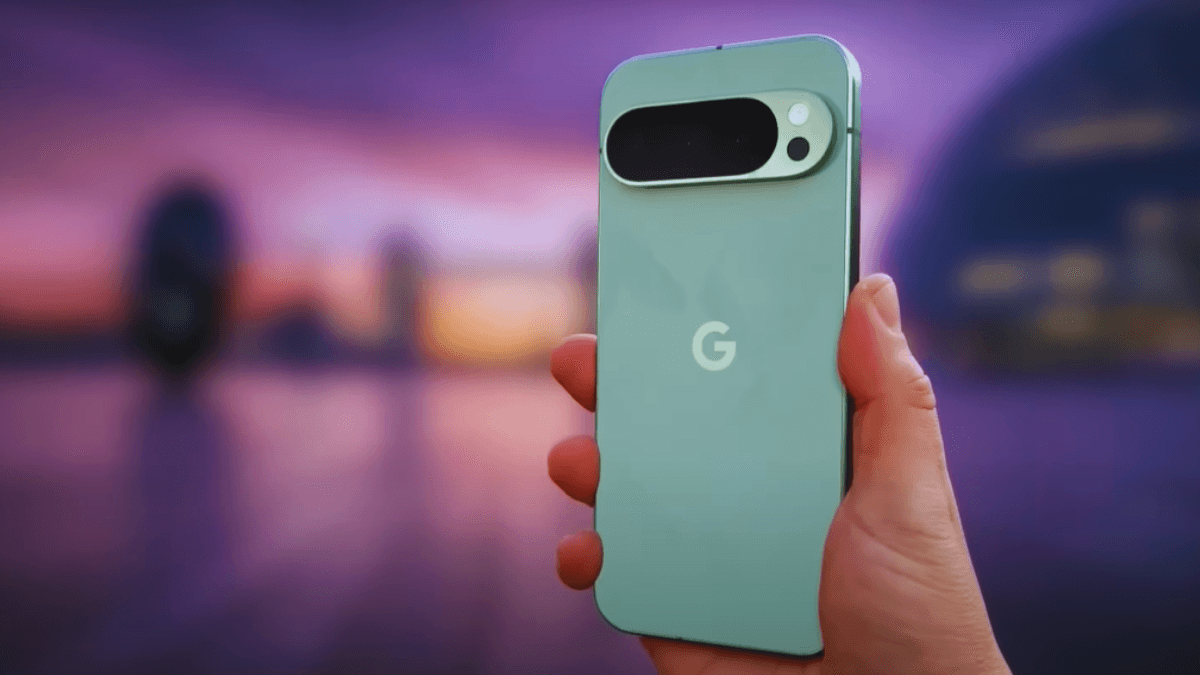
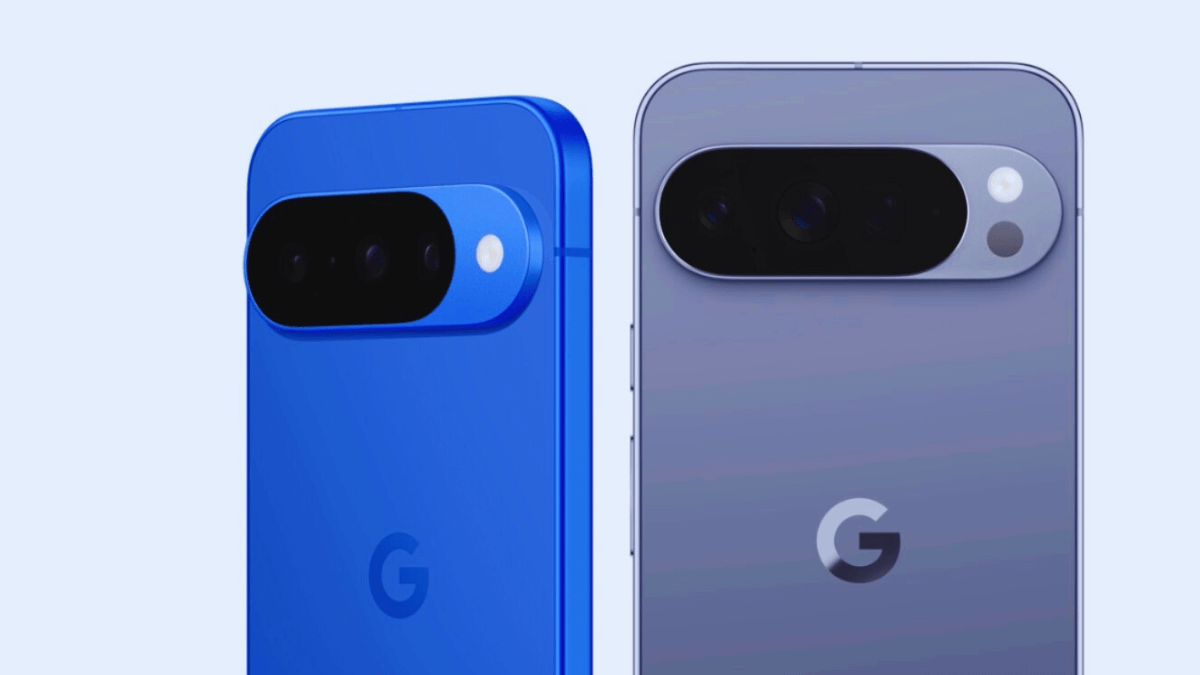
The Google Pixel 10 Pro back side highlights its premium design and upgraded triple-camera setup.
Screen with Super Actua Display
The Pixel 10 has a 6.3-inch Actua Display with a resolution of 1080 × 2424 pixels at 422 pixels per inch (ppi). It supports a 60Hz to 120Hz refresh rate for smooth visuals and a brightness range of 2000 to 3000 nits.
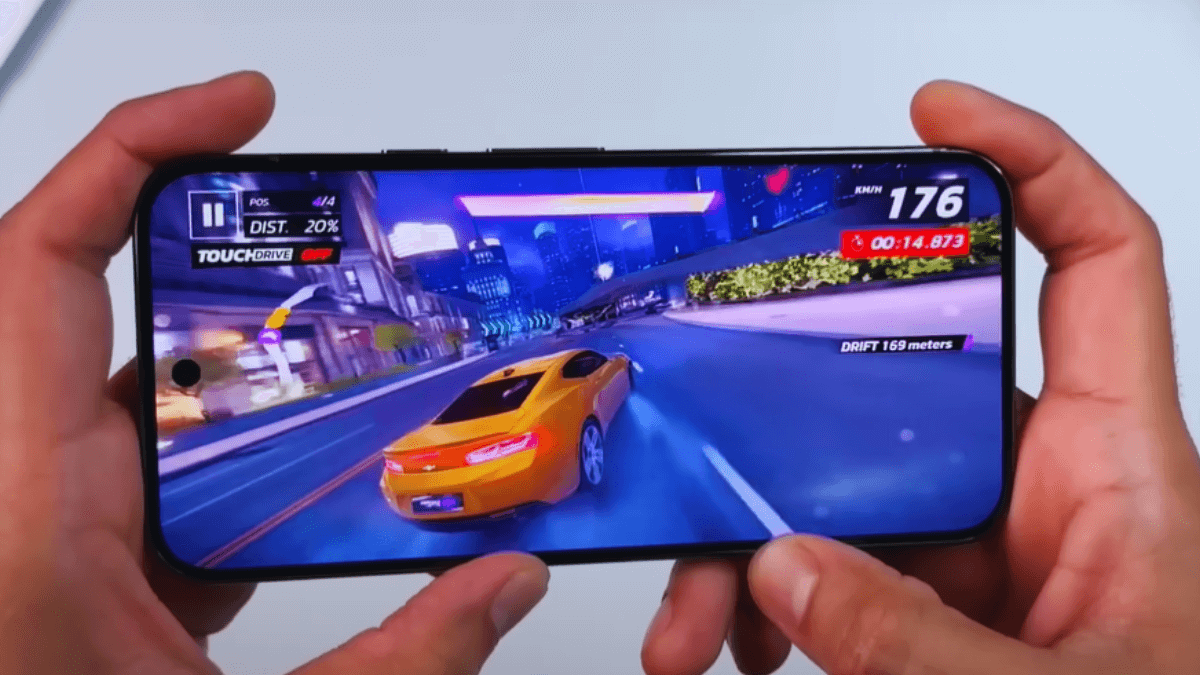
The Pixel 10 Pro features a stunning OLED display with vibrant colors, sharp details, and smooth 120Hz refresh rate.
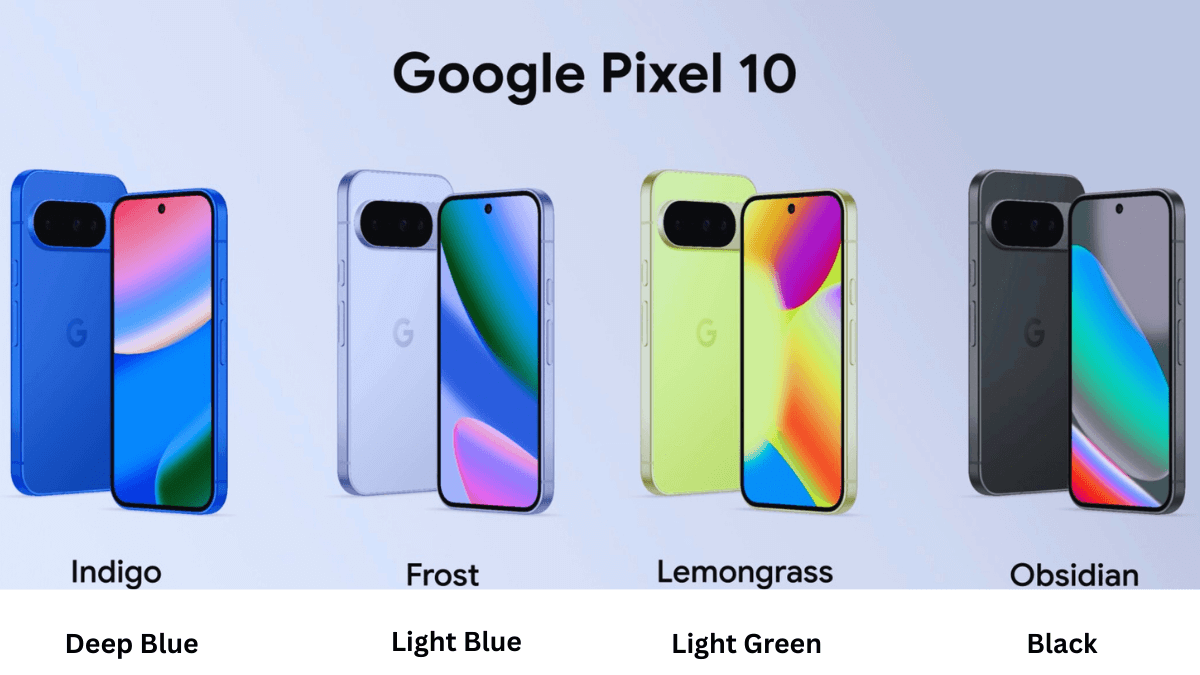
This phone comes in four colors: Indigo (deep blue), Frost (light blue), Lemongrass (light green), and Obsidian (black), as shown in the picture below.
Available colors of the Google Pixel 10
The Pixel 10 Pro also features a 6.3-inch Super Actua Display with a resolution of 2856 × 1280 pixels at 495 pixels per inch (ppi). It supports a 1Hz to 120Hz refresh rate for smooth visuals and a brightness range of 2200 to 3300 nits.
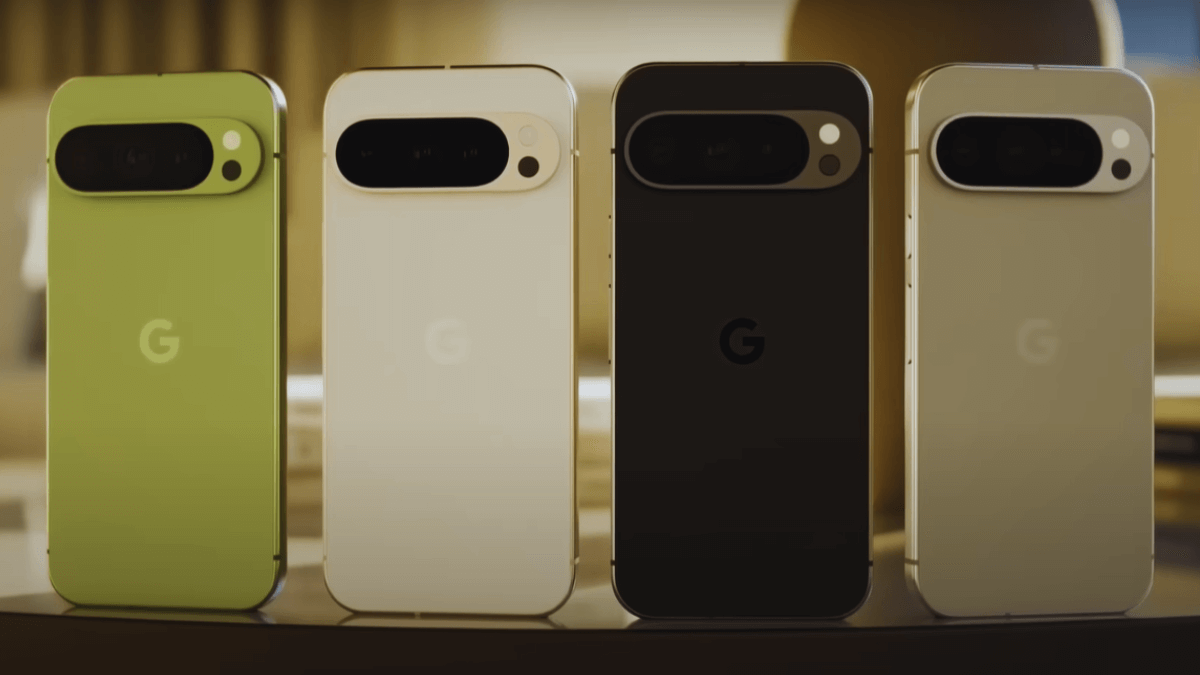
The Pixel Pro & Pro XL also available in four colors: Moonstone (grayish), Jade (light green ), Porcelain (white), and Obsidian (black), as shown in the picture below.
Available Colors of the Pixel 10 Pro and 10 Pro XL
The Pixel 10 Pro XL comes with a larger 6.8-inch Super Actua Display , offering a resolution of 2992 × 1344 pixels at 486 pixels per inch (ppi). It supports the same 1Hz to 120Hz refresh rate as the Pixel 10 Pro for smooth visuals, and it shares the same brightness range of 2200 to 3300 nits and color quality.
Camera – New AI Features Explained
The Pixel 10 series features advanced camera systems with AI-powered features like Auto Best Take, Magic Eraser, and object search make taking perfect photos and videos easier than ever.
The Google Pixel 10 comes with three camera’s on the back. The main camera has 48MP, so you can take very sharp and detailed photos. There’s also a 13MP ultra-wide camera for capturing more of the scene in a single shot, and a 10.8MP telephoto camera that supports 5× optical zoom for clear close-ups. On the front, the 10.5MP selfie camera makes it easy to take high-quality selfies and video calls.
The Google Pixel 10 Pro and Pro XL also feature a powerful triple-camera setup on the back. The 50MP main camera captures very sharp and detailed photos. The 48MP ultra-wide camera lets you take wide-angle shots with ease, while the 48MP telephoto camera supports 5× optical zoom for crisp close-ups. On the front, the 42MP selfie camera ensures high-quality selfies and smooth video calls.
The Pixel 10 supports 20× zoom, while the Pixel 10 Pro and Pro XL support 100× zoom, letting you capture distant photo details easily. The Pixel 10 can record videos up to 4K at 60fps, while the Pixel 10 Pro and Pro XL can record up to 8K at 30fps, capturing even more detail even with AI- assisted modes like Video Boost and Night Sight Video.
The Pixel 10 series has many advanced camera features like :
Camera Coach – AI Photography Assistant
Camera Coach gives you tips to take Photos & Videos in real time—like how to frame your shot, adjust lighting, improve composition, and choose the best mode—so you can take better photos easily.
For example: If you’re taking a picture of your friend and the photo looks too dark, Camera Coach might suggest turning on Night Mode or adjusting the angle so the lighting looks better.
Auto Best Take
Auto Best Take is a smart camera feature on the Pixel 10 that helps with group photos. It takes many pictures quickly and automatically chooses the one where everyone looks their best.
For example, if one friend blinked in one photo and another friend wasn’t smiling in the next, Auto Best Take combines them so everyone’s eyes are open and smiling in the final picture.
Battery – More Powerful with Tensor G5
The Google Pixel 10 comes with a 4970mAh battery, offering over 30 hours of typical use. The Pixel 10 Pro has a 4870mAh battery offering over 30 hours of typical use, while the Pixel 10 Pro XL features the largest 5200mAh battery. With the new Tensor G5 chip, the Pixel 10 series delivers around 25% longer battery life, a clear improvement over the Pixel 9.
The Pixel 10 Pro XL has a bigger battery than the Pixel 9a and charges faster, offering over 30 hours of typical use, up to 100 hours with Extreme Battery Saver, and fast charging , so you can use it longer without waiting.
For charging, the Pixel 10 & 10 Pro support USB-C port30W wired charging and 15W Qi2 wireless charging, while the Pro XL can charge even faster with USB-C port 45W wired and 25W wireless charging. All three models are compatible with Google Pixelsnap, a magnetic Qi2 charger system similar to Apple’s MagSafe, providing secure and convenient wireless charging on Android phones.
But, What is Google Pixelsnap (Qi2) ?
Google PixelSnap – Magnetic Wireless Charging for Pixel 10 Series
Google Pixelsnap is Google’s new magnetic wireless charging system introduced with the Pixel 10 series.It utilizes the Qi2 standard, enabling magnetic alignment for accessories like chargers, stands, and cases.This feature allows for more efficient charging and seamless attachment of compatible accessories.
and, Let’s know about Tensor G5 powerful chip !
Tensor G5 – Most Powerful Chipset Yet
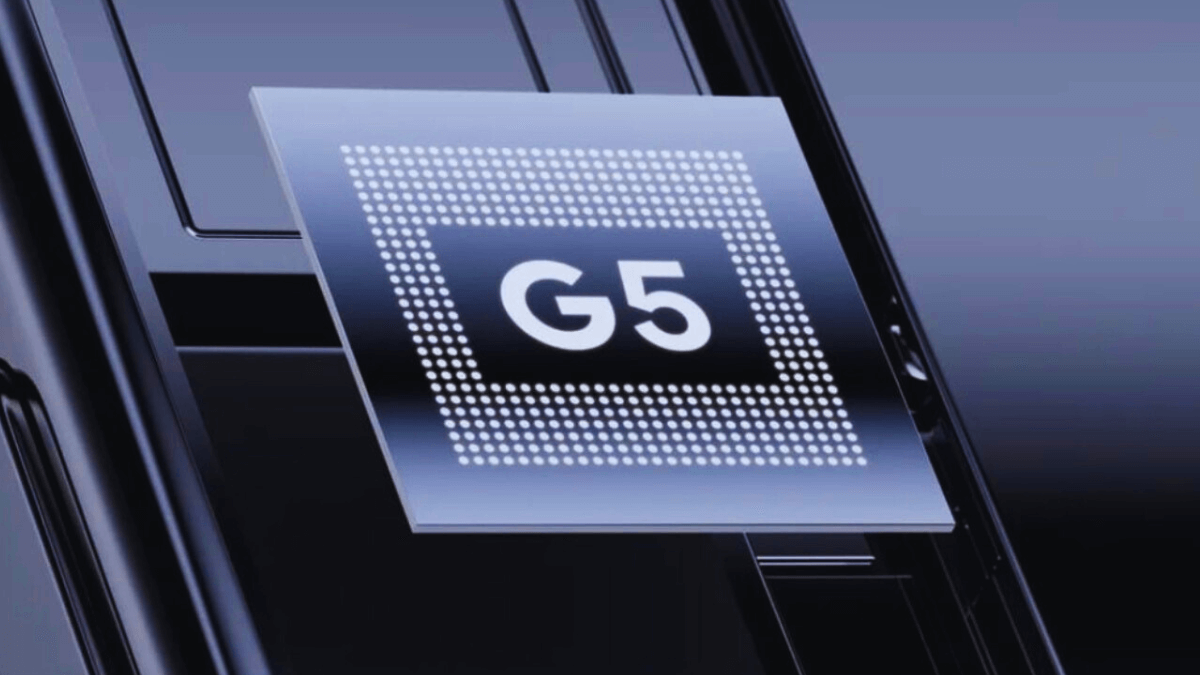
Google Tensor G5 chip – faster CPU performance, advanced AI processing, and powers new Pixel 10 features, including smarter cameras and on-device AI.
The Tensor G5 is Google’s most advanced chip yet, making your Pixel 10 faster and more responsive. It delivers a 34% boost in CPU performance and about 60% faster AI processing compared to the previous generation.
This chip powers new Pixel 10 features and improves the camera, helping you take better photos and videos. It also runs the Gemini Nano model, enabling advanced on-device AI, like smart suggestions and generative AI features, directly on your phone.
AI Features
The Google Pixel 10 Series Features and Specifications include smart AI tools like Magic Cue and My Voice Interpreter, helping you translate conversations and get instant call info. Combined with powerful performance and cameras, the Pixel 10 series makes everyday tasks easier and smarter.
Pixel 10 series offers features such as :
Magic Cue
Magic Cue works like a smart helper that scans your Google apps (like Gmail, Calendar, and Messages) and shows you the right information at the right time.
For example : If someone texts you asking about your dinner reservation, Magic Cue can show your booking details from Gmail or Calendar right in the conversation.
For example, it can display your flight details while you’re making a reservation over the phone.
Another example : it can show your flight details while you’re booking a ticket on a call.
My Voice Interpreter
My Voice Interpreter lets you talk in your own language and instantly translates it into another—keeping your voice, accent, and style—so the other person hears you in their language during the call.
For example: If you are talking in English to a Japanese person, My Voice Interpreter will instantly translate your words into Japanese in your own voice, so they can easily understand you.
Security
The Pixel 10 series gives you multiple ways to keep your phone secure. You can unlock it quickly with face unlock or the improved fingerprint sensor. For extra protection, you can also set up a pattern, PIN, or password, ensuring your personal data stays safe
Conclusion – Reasons to Buy
Thank you for reading our detailed review of the Google Pixel 10 Series. Whether you’re interested in the affordable Pixel 10, the well-balanced Pixel 10 Pro, or the feature-packed Pixel 10 Pro XL, each model brings something unique to the table. From advanced AI-powered camera features to longer software support and improved performance with the Tensor G5 chip, the Pixel 10 series continues Google’s tradition of combining innovation with user-friendly design.
If you’re looking for a phone with excellent photography, fast performance, and reliable software updates, the Pixel 10 series has a model that fits your needs. Choose based on your budget, camera preferences, and desired features, and enjoy one of the most intelligent smartphones on the market today.
In this iPhone 16 Pro Max Review, we’ll explore Apple’s newest flagship phone, released on September 20, 2024.
It comes with the powerful A18 Pro chip and is designed to support Apple Intelligence, making the phone fast and smart.
The 6.9-inch Super Retina XDR OLED display with 120Hz ProMotion gives smooth visuals and bright HDR, making everything look sharp and clear.
The camera system is impressive, with a 48MP main camera, a 48MP ultra-wide lens, and a 5x telephoto camera. You can also record amazing videos with ProRes, Cinematic mode, and sensor-shift OIS.
iPhone 16 Pro Max – Premium Design
Let’s explore more details of this phone :
Specification of iPhone 16 Pro Max
This iPhone 16 Pro Max Review highlights its powerful performance, running on iOS 18 and is powered by the powerful A18 chip, which provides smooth performance. It features a 6.9-inch Super Retina XDR display with a smooth 120Hz refresh rate, giving you crisp and fluid visuals.
The camera system is powerful, with a 48MP main camera, a 48MP ultra-wide lens, and a 12MP front camera, allowing you to capture high-quality 4K photos and videos with advanced features.
Apple says that the iPhone 16 Pro Max offers up to 33 hours of video playback, up to 29 hours of streamed video playback.
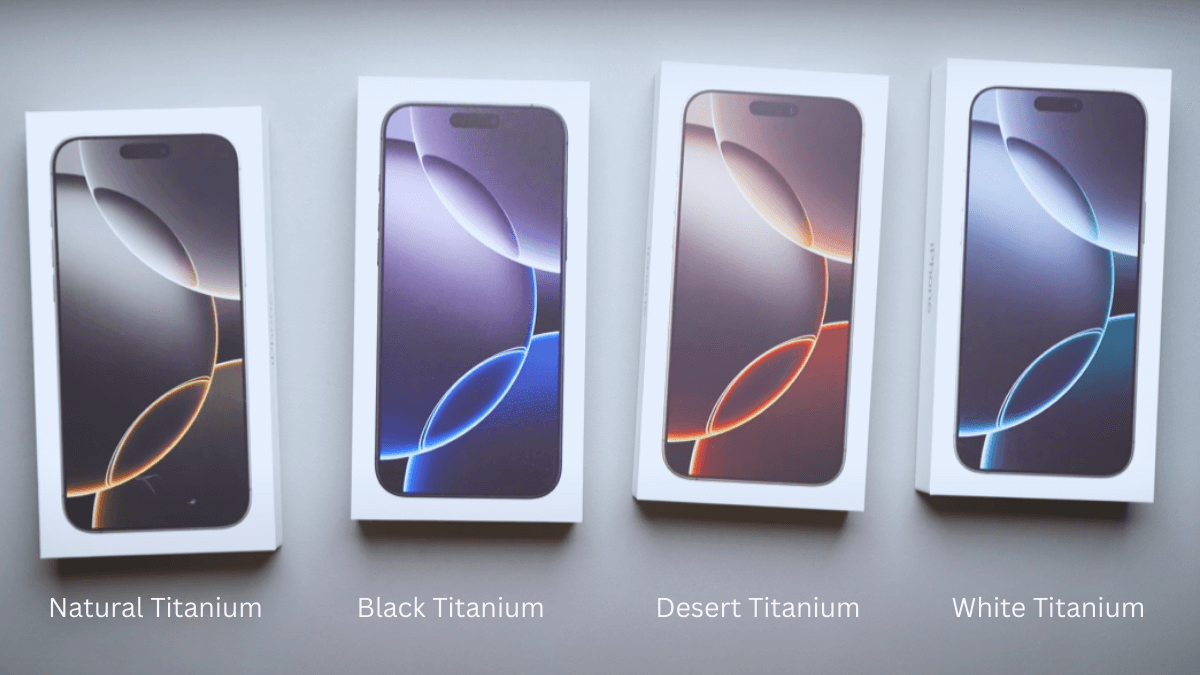
This phone is available in 4 different colors.
iPhone 16 Pro Max Colors – All Available Options
Desert Titanium
Natural Titanium
White Titanium
Black Titanium
All specifications of this phone are listed in the table below.
Desert Titanium, Natural Titanium, White Titanium, and Black Titanium
Display
iPhone 16 Pro Max Display – Stunning Visual Experience
The iPhone 16 Pro Max features a 6.9-inch Super Retina XDR display with a smooth 120Hz refresh rate, delivering crisp and fluid visuals.
Its front glass is made from Apple’s Ceramic Shield, which offers enhanced drop resistance—Apple claims it provides up to four times better protection than previous iPhone generations.
Along with a high level of scratch resistance and overall durability, this display offers superior drop protection, giving users extra confidence while using the phone every day.
Design & Built
iPhone 16 Pro Max Build & Design – Strong, Sleek, and Premium
This iPhone 16 Pro Max Review highlights its premium and durable design. The iPhone 16 Pro Max features a Grade 5 titanium frame with a micro-blasted finish, which is both strong and lightweight.
Front Glass: The front of the device is made with Apple’s Ceramic Shield material, which is designed to be more durable than previous generations of smartphone glass.
Back Glass: The back of the phone features a textured matte glass, providing a different aesthetic and feel compared to the glossy finish of previous models.
It also features IP68 water and dust resistance, offering extra protection against spills, splashes, and dust.
Despite its durable design, the phone weighs just 227 grams, making it comfortable to hold and use throughout the day.
Security features
The iPhone 16 Pro Max keeps your data safe with several security features. You can unlock it easily with Face ID, or use a 6-digit or custom passcode. Apple Pay also uses Face ID or your passcode to authorize payments. Your messages, FaceTime calls, and data are protected with end-to-end encryption.
For extra safety, Lockdown Mode protects against cyber attacks, and Find My iPhone helps you locate or erase your phone if it’s lost or stolen.
This combination of features makes this a standout device in our iPhone 16 Pro Max Review.
Here is Apple’s official video for more details, published on YouTube :
Camera of 16 Pro Max
iPhone 16 Pro Max Camera
The iPhone 16 Pro Max comes with a powerful camera setup, including a 48MP main camera, a 48MP ultra-wide camera, and a 12MP front camera. The ultra-wide camera is completely upgraded this year, now offering 48 megapixels, a 4x resolution improvement from last year.
With this setup, the phone can capture stunning HD images and record 4K videos, making it perfect for both photography and videography.
In this iPhone 16 Pro Max Review, the advanced camera system stands out as one of the phone’s key highlights, delivering professional-quality results in almost any scenario.
Other features of the iPhone 16 Pro Max
Camera control
iPhone 16 Pro Max Camera Control Button – Shoot Smarter
The Camera Control buttonon the iPhone 16 Pro Max is a new feature designed to give users quick and easy access to the camerafrom anywhere on the phone.
It is designed for instant camera access, allowing you to open the camera immediately without unlocking the phone or navigating to the app.
It lets you quickly switch modes, moving between photo, video, slow-motion, or cinematic mode with just one tap.
It provides a shortcut for pro features, giving fast access to advanced settings like zoom, filters, or ProRes video.
It offers enhanced convenience, making it easy to capture sudden moments or action shots without delay.
It works seamlessly with Apple Intelligence, using AI-powered suggestions for the best shot, scene recognition, and image cleanup.
Action Button
iPhone 16 Pro Max Action Button – Quick Access Made Easy
On the iPhone 16 Pro Max, the Action Button is a versatile new feature that replaces the traditional mute switch and can be customized for various tasks.
You can customizethe Action Button to open the camera, turn on the flashlight, launch voice memos, activate focus mode, or perform other shortcuts.
It provides quick access to your chosen function without needing to navigate through apps.
It helps you work more efficiently, letting you complete frequent actions faster and save time on daily tasks.
It works seamlessly with iOS and Apple Intelligence, offering smooth operation and smart suggestions.
A bigger screen
iPhone 16 Pro Max Build & Design – Strong and Stylish
The iPhone 16 Pro Max features a 6.9-inch Super Retina XDR OLED display with a 120Hz refresh rate, offering smooth visuals and vibrant colors for gaming, videos, and everyday use.
The front glass is made from Apple’s Ceramic Shield, providing enhanced durability and drop protection, so the large display stays safe while delivering a premium viewing experience.
If you want a phone with an even larger screen that feels like a tablet, check out the Samsung Galaxy Z Fold, released in 2025.
Price of Apple 16 Pro Max
The iPhone 16 Pro Max is available in three storage options: 256GB for $1,199, 512GB for $1,399, and 1TB for $1,599, according to Apple’s official website.
Prices may vary depending on your country or location and the storage option you choose.
This iPhone 16 Pro Max Review also notes that If you’re looking for a cheaper alternative to the iPhone 16 Pro Max, you can also check out theiPhone 16,iPhone 16 Pro, or theiPhone 16e, which offer many great features at lower prices.
If you’re looking for a phone with even more advanced features at a higher price, you might consider the Samsung Galaxy Z Fold 7, which offers a unique foldable design and gives you a tablet-like experience.
Should i buy iPhone 16 pro max ?
Yes, you should buy the iPhone 16 Pro Max if you want a premium phone with top features.
If you’re looking for a premium smartphone, this iPhone 16 Pro Max Review shows why it’s worth considering.
It offers a bigger 6.9-inch Super Retina XDR OLED display with 120Hz ProMotion, a 48MP triple-camera system with 5x telephoto zoom, and even a camera control button for instant access.
Thios Phone is Built with titanium and Ceramic Shield, it’s tough yet stylish, while the A18 Pro chip delivers blazing performance with Apple Intelligence. Plus, with USB-C fast charging, MagSafe, and 5–6 years of iOS updates, it’s a future-proof choice.
You shouldn’t buy the iPhone 16 Pro Max ?
You shouldn’t buy the iPhone 16 Pro Max if the downsides matter more to you than the upgrades. Its high price starting at $1,199 makes it an expensive choice, and there’s no major design change, as it looks very similar to the iPhone 15 Pro Max.
While the phone is powerful, it still offers limited customization compared to Android rivals like the Galaxy Z Fold 7 or Galaxy Z Flip 7. On top of that, the charging speed (~25W) is slower than many Android flagships, which might be disappointing if fast charging is important to you. In this case, cheaper models like the iPhone 16, 16 Pro, or 16e could be smarter options.
Conclusion
Thank you for reading this iPhone 16 Pro Max Review. The phone comes with a big 6.9-inch display, powerful A18 Pro chip, a powerful camera system, and even a camera control button for instant access. Its durable titanium build and top-notch features make it ideal for those who want the best performance.
While it’s expensive and similar to last year’s design, it’s perfect for those who want top performance and long-term use.
I hope this guide makes it easier for you to decide if this is the right phone for you.
The iPhone 16 Pro, released on September 20, 2024, is intelligent, powerful, and innovative, featuring a new A18 Pro chip, improved camera capabilities, and a refined design.
Its main camera is 48MP, paired with a 48MP ultra-wide camera and a 5× telephoto lens with 120mm zoom, delivering stunning photos and videos.
The phone boasts a Grade 5 Titanium design and a 6.3-inch OLED Super Retina XDR display, supporting 4K video at 120fps with Dolby Vision.
Powered by Apple Intelligence, it also comes with a 3,582 mAh battery for long-lasting use, making it a perfect combination of performance, design, and innovation.
iPhone 16 Pro – Elegant Titanium Design
Let’s explore all the details of this phone.
iPhone 16 Pro specifications
The iPhone 16 Pro runs on iOS 18 and is powered by the Apple A18 Pro (3 nm) chipset, delivering smooth performance for all tasks. It features a 6.3-inch OLED Super Retina XDR display with stunning color accuracy and high refresh rate for a premium viewing experience.
On the camera side, it sports a 48MP main camera, a 48MP ultra-wide-angle camera, and a 12MP TrueDepth selfie camera, making it ideal for capturing high-quality photos and videos in any situation.
This phone comes in 4 different colors :
iPhone 16 Pro – All Color Options
Black Titanium
White Titanium
Natural Titanium
Desert Titanium
The full specifications of this phone are listed in the table below:
Black Titanium, White Titanium, Natural Titanium, Desert Titanium
Display of Apple 16 pro
iPhone 16 Pro Display
The iPhone 16 Pro has a 6.3-inch OLED Super Retina XDR display with bright colors and deep blacks. The front is made of Ceramic Shield glass for extra protection, and the phone is IP68 water-resistant, so it can stay in up to 6 meters of water for 30 minutes.
Design & Built of iPhone 16
iPhone 16 Pro – Sleek Side Design
The iPhone 16 Pro has a matte glass back and a titanium frame, giving it a sleek and sturdy feel. It’s 149.6 × 71.5 × 8.25 mm in size and weighs 199 grams, making it comfortable to hold and easy to use.
Security features
The iPhone 16 Pro offers advanced security with Face ID, which uses facial recognition to unlock your phone quickly and safely. It does not support a fingerprint sensor.
The phone also provides secure encryption for your data, keeping personal information protected, and regular iOS updates help guard against the latest security threats.
iPhone 16 Pro Camera
The iPhone 16 Pro features a triple rear camera setup with a 48MP main camera, a 48MP ultra-wide-angle camera, and a 12MP telephoto camera, along with a 12MP front (selfie) camera. It supports 4K video recording at up to 120fps with Dolby Vision, giving you stunning video quality.
The phone also has improved audio performance with four studio-quality microphones and new spatial audio capture, making both your videos and voice recordings more immersive and clear.
iPhone 16 Pro features
Camera Control button
iPhone 16 Pro Camera Control Button
The iPhone 16 Pro features a new dedicated camera control button on the side of the phone, designed to make photography easier and more convenient.
This button allows quick access to the camera, photo capture, video recording, and various camera settings.
You can also enjoy customization options and adjust touch sensitivity, giving a more personalized and smooth photography experience.
Action Button
iPhone 16 Pro Action Button
The iPhone 16 Pro has a new Action Button that replaces the old Ring/Silent switch. By default, it switches your phone between ring and silent, but you can customize it to do many other things.
For example, you can use it to open the camera, turn on the flashlight, start a voice memo, identify music with Shazam, translate languages, use the Magnifier, access favorite controls, or run your own shortcuts.It’s a handy button that makes it easy to do the things you use most.
iPhone 16 Pro price
According to the official Apple site, the 128GB model starts from $999, the 256GB version is $1,099, the 512GB option costs $1,299, and the largest 1TB model is priced at $1,499.
The price can also vary based on your storage selection, as well as your location and country, so it’s always best to check the latest pricing on Apple’s website or from local retailers before buying.
If you’re looking for a more affordable option, you can also check out the iPhone 16 and iPhone 16e for cheaper prices.
But, If you want a phone with premium features and don’t mind paying a higher price, you can also check out theSamsung Galaxy Z Fold 7, which was released this year.
Some pros and cons of the iPhone 16
Pros
A18 Pro Chip : The new A18 Pro chip is expected to be faster and stronger than older chips, making things like gaming and video editing smoother and easier.
48MP Ultra Wide Camera : The second 48MP Ultra Wide camera lets you take clearer, sharper photos and amazing close-up shots with lots of detail.
Apple Intelligence :
The iPhone 16 Pro models supports Apple Intelligence, which includes tools for writing, cleaning up images, and so many features.
Camera Control Button : The Camera Control button on the iPhone 16 lets you easily adjust zoom, switch modes, and take photos or videos.
Enhanced Camera System : The iPhone 16 Pro features a powerful camera system, offering 5x zoom and the ability to shoot 4K slow-motion video at 120fps in Dolby Vision.
Larger Screen : Apple 16 Pro has a larger display, potentially with even thinner bezels, providing a more immersive viewing experience.
Titanium Build : The phone features a titanium design with a new, refined microblasted finish, offering a strong yet lightweight build.
Cons
Battery Life : The iPhone 16 Pro has a 3,582 mAh battery, smaller than the 5,000 mAh batteries found in many cheaper phones, so it may need more frequent charging.
You might want to skip the iPhone 16 Pro if budget and battery life are important to you.
The 128GB model starts at $999, which is quite expensive compared to alternatives like the Galaxy Z Flip 7 that offers high-end features at a lower price.
Additionally, the iPhone 16 Pro has a 3,582 mAh battery, smaller than the 5,000 mAh batteries found in many cheaper phones
Should I buy iPhone 16 Pro ?
Yes, you should buy the iPhone 16 Pro if you want a phone with the latest features and powerful performance. It is built for Apple Intelligence and runs on the new A18 Pro chip, making everything faster and smoother.
The camera system is a big upgrade, with a 48MP main camera, a new 48MP Ultra Wide camera with a quad-pixel sensor for super high resolution, a 12MP telephoto camera, and a selfie camera which also supports 4K recording.
The display is also stunning with a 120Hz refresh rate, giving you a smooth viewing experience. Plus, you get storage options up to 1TB, which is perfect for storing all your photos, videos, and apps.
With its improved camera capabilities, speed, and smart features, the iPhone 16 Pro may be an excellent choice for you looking for a premium smartphone.
Conclusion
Thank you for reading this post!
The iPhone 16 Pro offers cutting-edge features, a powerful camera system, and a sleek design, but it comes with a high price and a smaller battery compared to some competitors.
I hope this guide helps you decide if it’s the right choice for you.
The iPhone 16, released on September 20, 2024, comes with exciting updates like a new Action button, the Camera Control feature, and spatial capture.
In this iPhone 16 review, we’ll also look at how this year’s model features the powerful A18 chip, offering fast and smooth performance which supports Apple Intelligence features. It also has an improved 3561 mAh battery, providing up to 18 hours of streaming video playback for longer usage without worry.
iPhone 16 – Build & Design
Let’s take a closer look at the details of this phone.
iPhone 16 Specifications
The iPhone 16 runs on iOS 18 and is powered by the Apple A18 chip, which is built for Apple Intelligence and jumps two generations ahead of the A16 Bionic chip in the iPhone 15.
It comes with a 6.1-inch OLED Super Retina XDR display, offering sharp and vibrant visuals.
The main camera is 48MP and includes next-level features like Photographic Styles and Camera Control, while the ultra-wide-angle camera is 12MP. For selfies, the phone has a 12MP front camera, making it easy to capture clear and detailed photos.
The phone is available in five colors.
iPhone 16 All 5 Colors
Black
White
Pink
Teal
Ultramarine
Here are more specifications of this phone in the table below:
The iPhone 16 features a 6.1-inch OLED Super Retina XDR display with a 60Hz refresh rate, offering clear and vibrant visuals for everyday use.
The front glass is made of the latest-generation Ceramic Shield for extra durability.
Design & Built of iPhone 16
iPhone 16 Side and Back Frame
The side frame is crafted from aerospace-grade aluminum, making the phone lightweight yet strong. The back of the Apple 16 is made from color-infused glass, giving it a sleek and stylish look.
Security features
The iPhone 16 has Face ID for unlocking the phone securely using facial recognition.
However, it does not have a fingerprint (Touch ID) sensor, so unlocking via fingerprint is not available on this model.
iPhone 16 Camera
The iPhone 16 comes with a powerful 48MP main camera that can record 4K video upto 60fps, allowing you to capture sharp and detailed photos and videos.
The front camera is 12MP and also supports 4K video recording upto 60fps, making it great for selfies and video calls. With these cameras, you can easily take high-quality pictures and videos in everyday use.
iPhone 16 Price
The iPhone 16 is available in three storage options with different prices. According to Apple’s official site, the 128GB model costs $799, the 256GB model is $899, and the 512GB model is $1099.
The price can also vary depending on your country and location, so it’s a good idea to check the official Apple store in your region before buying.
If you want a cheaper option, you can also check the iPhone 16e, which was newly released this year, for its price and details.
Plus, If you don’t have any particular preferences for smartphones, the Google Pixel 9a is a cheaper option than the iPhone 16e. It offers good features and was also released this year, in 2025.
iPhone 16 Features
Camera Control button
Camera control button
The Camera Control button on the iPhone 16 is a physical, clickable button located on the side of the phone, flush with the surface.
It is designed to launch the camera app, take photos, record videos, and access various camera settings.
The button is also touch-sensitive, allowing you to swipe to navigate camera controls and half-press to lock focus and exposure.
Its placement and functionality make one-handed camera operation easier, and you can even customize the button’s behavior in settings, assigning it to other actions like scanning QR codes.
With this feature, you can launch the camera without touching the screen, and later this fall, it will also lock focus and exposure for reframing shots without losing focus.
Action Button
iPhone 16 Camera Control Button
You can use the Action button to open your favorite apps and frequently used features directly, without unlocking the phone.
You can set these features as follows :
Silent/Ring Mode Toggle:
By default, you can use the button to switch the phone between silent and ring modes.
Camera Access:
You can use the button to quickly open the Camera app for taking photos and recording videos.
Flashlight:
You can press the button to quickly turn on the built-in flashlight.
Voice Memos: You can use the Action button to start recording voice memos.
Shortcuts: You can use the Action button to run any shortcut, allowing complex, multi-step actions with a single press.
Accessibility Features: You can use the button to access accessibility features like magnifier, zoom, and more.
Focus Modes: You can quickly switch between different focus modes, like Do Not Disturb.
Control Center Actions: You can program the button to access any Control Center action or shortcut.
Visual Intelligence: On supported models, you can use the button with Apple’s visual intelligence features.
Dynamic Island Integration: You can see the function of the Action button displayed in the Dynamic Island.
Action Mode: In video recording, you can use the button to activate Action mode for improved stabilization.
What are some pros and cons of the iPhone 16 ?
Pros
Latest chipset :
The latest Apple’s new A18 chip, giving you faster performance, smoother multitasking, and support for the latest AI features.
Camera Control Button : The Camera Control button on iPhone 16 lets you quickly adjust zoom, switch modes, capture photos or videos with ease & even more function.
Support for Apple Intelligence : The iPhone 16 uses Apple’s new Artificial Intelligence (AI) system, giving you smart, personalized features while keeping your information private.
Cons
60Hz Display :
The iPhone 16 only has a 60Hz refresh rate, which feels less smooth compared to the 120Hz displays on even many Android phones . So, if you’re a content creator, video editor, tech enthusiast, or love mobile gaming, this might not be the best choice for you.
Battery Life : The iPhone 16 comes with a 3561 mAh battery, which lasts up to 18 hours of video streaming — good for daily use but still somewhat limited compared to phones with bigger batteries.
Should I buy the iPhone 16?
Yes, You should buy iPhone 16 if you want the latest iOS 18 features and smooth performance with the A18 chip with a decent camera quality, including 4K video recording, and for anyone who wants a long-lasting battery that can handle up to 18 hours of Video streaming.
The new Action button, Camera Control, and spatial capture features make it even easier to use, and the 6.1-inch OLED display offers sharp and vibrant visuals.
You shouldn’t buy :
You should not buy the iPhone 16 if you are on a tight budget (starting at $799),
if you want a top-quality camera, plan to play high-graphics games (because it has only a 60Hz refresh rate), need a battery that lasts more than 18 hours, or prefer expandable storage, a headphone jack, or a bigger screen.
If you want a high-quality camera, plan to play high-graphics games, or need a long-lasting battery and don’t mind a higher price, the Samsung Galaxy S25 Ultra or Galaxy Z Fold could be the best options for you.
If you want these features but prefer a mid-range phone, then the Samsung Galaxy S25or Galaxy Z Flip could be the best choice.
Thank you for reading this iPhone 16 review.
We hope it helps you make the best choice and decide if the iPhone 16 is the right phone for you.
Apple’s iPhone 16e, released on February 28, is a powerful mid-range smartphone that combines performance, style, and reliability.
Running on iOS 18 and powered by the A18 chip, Apple’s latest-generation processor built for intelligence, it delivers fast and smooth performance for all your daily tasks.
The 2-in-1 48MP camera system captures stunning photos and videos, while the 4,005 mAh battery offers up to 26 hours of video playback, keeping you connected and entertained all day long.
Whether for work, gaming, or photography, the iPhone 16e is designed to impress.
iPhone 16e Design
Let’s take a closer look at everything this phone has to offer!
iPhone 16e Specifications
The iPhone 16 e runs on iOS 18 and uses the new Apple A18 chip with a 4-core GPU, making it 40% faster than the iPhone SE (3rd generation).
It has a 48MP main camera for clear photos and a 12MP front camera for great selfies, making it perfect for everyday use and taking pictures.
Here you can see all the Specification in the table below :
The iPhone 16e features a 6.1-inch OLED display with a 60Hz refresh rate according to according to CNET, offering bright colors and sharp visuals for everyday use.
The Apple 16e screen has rounded corners with a smooth curved design, fitting inside a standard rectangle.
The iPhone 16e display features are as follows :
・Super Retina XDR display
The iPhone 16 e comes with a Super Retina XDR display, an OLED screen that delivers vibrant colors, deep blacks, and an immersive viewing experience.
・6.1-inch size
The Apple 16 e has a 6.1-inch display, giving you a perfect balance between a spacious screen for viewing and easy portability for everyday use.
・Resolution
The iPhone 16e features a 2532-by-1170-pixel resolution at 460 ppi, ensuring sharp, clear, and detailed visuals for everything you view on the screen.
・HDR support
The iPhone 16 e supports HDR, letting you enjoy content with richer colors and better contrast for a more lifelike viewing experience.
・Ceramic Shield front cover
The iPhone 16e smartphone has a Ceramic Shield front cover, providing stronger durability and better protection against drops compared to earlier glass designs.
Available Colors of iPhone 16 e
Matte Black
Matte White.
The iPhone 16e is only available in two colors: black and white.
Design & Built
Ceramic Shield Glass The Phone 16 e has a front glass made from Ceramic Shield, which resists splashes, water, and dust.
Aluminum frame
iPhone 16e Aluminum Frame
Its side frame is strong yet lightweight, made from aerospace‑grade aluminum.
Flat edges and matte glass back The back cover is durable glass with a matte finish, giving a sleek look while helping resist scratches and fingerprints.
IP68 water and dust resistance This Phone comes with IP68 water and dust resistance, letting it survive being submerged in up to 6 meters of water for a short time.
Action button This Phone features an Action button that replaces the traditional mute switch, allowing you to set customizable shortcuts and perform actions quickly.
iPhone 16e Camera
48MP main camera of the iPhone 16e
The iPhone 16e has a 48MP Fusion camera that works like two cameras in one. It takes sharp 24MP photos by default, with the option to shoot full 48MP images in JPG or HEIC.
It also has 2x zoom and Portrait mode for clear subjects with blurred backgrounds.
Night mode keeps low-light shots bright, and videos look smooth with 4K Dolby Vision HDR, slow motion in HD, and Spatial Audio for better sound.
On the front, the 12MP selfie camera also supports 4K video, making it great for selfies, video calls, and vlogs.
iPhone 16e Battery
Battery – 4,005 mAh
Charger type – Type C ( USB-C port )
This Phone 16e has a 4,005 mAh battery, according to Apple’s official site, that can last up to 26 hours of video playback.
It supports fast wired charging, reaching 50% in just 30 minutes, and 7.5W wireless charging
. The USB-C port makes charging easier and more convenient for everyday use.
But, If you want a more powerful battery with up to 31 hours of video playback, you can also check out the Galaxy S25 Ultrain details.
And, If you’re looking for better battery life and camera performance at a slightly higher price than the iPhone 16e, the Samsung Galaxy S25is still a great budget-friendly option to check out.
iPhone 16e Storage
RAM- 8GB ROM ( Storage ) – 128GB, 256GB, and 512GB
The iPhone 16e comes with 8GB of RAM for smooth multitasking and fast performance. It offers three storage options—128GB, 256GB, and 512GB.
So you can choose the right amount of space for apps, photos, videos, and files, making it suitable for everyday use and heavy storage needs.
iPhone 16e Features in short
Performance
A18 chip The iPhone 16 e is powered by the A18 chip, delivering fast and efficient performance for everyday tasks, multitasking, and smooth gaming.
48MP Fusion camera This Phone features a 48MP Fusion camera that captures high-resolution photos with sharp details and vibrant colors, making every shot look stunning.
2x telephoto lens This Phone includes a 2x telephoto lens that lets you zoom in for a closer view, perfect for capturing subjects with more detail and clarity.
USB – C connectivity It comes with USB-C connectivity, which allows for faster data transfer and quicker charging speeds, making it more convenient for everyday use.
iOS 18 It runs on iOS 18, which brings the latest features and improvements, including Apple Intelligence for a smarter and more personalized experience.
Other Features
Face Id The iPhone 16e has Face ID, which lets you unlock your phone, sign in to apps, and pay safely just by looking at it. You can also use it to fill in passwords and open locked apps easily.
Stereo speakers The iPhone 16e has stereo speakers that provide clear, high-quality sound with impressive loudness for music, videos, and calls.
Long battery life The iPhone 16e provides long battery life, lasting up to 26 hours of video playback on a single charge.
Wireless charging The iPhone 16e supports wireless charging, allowing you to charge it easily with any Qi-compatible wireless charger.
iPhone 16e Price
The iPhone 16e starts at $599 for 128GB, $699 for 256GB, and $899 for 512GB according to Apple’s official website.
Prices may vary depending on your country or location.
If you’re looking for a more affordable phone, you might like the Google Pixel 9a. It has good AI features, a strong battery, and runs on Android.
But, If you are a student and want a good Android phone at a lower or mid-range price, you can check out the details about Redmi phones in this link.
Pros and Cons of iPhone 16e
The iPhone 16 e is a solid mid-range phone with the fast A18 chip, 48MP Fusion camera, 6.1-inch Super Retina XDR display, Face ID, long battery life, and durable design. USB-C, wireless charging, and the Action button add extra convenience.
On the downside, it lacks MagSafe, has limited 2x zoom, and looks similar to previous models. Still, it’s a great choice for performance and features at a mid-range price.
Pros
Battery – The iPhone 16e has a 4,005 mAh battery that provides up to 26 hours of video playback
Chipset –
IPhone 16e is powered by the A18, Apple’s latest-generation chip, delivering fast performance for all your tasks.
AI–
It supports Apple’s intelligence features.
USB-C port – It uses a USB-C port for fast charging and connecting accessories.
Cons
mAgSafe Charging :
The iPhone 16e does not directly support MagSafe charging.
Ultra-wide camera :
It lacks ultra-wide camera lens.
Low refresh rate :
It has a 60Hz display, lower than the 120Hz ProMotion screens on higher-end models.
Lacks the new camera controlbutton–
The iPhone 16e lacks the new Camera Control feature found in the iPhone 16, iPhone 16 Plus, iPhone 16 Pro, and iPhone 16 Pro Max.
iphone 16 Vs iphone 16e
iPhone 16 Vs iPhone 16e
The iPhone 16 has a dual camera, brighter OLED display, latest Ceramic Shield, camera control button, and MagSafe support.
The iPhone 16 e is lighter, with a single 48MP camera, slightly lower HDR, older Ceramic Shield, no camera button, and no MagSafe.
The table below makes it easy to see the differences.
Feature
iPhone 16
iPhone 16e
Camera
Dual camera system (48MP main + 12MP ultrawide)
Single 48MP camera, no ultrawide lens
Display
6.1-inch OLED, 2000 nits HDR
6.1-inch OLED, 1200 nits HDR
Weight
170g
167g
Front Glass
Latest Ceramic Shield
Older Ceramic Shield
Camera Control
Has camera control button
Lacks camera control button
MagSafe
Supports MagSafe charging
Does not support MagSafe charging
Frequently Asked questions (FAQ)
1. What is the price of the iPhone 16 e?
According to Apple’s official website, the iPhone 16e is priced at $599 for the 128GB model, $699 for 256GB, and $899 for 512GB.
The iPhone 16e is priced as a mid-range option, making it more affordable than the flagship iPhone models. Prices may vary by region and storage option.
2. What are the key features of the iPhone 16e?
It features Face ID, a 48MP Fusion camera, 2x telephoto lens, Super Retina XDR display, A18 chip, iOS 18, USB-C connectivity, and long battery life, among others.
3. What is the battery life of the iPhone 16e?
The iPhone 16e offers up to 26 hours of video playback on a single charge.
4. Does the iPhone 16e support wireless charging?
Yes, it supports Qi-compatible wireless chargers for convenient charging.
5. How durable is the iPhone 16 e?
The iPhone 16e has a Ceramic Shield front cover, IP68 water and dust resistance, and a tough frame for enhanced durability.
6. What display does the iPhone 16 e have?
It has a 6.1-inch Super Retina XDR OLED display with 2532×1170 resolution at 460 ppi and HDR support for vibrant and sharp visuals.
7. Can I use the iPhone 16 e for gaming?
Yes, the A18 chip ensures fast and smooth performance for gaming and everyday tasks.
8. Should we buy the iPhone 16 e?
Yes, if you want a mid-range iPhone with strong performance, good camera, Face ID, and long battery life at a more affordable price. It’s a great choice for everyday use without paying flagship costs.
If you’re looking for a mid-to-high range phone with top features, you can also check out the Galaxy Z Fold 7andGalaxy Z Flip 7, which were also released this year.
Thank you for reading!
We hope this guide helps you understand the iPhone 16e’s features and specifications so you can make the best choice for your next phone.