Posted on Leave a comment

Google Pixel 10 vs Samsung Galaxy S25: Which Phone Is Better in 2026?

Google Pixel 10 vs Samsung Galaxy S25

The Google Pixel 10 vs Samsung Galaxy S25 comparison is one of the hottest smartphone topics of 2025–2026, as both phones come at a very similar price and offer premium features, powerful performance, and excellent cameras, which can make it confusing to decide which one is better for you. Don’t worry — after reading this comparison, you will be able to easily choose the right phone for your needs.

Google Pixel 10 vs Samsung Galaxy S25
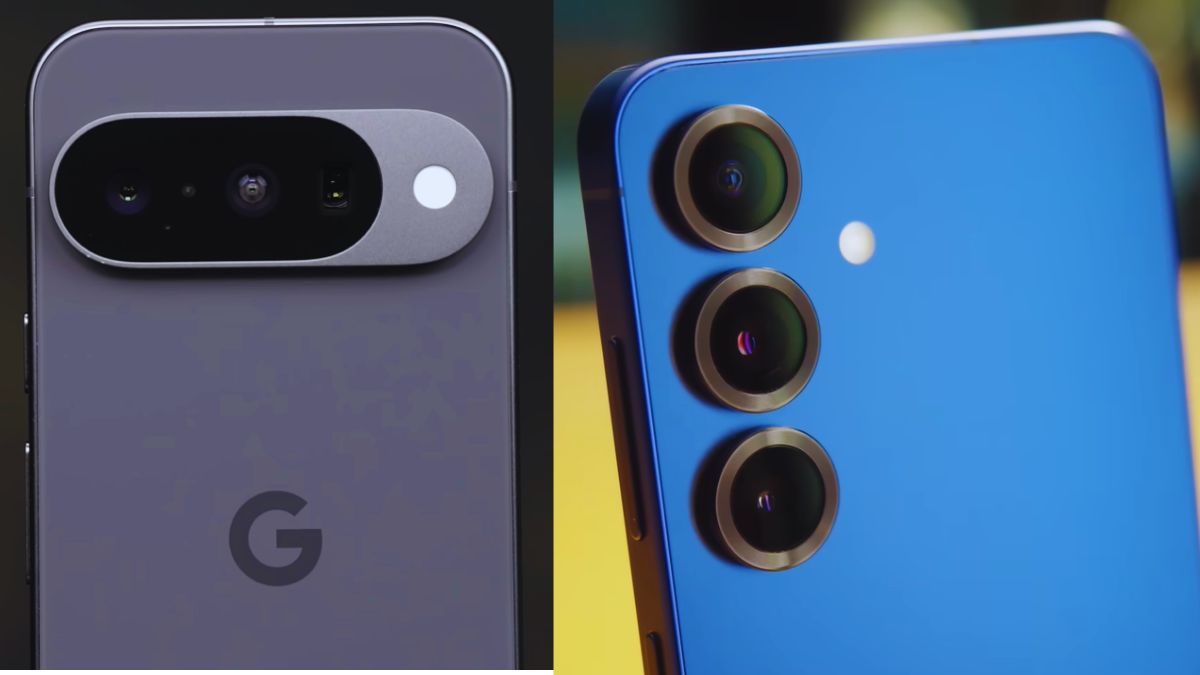
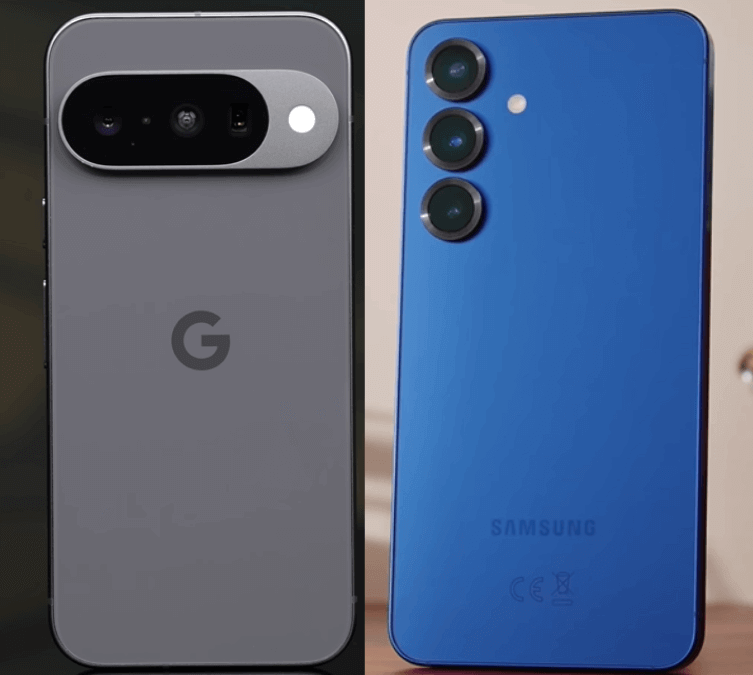
Google Pixel 10 and Samsung Galaxy S25 shown side by side for a flagship smartphone design.

The Pixel 10 was released on August 28, 2025, while the Galaxy S25 launched earlier on February 7, 2025. Both smartphones include a triple-camera setup and 12 GB of RAM, making them strong choices for photography, gaming, and everyday use.

First of all, let’s take a look at the full specifications of both phones.

When it comes to battery capacity, the Google Pixel 10 packs a larger 4970 mAh battery, while the Galaxy S25 comes with a 4000 mAh unit. Both phones support fast wired charging for quick top-ups. For wireless features, the Galaxy S25 offers Qi wireless charging along with reverse wireless charging, allowing you to power accessories or other devices. The Pixel 10, on the other hand, supports the newer Qi2 wireless charging standard, which is designed for more efficient and stable wireless charging. Overall, the Pixel 10 focuses on a bigger battery and newer wireless technology, while the Galaxy S25 provides the added convenience of reverse wireless charging.

Pixel 10 or Galaxy S25 which is better

In the Google Pixel 10 vs Samsung Galaxy S25 comparison, Both the Google Pixel 10 and Samsung Galaxy S25 are excellent flagship phones with powerful performance, smooth 120 Hz displays, triple-camera systems, and strong build quality at a similar starting price. The Pixel 10 is a better choice if you want a bigger battery, slightly faster charging, a brighter screen, and Google’s clean Android software with smart AI camera features. It’s especially good for users who care about battery life and simple, easy-to-use software.

The Galaxy S25 is the better option if you prefer a lighter and more compact phone that feels easier to hold, along with extra features like reverse wireless charging and more storage choices up to 512GB. Samsung’s One UI also offers many customization options for users who like more control over their phone. In short, choose the Pixel 10 for battery and clean software, but choose the Galaxy S25 if you want a lighter design and more extra features.

Posted on Leave a comment

Difference Between iPhone 16 and iPhone 17: Smart Reasons to Upgrade (or Not) – Essential Guide

Difference Between iPhone 16 and iPhone 17

Nowadays, the iPhone 17 is becoming more popular, and many people are talking about the difference between iPhone 16 and iPhone 17. In this post, we’ll look at how much the iPhone 17 has improved compared to the iPhone 16. With its latest upgrades and new features, the iPhone 17 is expected to be one of the best-selling smartphones of 2026. So, what exactly has changed, and which upgrades make the iPhone 17 stand out? Let’s take a closer look.

iPhone 16 vs iPhone 17 specifications

Specification iPhone 16 iPhone 17
Operating System iOS 18 iOS 26
Chipset Apple A18 Apple A19
Dimensions 147.6 × 71.6 × 7.8 mm(5.81 × 2.82 × 0.31 in) 149.6 × 71.5 × 8 mm(5.89 × 2.81 × 0.31 in)
Screen Size 6.1 inches 6.3 inches
Screen Resolution 2,556 × 1,179 pixels 2,622 × 1,206 pixels
Rear Camera 48 MP main + 12 MP ultra-wide 48 MP main + 48 MP ultra-wide
Front Camera 12 MP 18 MP
Weight 170 grams 177 grams


When you buy these phones from the market, the box includes only a 1-meter USB charging cable and documentation such as manuals and warranty information, along with the device itself. One of the biggest upgrade & notable difference between iPhone 16 and iPhone 17 is the starting storage:the iPhone 17 begins at 256GB, while the iPhone 16 started at 128GB. To put this into perspective, the 256GB version of the iPhone 16 was priced at $899 (U.S.) in 2024, whereas the iPhone 17 starts at $799 (U.S.) for 256GB. This makes the iPhone 17 not only upgraded but also more affordable for buyers.

The pricing is clear, so let’s make one more thing clear as well. At first glance, the iPhone 16 and iPhone 17 may look very similar in terms of design and size, but there is a noticeable difference in their dimensions. The iPhone 17 is slightly bigger than the iPhone 16 — it is around 2 mm taller, a little thicker, and features a larger 6.3-inch display, compared to the 6.1-inch screen on the iPhone 16.

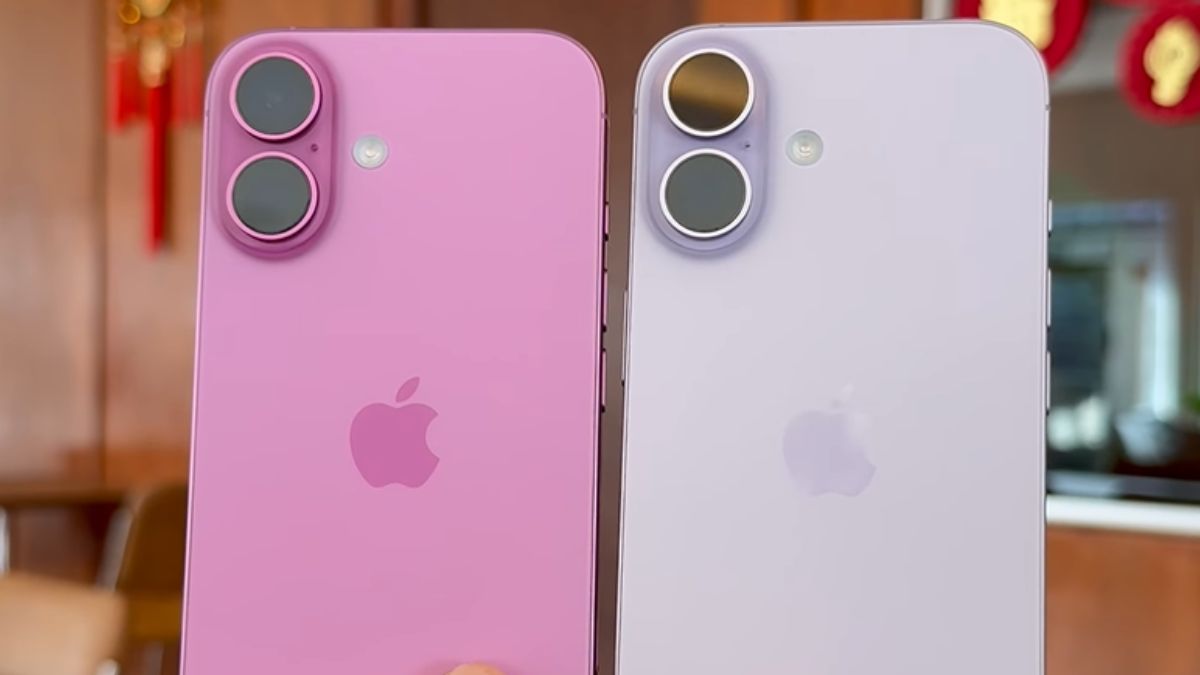
When viewed from the back, the difference between iPhone 16 and iPhone 17 can be seen in slight color changes, but both phones use Corning Gorilla Glass on the rear, while the side frame is still made from aluminum. Although the design feels almost the same, the iPhone 17 is slightly heavier at 177 grams, compared to 170 grams for the iPhone 16. However, this weight difference is hardly noticeable in daily use, as Apple has maintained a well-balanced design for both phones. Although the iPhone 17 is a little taller, it still feels comfortable to hold.

One thing I noticed is that if you are using the iPhone 17, people may still think you are using an iPhone 16 when they see the phone from the back. This is because there are no major changes in the rear design of both phones. However, the difference becomes clear when you look at the display. The iPhone 17 features thinner bezels, which allows it to offer a larger 6.3-inch display compared to the 6.1-inch screen on the iPhone 16, without making the phone much bigger — and this is what I liked the most.

Another big upgrade is the 120Hz refresh rate on the iPhone 17, compared to the 60Hz display on the iPhone 16, making scrolling and animations feel much smoother. When watching 4K content, both phones look very similar, but the difference is noticeable outdoors. The iPhone 17 is brighter and clearer, thanks to its 3000 nits peak brightness, compared to 2000 nits on the iPhone 16.

When it comes to speaker loudness, both the iPhone 16 and iPhone 17 feature dual stereo speakers that deliver clear and balanced sound. However, test results are slightly mixed — some measurements suggest the iPhone 16 may be a bit louder, while others show that the iPhone 17 still produces strong and rich audio overall. You’ll also find the same Face ID system on both phones, which works smoothly and reliably, but you can find noticeable differences in the camera system.

Camera Comparison:Difference Between iPhone 16 and iPhone 17

Camera Comparison: iPhone 16 Vs iPhone 17
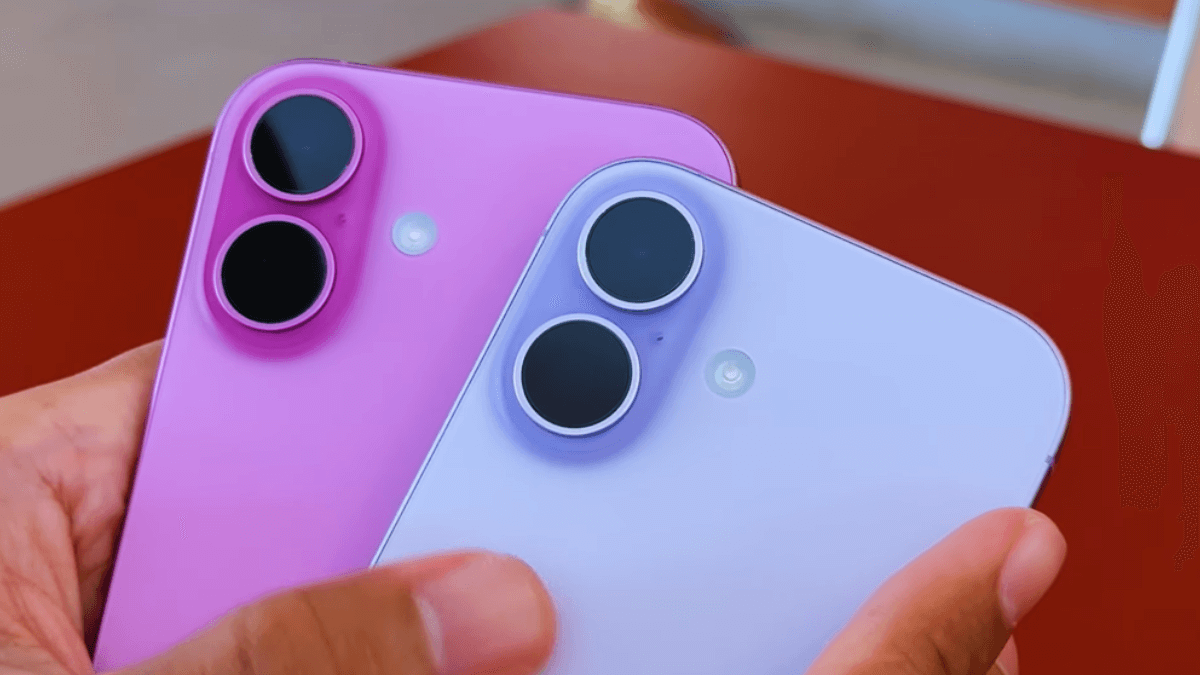
camera setup of iPhone 16 and iPhone 17, highlighting changes in lenses and camera design from left to right.

One key difference between iPhone 16 and iPhone 17 is the front camera: iPhone 17 comes with an 18MP front camera, while the iPhone 16 (Review) features a 12MP selfie camera. One noticeable upgrade in the iPhone 17’s selfie camera is the Center Stage feature, which helps capture a wider field of view in selfies.

At first glance, selfies taken from both phones may look very similar, but when you zoom in and check the details closely, the iPhone 17 clearly shows slightly better sharpness and clarity thanks to its higher-resolution 18MP sensor. That said, the improvement is not massive — it’s more of a refinement than a big jump.

The real camera upgrade appears on the back. The iPhone 17 now features a 48MP main camera and a new 48MP ultra-wide lens, whereas the iPhone 16 already had a 48MP main camera but only a 12MP ultra-wide lens. Both phones can capture a wide field of view using the ultra-wide camera, but the iPhone 17 delivers better color accuracy, improved details, and noticeably better low-light performance.

When it comes to the main camera, there is no major difference — both phones can capture excellent photos with similar colors and details. Portrait mode also remains largely the same, with 1× and 2× options available on both devices, producing similar-quality shots.

For video, both the iPhone 16 and iPhone 17 support 4K recording at 60fps, along with 120fps and 240fps slow-motion video, offering smooth motion capture. Video stability and color performance are excellent on both phones. The selfie camera also supports 4K video at 60fps on both devices.

Overall, the iPhone 17 does bring meaningful improvements to the selfie and ultra-wide cameras, even though the main camera experience remains very similar. But what about performance? Let’s take a look at how the two phones compare in terms of power and speed.

Performance Comparison: A18 vs A19 Chip

As you may already know, the iPhone 17 is powered by the A19 chip, while the iPhone 16 runs on the A18 chip, so the iPhone 17 naturally delivers better benchmark scores and overall performance. The Apple A19 chip offers faster performance, improved power efficiency, better graphics, and stronger AI processing, which results in smoother gaming, quicker app launches, and more efficient battery usage highlighting the difference between iPhone 16 and iPhone 17.

However, based on my usage, the heating performance feels almost the same on both devices. Even though the iPhone 17 feels smoother thanks to its 120Hz refresh rate, especially during scrolling and gaming, the overall experience is still very similar to the iPhone 16 in day-to-day use. You can play games smoothly on both phones, but heating is still noticeable, so while performance has clearly improved, thermal control hasn’t changed as much as expected.

Both phones can be upgraded to iOS 26 and offer the same design, similar UI, and the same overall software experience. I also expected bigger changes in Apple Intelligence, but personally, I didn’t notice any major difference between the two models. Now the real question is—is there any difference in battery performance? Let’s find out.

Battery Life & Charging: iPhone 16 vs iPhone 17

The difference between iPhone 16 and iPhone 17 can be seen in the battery as well: The iPhone 17 comes with a 3692 mAh battery, while the iPhone 16 packs a 3561 mAh battery, so there is a small increase in battery capacity. The iPhone 16 supports 25W fast charging, whereas the iPhone 17 upgrades to 45W fast charging, allowing the phone to reach a full charge in around 1 hour and 15 minutes, which is a noticeable improvement.

There is also a slight improvement in wireless MagSafe charging on both models, and both phones support 4.5W reverse wired charging. Overall, the iPhone 17 brings small but meaningful upgrades in battery capacity and charging speed. Now, let’s take a look at the overall changes and upgrades between the two devices.

Final Thoughts: iPhone 16 or iPhone 17 — Which One Should You Choose?

By now, you should have a clear idea of the differences between the iPhone 16 and iPhone 17 based on the comparison above. If you don’t currently own an iPhone 16 and your budget is $799, the iPhone 17 is a solid choice, as it offers the latest hardware and features in Apple’s current lineup.

However, if you are already using an iPhone 16, there is no strong reason to upgrade to the iPhone 17, as there are no major changes that you would truly miss. The iPhone 17 does offer a 120Hz refresh rate, but many users may not notice a big difference compared to a 60Hz display in everyday use. Similarly, the 18MP selfie camera sounds like a big upgrade on paper, but in real usage, photo and video colors remain very similar.

Even in terms of performance, the difference between the iPhone 16 and iPhone 17 is not dramatic in daily use. Overall, the upgrade is optional — if you want the latest model, you can go for the iPhone 17, but iPhone 16 users can comfortably skip this generation.

Posted on Leave a comment

OnePlus 13R review 2026 full specifications – Price, Features & Performance

OnePlus 13R review 2026 full specifications

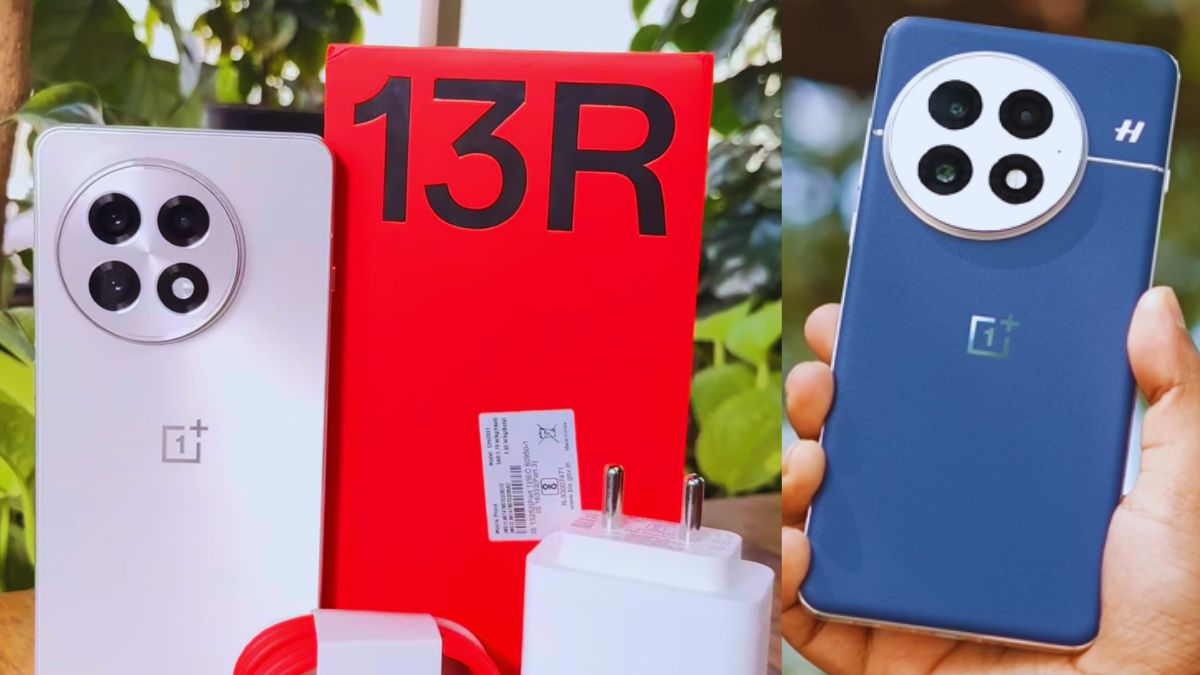
The OnePlus 13R, launched on 7th January 2025, brings flagship-level performance at a surprisingly affordable price. Featuring a large 6.78-inch AMOLED display with a 120Hz refresh rate and a powerful 6000mAh battery, this phone promises smooth performance for gaming, multitasking, and daily use. Powered by the Snapdragon 8 Gen 3 chipset and up to 16GB RAM, the 13R handles demanding apps and games with ease. In this OnePlus 13R review 2026 full specifications, we’ll explore its design, camera, battery, gaming performance, and other key features to help you decide if it’s the right phone for you.

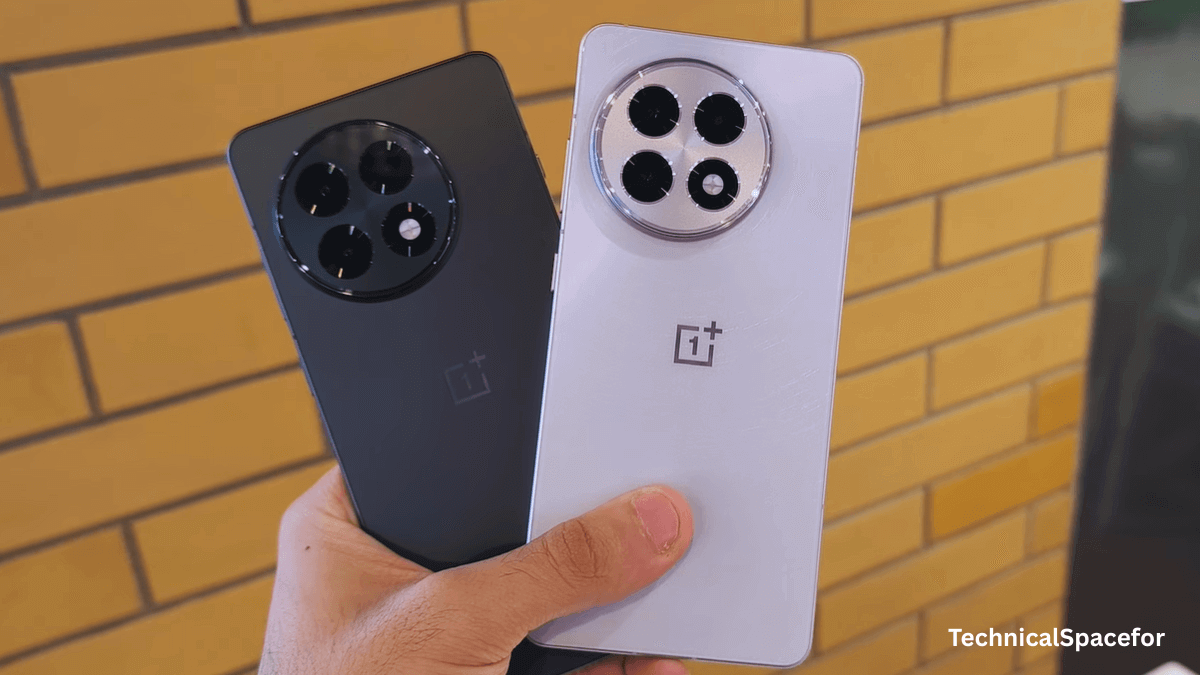
This Phone is  available in Nebula Noir (a darker/black shade) and Astral Trail (a lighter/white-ish shade) colour options.

  • Nebula Noir: A smooth, matte black finish that feels cool to the touch, like brushed aluminum, representing the depths of the night sky.
  • Astral Trail: A shimmering silver-white with etched concentric rings, evoking the beauty of star trails and celestial bodies. 
OnePlus 13R review 2026 full specifications
Available in two colors: Nebula Noir (matte black) and Astral Trail (silver-white).

OnePlus 13R specifications

  • Dimensions:161.72 x 75.77 x 8.02mm
  • Chipset: Snapdragon 8 Gen 3
  •  Operating System : Android 15, OxygenOS 15, up to 4 years of Android upgrades
  • CPU: Octa-core Qualcomm Kryo 980 @ up to 3.3 GHz
  • GPU: Adreno 750
  • Connectivity: 5G, 4G LTE, Wi‑Fi 6/6E (varies by region), Wi‑Fi 7, Bluetooth 5.3/5.4 with aptX HD, NFC, Infrared port, USB‑C, stereo speakers (no 3.5 mm jack).
  • Weight: 206 gram

Memory 

  • RAM & Storage: 12GB or 16GB / 256GB or 512GB
    The OnePlus 13R comes with either 256GB or 512GB of storage and offers 12GB or 16GB of RAM. It uses fast UFS 4.0 storage for quick app loading and smooth performance, but there’s no microSD slot, so the storage can’t be expanded.

OnePlus 13R display : Bright and smooth performance

  • Size & Type: 6.78-inches LTPO ProXDR AMOLED
  • Brightness: 1800 nits (HBM), Up to 4500 nits peak
  • Resolution: 2780 × 1264 pixels (~450 ppi)
  • Refresh rate: 1–120 Hz
OnePlus 13R display
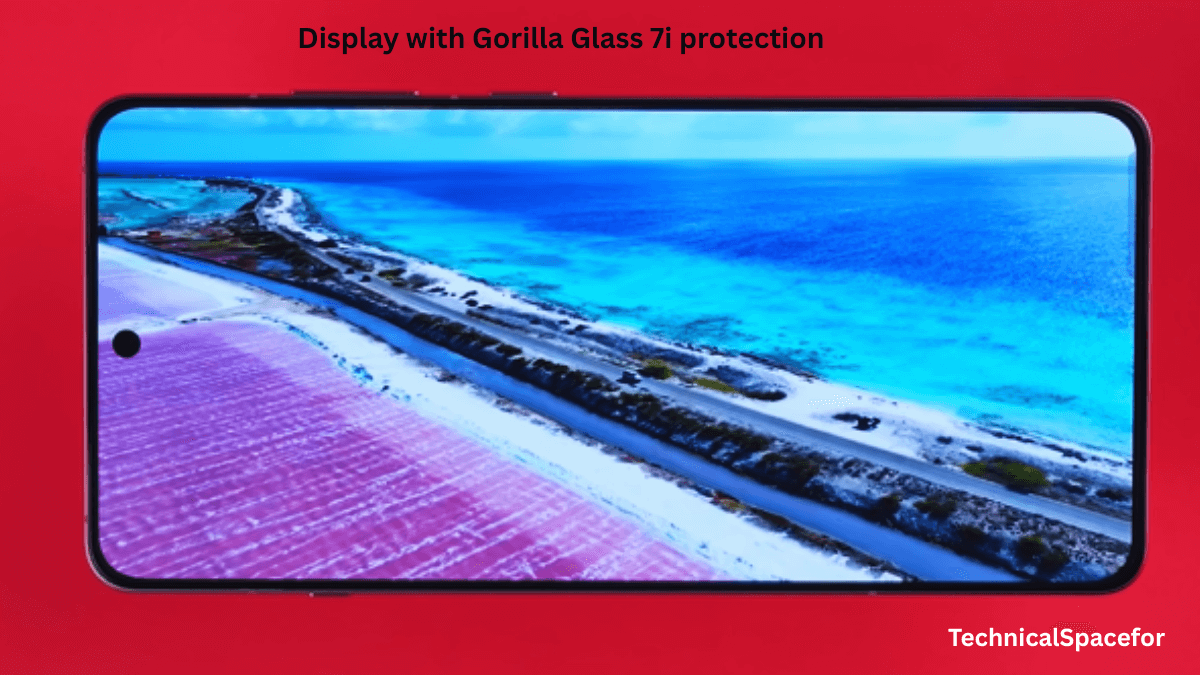
6.78-inch large display with Gorilla Glass 7i protection

The OnePlus 13R comes with a large 6.78-inch flat LTPO ProXDR AMOLED display, giving you a bright, colorful, and smooth viewing experience. Whether you’re scrolling through social media, watching movies, or playing games, the screen feels lively and responsive.

Thanks to LTPO technology, the refresh rate can adjust between 1Hz and 120Hz depending on what you’re doing—saving battery during static content and boosting smoothness during fast motion like gaming or animations. The resolution is sharp at 2780 × 1264 pixels, making text and images look crisp.

Brightness is another strong point here. The screen can reach around 1600 nits in normal outdoor use and shoot up to 4500 nits peak brightness in HDR scenarios, making it easy to see even under harsh sunlight. It also supports HDR10+ and Dolby Vision, so content from supported platforms looks richer with deeper contrasts.

Overall, the OnePlus 13R’s display feels premium, punchy, and well-optimized for both entertainment and everyday usage.

Build & Design 

The OnePlus 13R has a sleek and premium build. Its dimensions are 161.7 × 75.8 × 8.0 mm and it weighs 206 grams, making it slim and comfortable to hold. The phone features a glass front protected by Gorilla Glass 7i, an aluminum frame, and a glass back. The rear panel has a patterned matte finish, which gives it a stylish look while helping to reduce fingerprints.

The aluminum frame also has a matte finish, adding to the premium feel, although it can be a little slippery without a case. The device carries an IP65 rating, which means it is protected against dust and low-pressure water jets.

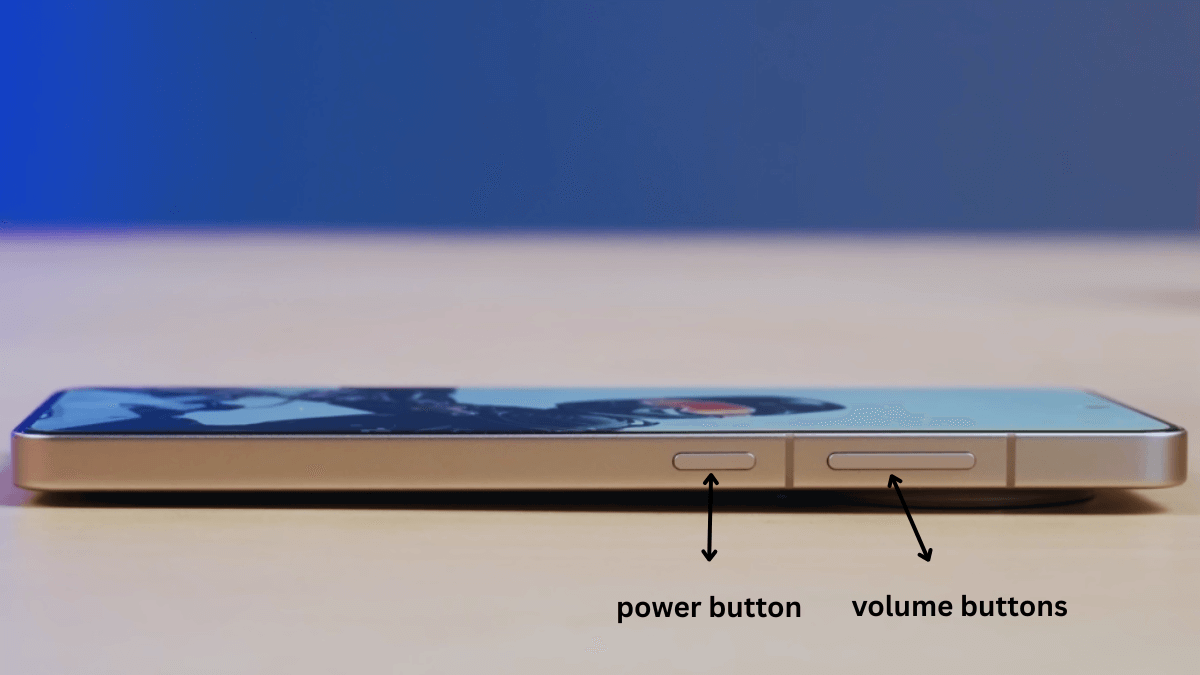
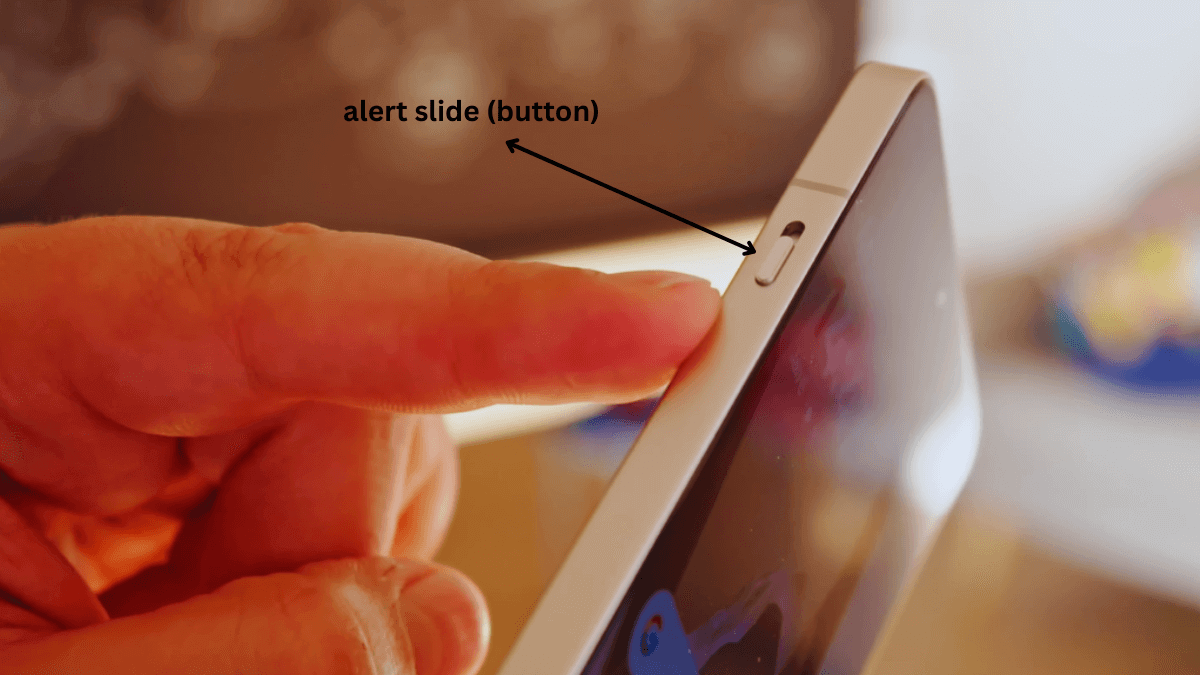
In terms of buttons and ports, the layout is simple and user-friendly. On the right side, you have the power button (for screen wake and lock) and the volume buttons. On the left side, there’s the familiar alert slider, allowing you to quickly switch between ring, vibrate, and silent modes.

OnePlus 13R review 2026 full specifications

OnePlus 13R review 2026 full specifications

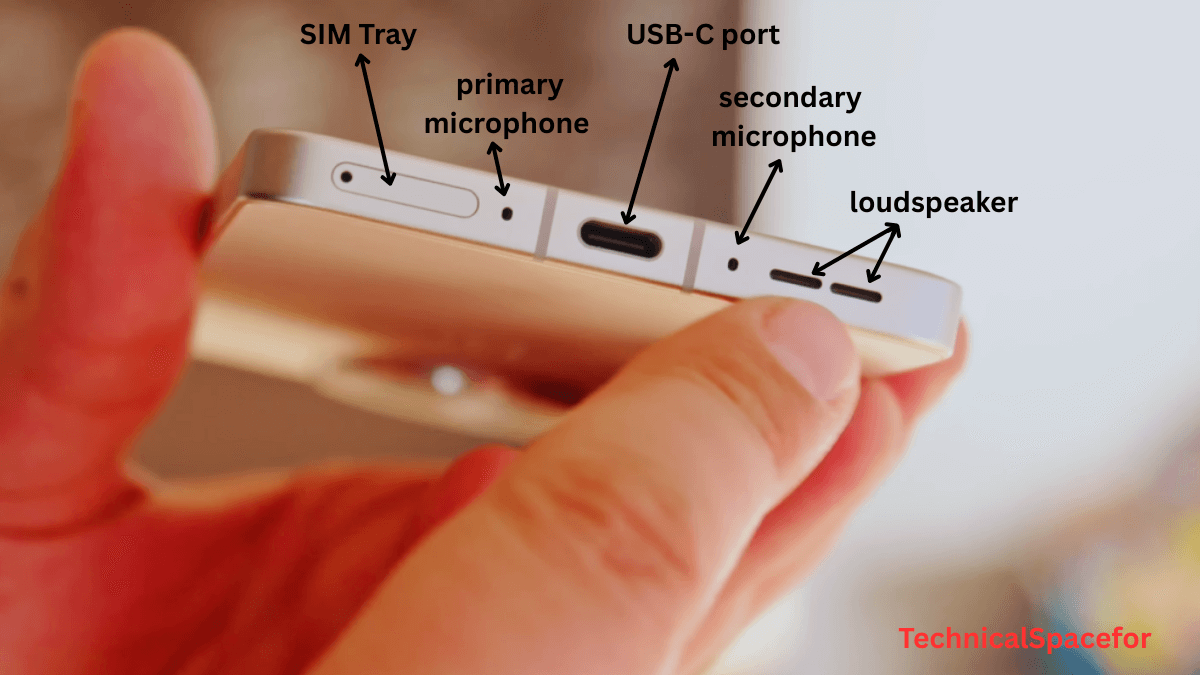
At the bottom, you’ll find the USB-C port, speaker, microphone, and the SIM tray. This phone also supports dual SIM, letting you use two numbers at the same time.

OnePlus 13R review 2026 full specifications
At the bottom, the OnePlus 13R houses the SIM tray, two microphones, a USB-C port, and the loudspeaker.

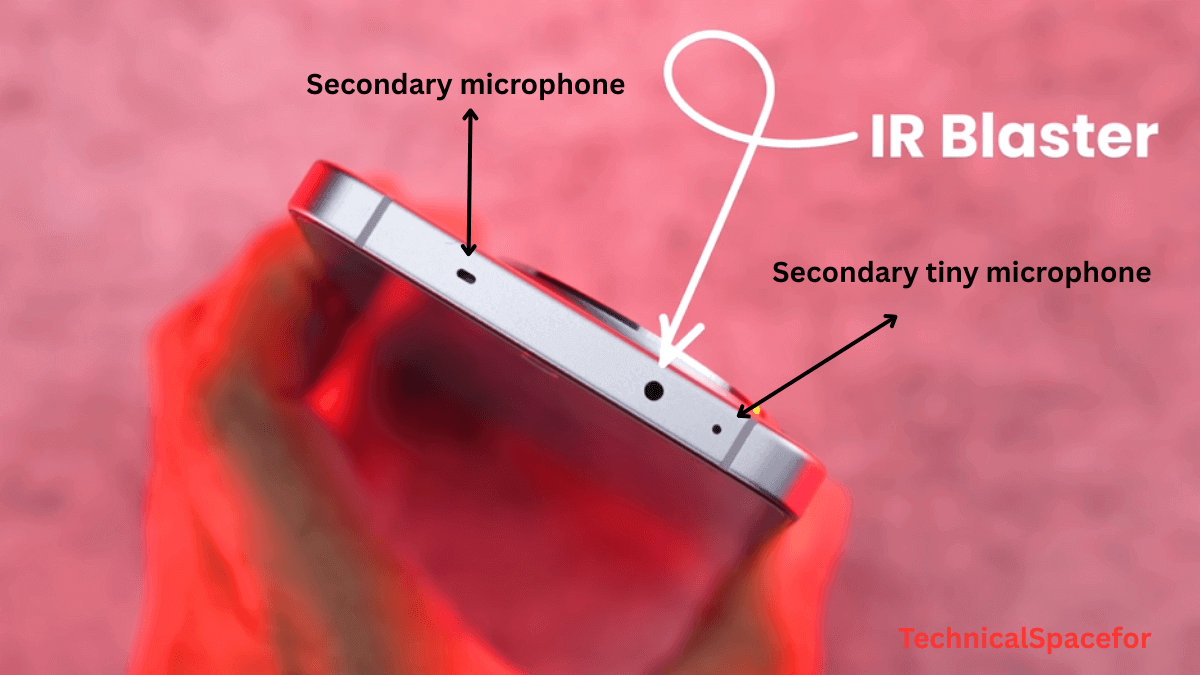
On the top, there’s a secondary microphone for noise reduction during calls and video recording, an IR blaster that lets you control TVs, ACs, fans, projectors, and more like a remote, and a tiny secondary mic/sensor opening used for fine noise control or internal calibration.

OnePlus 13R review 2026 full specifications
On the top, you can find the secondary microphone, IR blaster, and a tiny secondary mic.

OnePlus 13R Camera review

  • Main camera: 50MP
  • Telephoto camera: 50MP
  • Ultra-wide camera: 8MP
  • Front camera: 16MP

The OnePlus 13R comes with a triple rear camera setup, giving you a versatile photography experience for different shooting situations. It includes a 50MP main camera for everyday photos, a 50MP telephoto lens for zoom shots, and an 8MP ultra-wide lens for capturing wide landscapes and group photos.

The main 50MP camera handles most of the work. It delivers sharp and detailed images thanks to its wide f/1.8 aperture and advanced focusing system with OIS support, which helps keep shots stable even when your hands shake slightly. This makes it great for both daytime photography and low-light scenes.

If you like zooming in on subjects without losing quality, the 50MP telephoto lens is a strong addition. It offers 2× optical zoom, meaning it can get closer to the subject while still keeping details intact. Features like PDAF, EIS, and autofocus help maintain clarity and stability, making it useful for portrait shots or distant subjects.

For those wide scenic shots, the 8MP ultra-wide lens has you covered. With its 112-degree field of view, it fits more into the frame, making it ideal for landscapes, group photos, and creative angles. Stabilization support helps reduce motion blur when shooting on the go.

On the front, the OnePlus 13R features a 16MP selfie camera that can capture clear and natural-looking selfies. Its wide lens makes group selfies easier, and EIS helps keep video calls and selfie videos steady.

Video capture

  • Rear( Main & Ultra-wide) camera: 4K@30/60fps, 1080p@30/60/120/240fps
  • Front(selfie) camera: 1080p@30fps

Video performance is also solid. The rear camera can record up to 4K at 60fps for high-resolution footage, or up to 240fps in 1080p for slow-motion videos. Both OIS and gyro-EIS are included to smooth out handheld recording. The front camera shoots 1080p video at 30fps and also benefits from gyro-EIS stabilization, making it great for vlogging or social media clips.

Battery & Charging

  • Battery: 6000 mAh (non-removable)
  • Charging: 80 W  wired fast charging

OnePlus 13R review 2026 full specifications

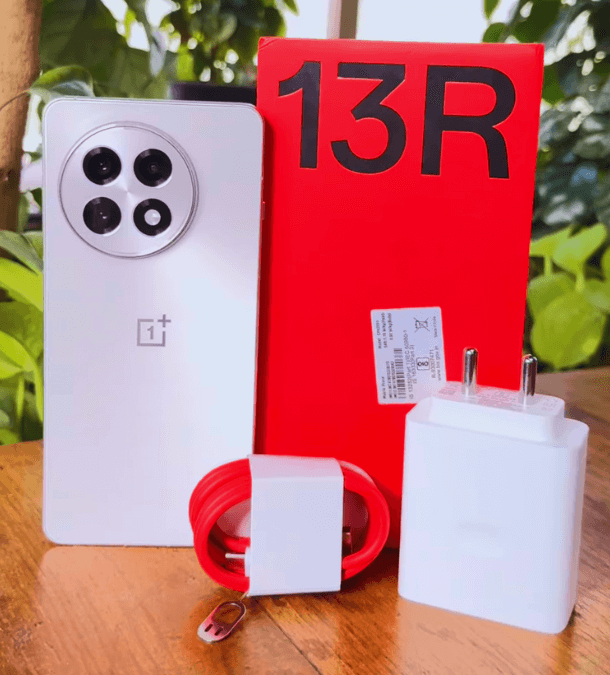
This phone packs a large 6000mAh battery, providing strong all-day endurance. It also supports 80W fast wired charging, which helps you recharge the device quickly. The best part is that the 80W charging adapter and cable is included in the box, so you don’t need to buy a separate charger However, the contents of the box vary by region.

Other features and gaming performance

The OnePlus 13R is packed with features that make daily use smooth and enjoyable. It comes with a haptic motor and vibration feedback for precise touch response and an in-display fingerprint sensor for quick and secure unlocking. The phone supports Dolby Vision and HDR10+, delivering vibrant colors and sharp visuals for movies and videos. With OxygenOS 15, users get smart AI features for notes, camera enhancements, and intelligent searches, all designed to make everyday tasks easier. Other handy features include the Alert Slider for quick silent mode, UFS 4.0 storage for fast app loading, and 80W fast charging to keep the large 6000mAh battery ready in no time.

When it comes to gaming, the OnePlus 13R truly shines. Powered by the Snapdragon 8 Gen 3 chipset and up to 16GB of RAM, the phone handles demanding games like Genshin Impact and Call of Duty Mobile with ease. The Adreno 750 GPU delivers smooth graphics at high frame rates, while the Dual-Cryo Velocity cooling system prevents overheating during long gaming sessions. HyperBoost Gaming Engine optimizes performance dynamically, so you can enjoy extended play without slowdowns. Add the 120Hz bright display and dual stereo speakers, and you get an immersive gaming experience with crisp visuals and rich sound.

OnePlus 13R price

The OnePlus 13R was launched at an affordable price for a flagship-level phone. In the US, the base model cost around $599, while in India, the 12GB/256GB variant started at approximately ₹42,999. This makes the 13R a strong option for anyone looking for high-end features like a large battery, Snapdragon 8 Gen 3 chipset, and advanced camera performance without breaking the bank.

Frequently asked questions

Pros and cons of OnePlus 13r

Pros

  •  Powerful Snapdragon 8 Gen 3 chipset
  • Large 6.78-inches LTPO ProXDR AMOLED display upto 4500 nits brightness
  • Premium design with IP65 rating
  • Excellent battery life fast of 6000mAh with 80W fast charging (wired )
  • Good camera performance.
  • Loud stereo speakers.

cons

  • Selfie cameras is weak
  •  Lack of wireless charging
  •  No expandable storage
  • Ultrawide camera lacks AutoFocus and 4K video recording
  • Very few markets get a adaptor & charger in the box.

What’s new in OnePlus 13R?

The OnePlus 13R features a Snapdragon 8 Gen 3 chipset, a 6.78‑inch 120Hz AMOLED display, a 6000 mAh battery with 80W fast charging, and a triple rear camera setup with improved performance and cooling.

What is the difference between OnePlus 13 and 13R?

The key differences between the OnePlus 13 and 13R are summarized in the table below.

Feature OnePlus 13 OnePlus 13R
Processor Snapdragon 8 Elite Snapdragon 8 Gen 3
Display 6.82″ QHD+ 6.78″ 1.5K
Rear Cameras 50 MP + 50 MP ultra-wide + 50 MP telephoto 50 MP + 8 MP ultra-wide + 50 MP telephoto
Front Camera 32 MP 16 MP
Charging 100 W wired, 50 W wireless 80 W wired, no wireless
Battery 6000 mAh 6000 mAh
Water/Dust Resistance IP68/IP69 IP65
Screen Protection Ceramic Guard Gorilla Glass 7i
RAM/Storage Options 12–24 GB RAM, 256 GB–1 TB 12–16 GB RAM, 256–512 GB
Price at Launch $899–$999 $599.99
Focus Full flagship with premium features Value-focused, strong specs at lower price


Conclusion : Is the OnePlus 13R a good phone?

Overall, the OnePlus 13R proves to be a very strong smartphone in 2026, especially considering its mid-range price. In this OnePlus 13R review 2026 full specifications, we saw how its Snapdragon 8 Gen 3 chipset, smooth 120Hz AMOLED display, long-lasting 6000mAh battery, and three capable rear cameras handle everyday tasks, gaming, videos, and multitasking with ease. The phone delivers flagship-level features like fast charging, a large immersive screen, and solid performance without the premium price tag of top-tier models. If you’re looking for great performance, excellent battery life, and strong overall value, the OnePlus 13R is definitely worth considering.

Additionally, compared to this model, the OnePlus 13 has a slightly larger display, a faster Snapdragon 8 Elite chipset, and better water and dust resistance than the 13R. Its camera and charging speed are also excellent. However, it costs around $300 more, so if you want a more affordable option, the OnePlus 13 ( review ) can be a great choice.

Posted on Leave a comment

Samsung Galaxy S26 Ultra Leaks: Release Date, Specs, Battery & Price – This Is What We Didn’t Expect

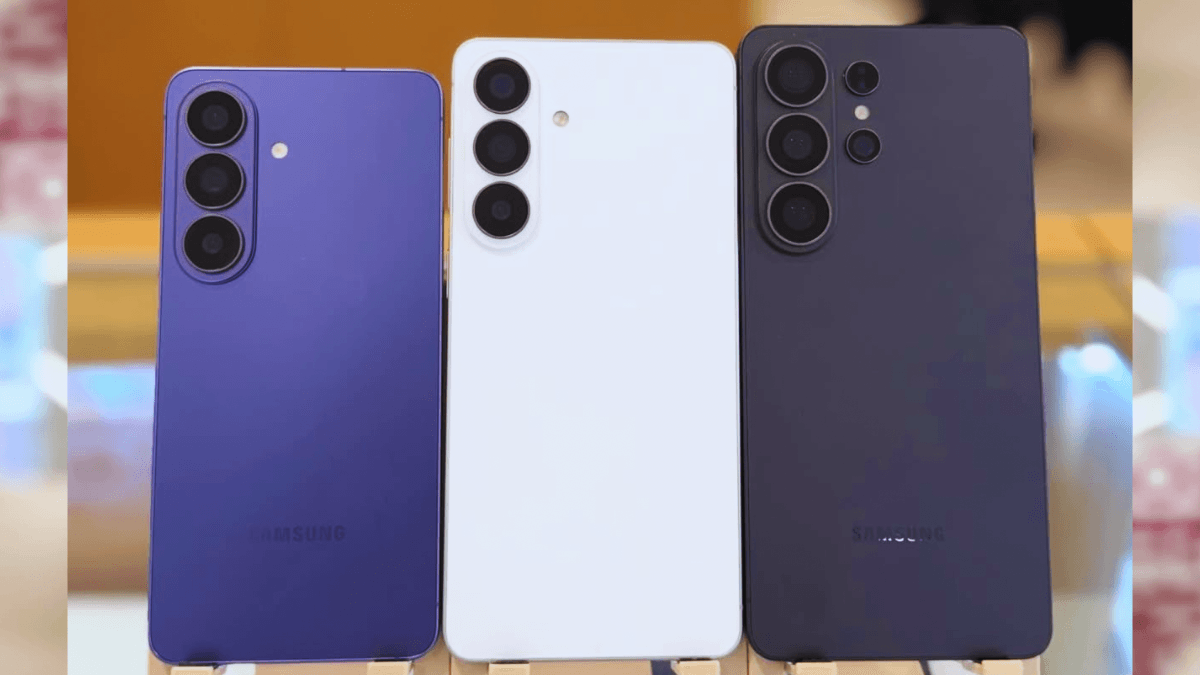
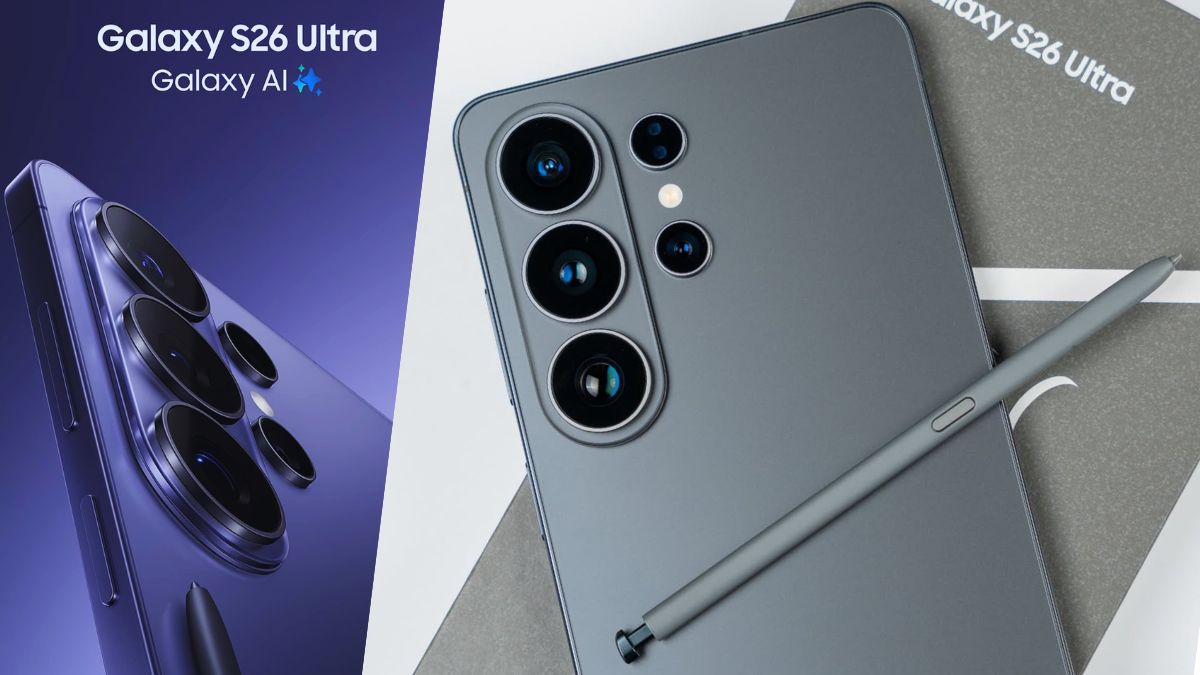
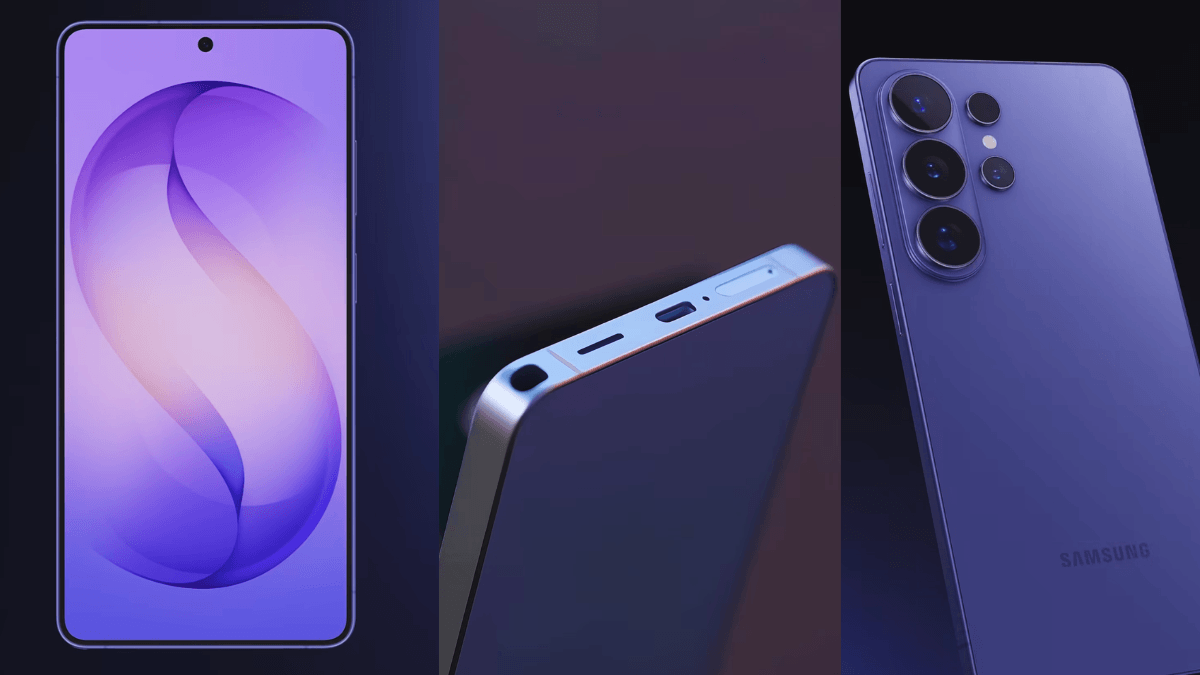
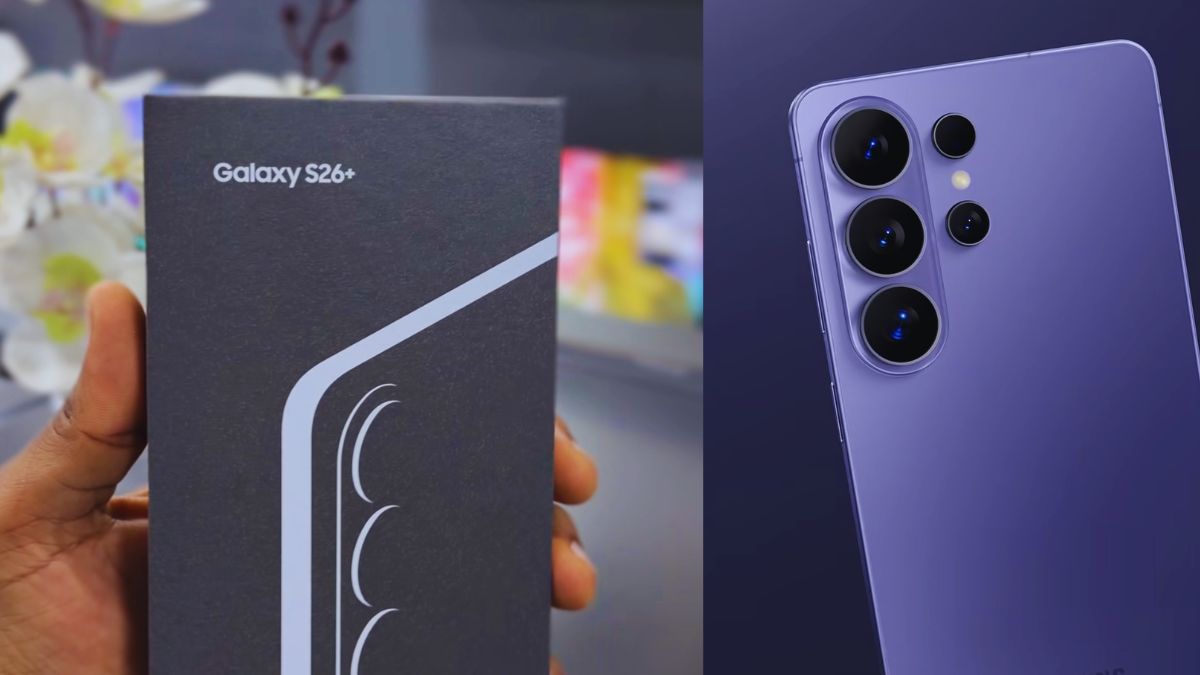
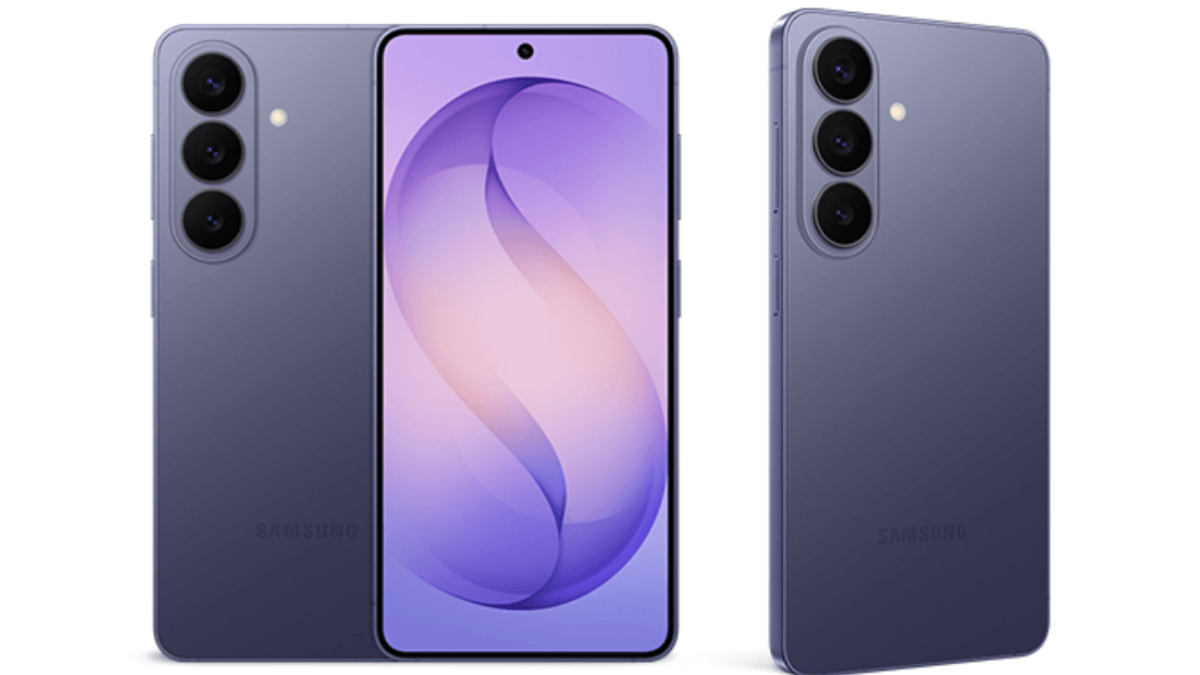
Samsung Galaxy S26 Ultra leaks showing expected design, camera and display

We all know that the Samsung Galaxy S26 Ultra is one of the most anticipated smartphones in the world. However, Samsung has not yet made any official announcement regarding the Galaxy S26 Ultra. According to leaks and rumors, the phone is expected to launch in January or February 2026.

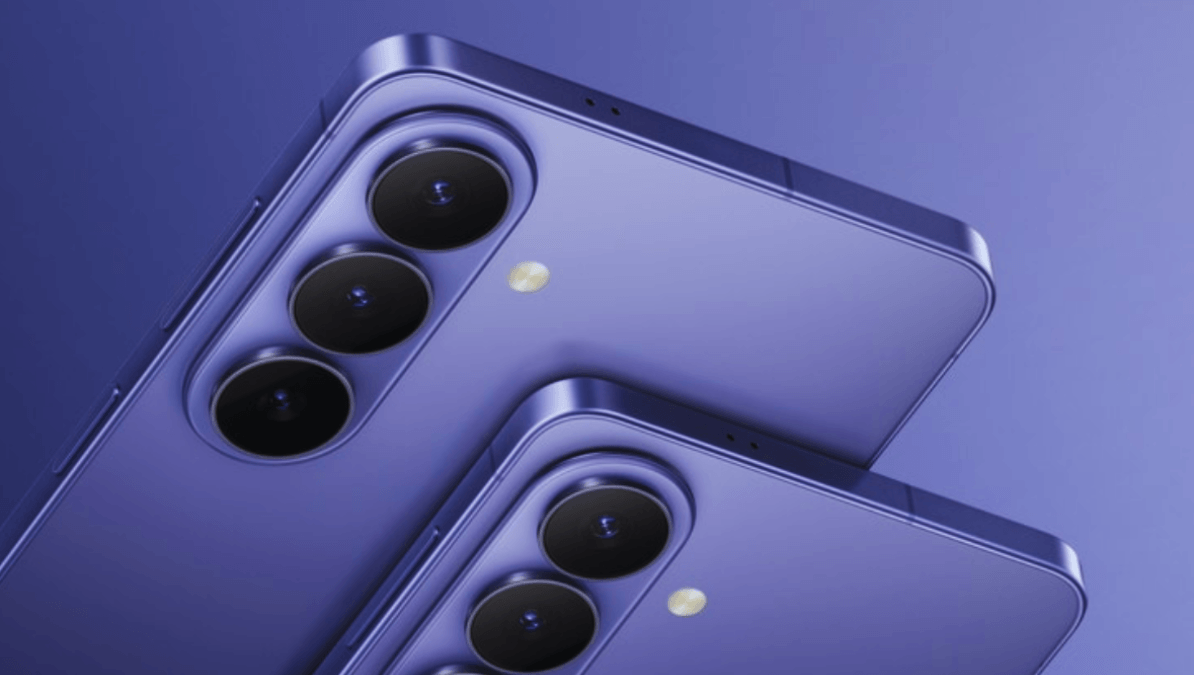
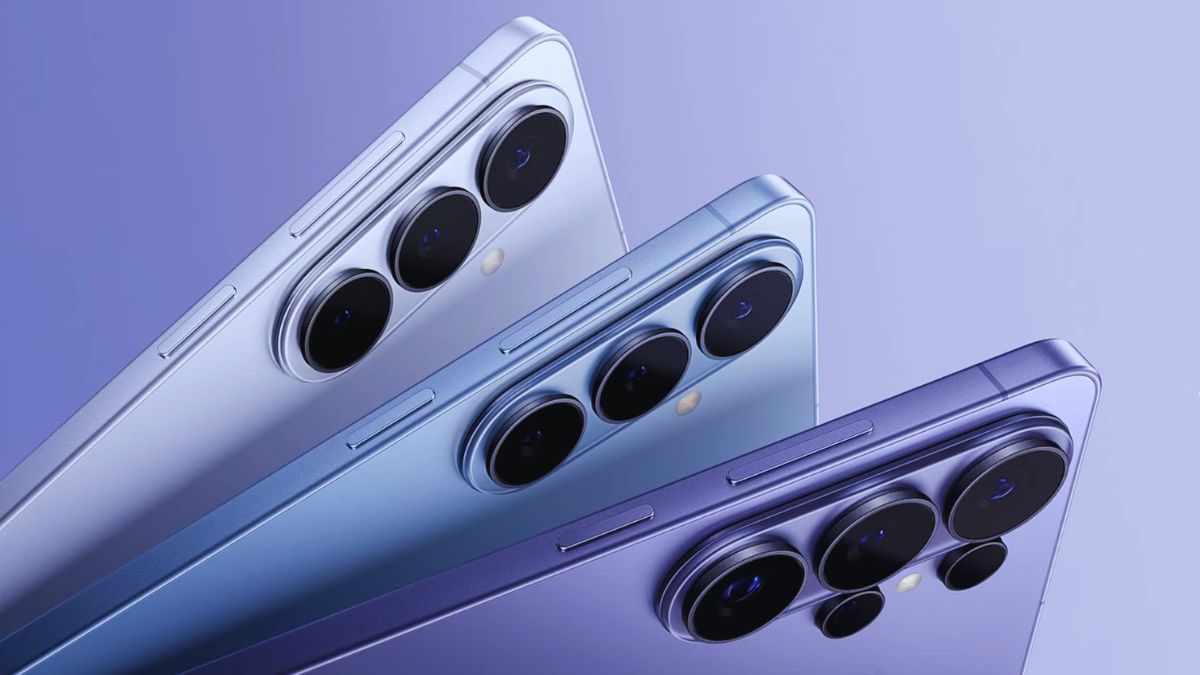
Samsung Galaxy S26 Ultra leaks showing rear design with triple camera setup
Rear view of the Samsung Galaxy S26 Ultra highlighting its triple camera system and premium design.

Recently, Samsung Galaxy S26 Ultra leaks have been trending across the internet, as many users expect this device to be one of the most powerful smartphones of 2026. Because of this excitement, people are eager to know about the Samsung Galaxy S26 Ultra release date, specifications, battery, price, and other details. As per rumors, the phone may feature a 200MP main camera and a 5000mAh battery.

Samsung Galaxy S26 Ultra specifications

The Samsung Galaxy S26 Ultra is expected to launch with Android 16 and come with many advanced features. If you are planning to buy this phone in 2026, it is important to check its specifications and expected price.

According to leaks and rumors, the phone may feature a 200MP camera, a 5000mAh battery, and the powerful Snapdragon 8 Elite Gen 5 chipset. In addition to these highlights, the Galaxy S26 Ultra is expected to offer several other premium features, which you can check in the specification table below.

The information below shows the leaked and expected specifications of the Samsung Galaxy S26 Ultra, based on current reports.

Category Details
Operating System Android 16, up to 7 major Android upgrades, One UI 8
Processor / Chipset Qualcomm Snapdragon 8 Elite Gen 5 (3 nm)
CPU Octa-core (Oryon V3)
GPU Adreno 840
RAM 12 GB / 16 GB
Storage 256 GB / 512 GB / 1 TB
Memory Card Slot No
Dimensions 6.44 × 3.07 × 0.31 inches / 163.6 × 78.1 × 7.9 mm
Weight 214 g
Display Size 6.9-inch
Display Type Dynamic AMOLED, 120 Hz, HDR, up to 3000 nits
Display Resolution 1440 × 3120 pixels
Protection Corning Gorilla Glass Armor 2
Biometrics Ultrasonic in-display fingerprint sensor
Rear Camera 200 MP (main) + 50 MP (ultra-wide) + 50 MP (periscope telephoto) + 12 MP (telephoto, 3×)
Front Camera 12 MP, HDR, 4K video @ 30/60 fps
Video Recording 8K @30 fps, 4K @60/120 fps, 1080p high-frame-rate, HDR10+, gyro-EIS
Battery 5000 mAh
Charging 60W fast charging, 35W wireless charging, 10W reverse charging
Connectivity 5G (SA/NSA), Wi-Fi 6 / 6E / 7, Bluetooth 5.4, NFC, UWB, USB-C, OTG
Audio Stereo speakers, no 3.5 mm headphone jack
Build Titanium frame, Gorilla Armor 2 glass
Water & Dust Resistance IP68

Samsung Galaxy S26 Display 

Samsung Galaxy S26 Ultra leaks showing a large Dynamic AMOLED display with 120Hz refresh rate
Samsung Galaxy S26 Ultra leaks reveal a large 6.9inch Dynamic AMOLED display with a smooth 120Hz refresh rate.

The phone features a 6.9-inch Dynamic AMOLED 2X display with a 1440 × 3120-pixel resolution and a 120Hz refresh rate. With up to 3000 nits of brightness, the display offers excellent visibility both indoors and outdoors, even under direct sunlight.

Samsung Galaxy S26 Camera 

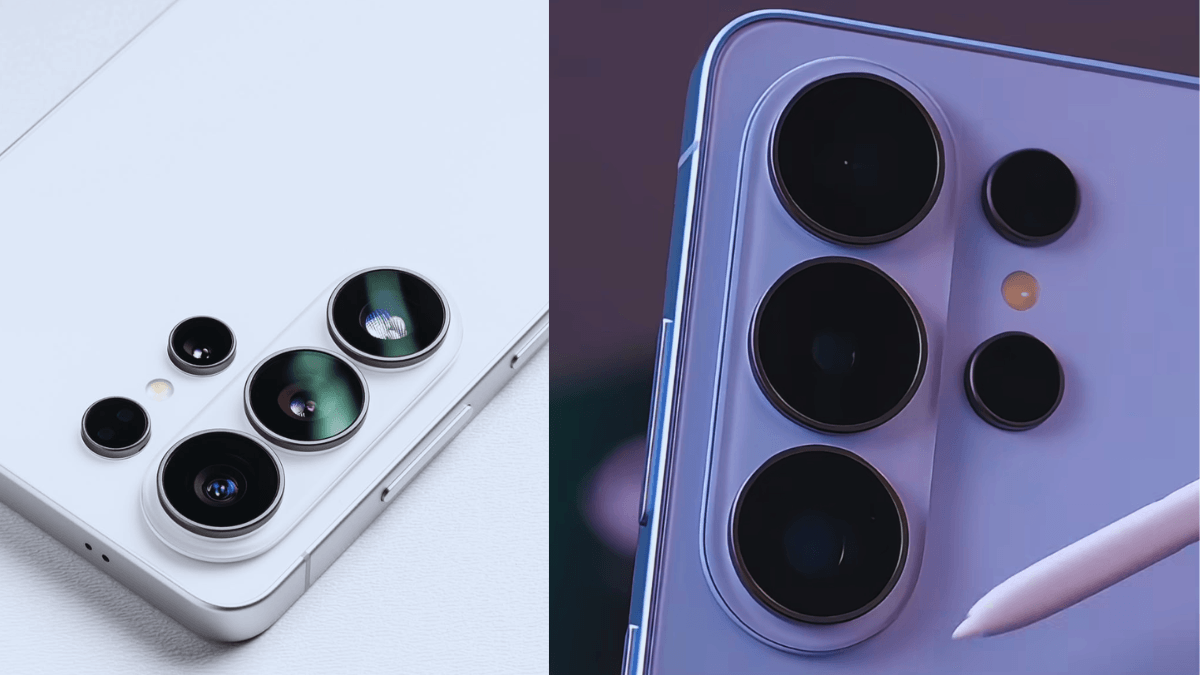
Samsung Galaxy S26 Ultra leaks highlighting the 200MP main camera
Samsung Galaxy S26 Ultra leaks suggest a powerful 200MP main camera with advanced video features.

This powerful phone features a 200MP main camera, a 50MP periscope lens, and a 12MP telephoto lens on the rear. The rear camera supports video recording at 8K @30 fps, 4K @60/120 fps, and high-frame-rate 1080p, along with advanced features such as HDR10+ and gyro-EIS.

On the front, the phone is expected to feature a 12MP camera that supports 4K video recording at 30/60 fps.

Samsung Galaxy S26 RAM & Storage 

For smooth performance, a phone needs sufficient RAM, and for storing files such as photos, videos, apps, and downloads, good storage capacity is essential. Keeping this in mind, Samsung is expected to offer the Galaxy S26 Ultra with 12GB and 16GB of RAM, along with storage options of 256GB, 512GB, and up to 1TB.

Samsung Galaxy S26 Ultra battery

Every smartphone needs a powerful, large-capacity battery so users can enjoy long usage without constantly worrying about charging. Keeping this in mind, the Samsung Galaxy S26 Ultra is expected to feature a 5000mAh battery, similar to the Galaxy S25 Ultra (review) .

In addition, the phone is expected to support 60W wired fast charging, 35W wireless charging, and 10W reverse charging for added convenience.

Samsung Galaxy S26 Ultra price

The Samsung Galaxy S26 Ultra is expected to launch in the first half of 2026. According to leaks, the phone may feature a 200MP main camera, a 5000mAh battery, and a display with up to a 120Hz refresh rate, making it a great option for photographers and power users.

The expected price range for this powerful flagship phone is around $1299.99–$1399.99 for the 256GB variant, $1499.99–$1599.99 for the 512GB model, and $1699.99–$1799.99 for the 1TB storage option.

Our Final Thoughts on Samsung Galaxy S26 Ultra Leaks

You should consider waiting for this phone if you are currently using the Galaxy S23 Ultra or Galaxy S24 Ultra. However, if you are using the Galaxy S25 Ultra, the upgrade may bring only minor changes, so it might not be worth waiting unless you want the latest model. Ultimately, the decision depends on your personal needs and preferences.

The Samsung Galaxy S26 Ultra is shaping up to be one of the most exciting flagship smartphones of 2026. Based on recent Samsung Galaxy S26 Ultra leaks, the device is expected to feature a 200MP camera, a powerful chipset, a high-refresh-rate display, and long battery life, making it a strong upgrade for Samsung fans and power users. However, since all details come from leaks and early reports, the final specifications and pricing may change at launch. Stay tuned for official updates as Samsung reveals more information in the coming months.

Posted on Leave a comment

OnePlus 13 Specifications, Release Date, Price & Top Cases – Worth the Hype?

OnePlus 13 Specifications

The OnePlus 13 was first released in China on November 1, 2024, and later launched globally on January 7, 2025. After its release, this smartphone has been gaining popularity due to its powerful features. People all over the world are eager to learn about the OnePlus 13 specifications, OnePlus 13 price, OnePlus 13 cases, and the OnePlus 13 vs OnePlus 13R comparison to understand the differences between these phones. The OnePlus 13 is a powerful smartphone that comes with a 50MP triple rear camera setup, a 6,000 mAh battery, and several other premium features. And This phone is available in three colors:

  1. Black Eclipse (textured black with woodgrain)
  2. Arctic Dawn (satin white/off-white)
  3. Midnight Ocean (blue vegan leather)
OnePlus 13 phone
OnePlus 13 Comes in Three Stunning Colors

OnePlus 13 specifications

This smartphone offers high-quality features and runs on Android 15. If you are planning to buy this phone, it is important to first check the OnePlus 13 specifications and price. Not only does it come with a triple rear camera setup and a 6,000 mAh battery, but it is also powered by the Snapdragon 8 Elite processor for powerful performance. Other key features are mentioned below in the table :

Specification Details
Release Date First released in China on November 1, 2024; globally launched on January 7, 2025
Operating System OxygenOS 15 based on Android 15
Display 6.82‑inch QHD+ LTPO AMOLED, 1–120 Hz refresh rate, 3168×1440 resolution
Processor (Chipset) Qualcomm Snapdragon 8 Elite Mobile Platform
CPU Octa‑core (Oryon cores up to 4.32 GHz)
GPU Adreno 830
RAM 12 GB / 16 GB
Storage 256 GB / 512 GB UFS 4.0
Rear Camera Triple camera: 50 MP main + 50 MP ultra‑wide + 50 MP telephoto
Front Camera 32 MP
Battery 6,000 mAh
Charging 100 W wired, 50 W wireless
Water Resistance IP68 / IP69 (varies by region)
Dimensions 162.9 × 76.5 × ~8.5 mm
Weight 210–213 g

OnePlus 13 Display

OnePlus 13 with 6.82‑inch AMOLED display and 1–120 Hz refresh rate – OnePlus 13 Specifications
a large 6.82‑inch AMOLED display with a 1–120 Hz refresh rate

The OnePlus 13 features a 6.82‑inch AMOLED display protected by strong “Ceramic Guard” glass, a super‑ceramic material designed to resist scratches and drops better than traditional smartphone glass. It offers a 3168×1440 resolution and a 1–120 Hz refresh rate, making every swipe, scroll, and gameplay buttery-smooth. The display also supports 800 nits typical brightness, 1,600 nits in High Brightness Mode (HBM), and up to 4,500 nits peak brightness, keeping the screen clear and readable even under direct sunlight.

OnePlus 13 Camera 

OnePlus 13 Camera 
High-Quality Triple 50 MP Rear Cameras with 32 MP Front Camera

The OnePlus 13 features a triple rear camera setup, including a 50 MP main camera, a 50 MP ultra-wide camera, and a 50 MP telephoto camera. You can shoot videos at 8K@30fps, 4K@30/60fps, and 1080p@30/60/240/480fps with Auto HDR, gyro-EIS, and Dolby Vision support. Additional features include laser focus, Hasselblad color calibration, a color spectrum sensor, dual-LED flash, HDR, and panorama mode.

The OnePlus 13 also features a 32 MP front camera, which can shoot videos at 4K@30/60fps and 1080p@30/60fps with gyro-EIS. It also supports HDR and panorama mode for high-quality selfies and video calls.

OnePlus 13 RAM &Storage 

In every phone, RAM is very important for handling multitasking, high-end gaming, and future updates smoothly without lag. The OnePlus 13 comes with 12 GB or 16 GB of RAM to ensure seamless performance. Storage is also crucial, as it provides plenty of space for apps, games, photos, and videos while enabling quick app launches, faster file transfers, and smooth overall operation. This phone offers 256 GB, 512 GB, and 1 TB storage options to meet different user needs.

OnePlus 13 Battery 

A powerful battery is essential for a good phone, and the OnePlus 13 comes with a 6,000 mAh battery that lets you use it for a long time on a single charge. It supports 100 W wired charging, allowing you to reach 50% in just 13 minutes and 100% in 36 minutes. The phone also features 50 W wireless charging, 10 W reverse wireless charging, and 5 W reverse wired charging.

OnePlus 13 Price 

When it first came out, the OnePlus 13 cost $899.99 for the 12 GB RAM + 256 GB storage model and $999.99 for the 16 GB RAM + 512 GB storage model. Prices may be different now depending on your country, so check the OnePlus official website for the latest price.

OnePlus 13 Cases

Phone cases are important for protecting your device, and the OnePlus 13 cases are widely available in the market, as shown in the picture below.

 OnePlus 13 Cases - Honeycomb Holes Heat Dissipation Case for the OnePlus 13.
For Magsafe Magnetic Honeycomb Holes Heat Dissipation Case for the OnePlus 13.
OnePlus 13 Cases
Sleek design meets reliable protection for the OnePlus 13.
OnePlus 13 Cases
Three premium magnetic styles cases—Magnetic Sandstone, Magnetic Wood Grain, and Magnetic Aramid Fiber from left to right—for the OnePlus 13.

OnePlus 13 vs 13r

OnePlus 13 vs 13r
OnePlus 13 and OnePlus 13R

There are a few differences between these models, and I’ve listed them in eight points to make it easy to understand.

  1. The OnePlus 13 has the newer Snapdragon 8 Elite chip, which makes it faster and more powerful. The OnePlus 13R uses the Snapdragon 8 Gen 3, which is still strong but a little slower than the 13.
  2. The OnePlus 13 has a bigger 6.82‑inch screen with a sharper QHD+ display, while the OnePlus 13R has a slightly smaller 6.78‑inch screen with a 1.5K display.
  3. The OnePlus 13 has a triple rear camera setup with a 50 MP main camera, a 50 MP ultra-wide camera, and a 50 MP telephoto camera, while the OnePlus 13R also has three rear cameras, including a 50 MP main camera, an 8 MP ultra-wide camera, and a 50 MP telephoto camera- a bit less advanced. For selfies, the OnePlus 13 features a 32 MP front camera, whereas the OnePlus 13R has a 16 MP front camera- also a bit less advanced compare to OnePlus 13.
  4. The OnePlus 13 supports 100 W wired charging and 50 W wireless charging, while the OnePlus 13R only supports 80 W wired charging and does not have wireless charging.
  5. The OnePlus 13 has better dust and water resistance (IP68/IP69) and a strong Ceramic Guard display, while the OnePlus 13R has slightly lower water resistance (IP65) and uses Gorilla Glass 7i.
  6. The OnePlus 13 offers more options, including 12 GB RAM with 256 GB storage, 16 GB RAM with 512 GB storage, and up to 24 GB RAM with 1 TB storage in some markets. The OnePlus 13R has fewer choices, usually 12 GB RAM/256 GB storage or 16 GB RAM/512 GB storage.
  7. When the OnePlus 13 was released, the price was $899.99 for the 12 GB RAM + 256 GB storage model and $999.99 for the 16 GB RAM + 512 GB storage model, while the OnePlus 13R was released at $599.99 for the 12 GB RAM + 256 GB storage model.
  8. The OnePlus 13 is a full flagship phone with better performance, cameras, and extra features. The OnePlus 13R focuses on value, offering strong specs at a lower price but with a few compromises.

Final Verdict: Should You Buy OnePlus 13?

Yes, you should consider buying the OnePlus 13 if you are interested in a high-quality camera, long-lasting battery, ample RAM and storage, and a large screen. You can take stunning photos and shoot high-quality videos with its triple 50 MP rear cameras and 32 MP front camera. The 6,000 mAh battery with 100 W fast charging allows you to use the phone all day on a single charge. High-performance gaming and streaming are smooth thanks to the 12 GB or 16 GB RAM and 256 GB or 512 GB storage options. The 6.82‑inch large AMOLED display with a 1–120 Hz refresh rate ensures smooth scrolling and gameplay. If these features are important to you, the OnePlus 13 is definitely worth considering. However, if you’re looking for a more budget-friendly option, the OnePlus 13R still offers strong specs at a lower price.

If you prefer video content, check out this detailed review of the OnePlus 13 by Marques Brownlee. It covers the phone’s design, camera, battery, and performance in depth.

Read more:
Posted on Leave a comment

Xiaomi Redmi Note 13 Pro Review: A Powerful Phone at a Smart Price

The Xiaomi Redmi Note 13 Pro, released on September 21, 2023, is a feature-packed mid-range smartphone that combines performance, design, and advanced camera technology. Equipped with a 5000 mAh ultra-large battery and 67W turbo charging, this phone keeps you powered throughout the day and charges quickly when needed. Its 6.67-inch AMOLED display features a 120Hz high refresh rate, 100% DCI-P3 wide color gamut, and an ultra-slim bezel, delivering silky-smooth visuals and vibrant, eye-catching colors. With the Xiaomi Imaging Engine, the Redmi Note 13 Pro offers fast and impressive photo capture, giving you more confidence with every shot. Built with an IP54 splash-proof design, this smartphone is both durable and stylish. In this Xiaomi Redmi Note 13 Pro Review, we’ll explore all the features, performance, and value this phone has to offer.

Xiaomi Redmi Note 13 Pro Review
Sleek, stylish, and durable — the Xiaomi Redmi Note 13 Pro stands out with its modern design and premium feel.

Specifications of Xiaomi Redmi Note 13 Pro

  • Operating system – Android 13, up to 3 major Android upgrades, HyperOS
  • Chipset – MediaTek Helio G99-Ultra /Qualcomm SM7435-AB Snapdragon 7s Gen 2 (4 nm)
  • CPU – Octa-core (4×2.40 GHz Cortex-A78 & 4×1.95 GHz Cortex-A55)
  • GPU – Adreno 710
  • Dimensions – 161.2 x 74.2 x 8 mm 
  • Camera – 200MP ( main ) +  8 MP ( ultra-wide ) + 2MP ( micro ) + 16MP ( front )
  • RAM –  8GB /16GB
  • Storage- 128/256GB/512GB
  •  Screen Size: 6.67-inch AMOLED display
  • Display Resolution: 1220 x 2712 pixels, 20:9 ratio (~446 ppi density)
  • Refresh Rate: 120 Hz
  • Brightness: Up to 1300 nits
  • Water and dust resistance – IP4X / IPX5
  • Weight – 189 gram
  • Thickness – 8mm
  • Connectivity – Wi-Fi 802.11 a/b/g/n/ac, dual-band, bluetooth 5.2, A2DP, LE
  • ColorsMidnight Black, Forest Green, and Lavender Purple
  • SIM – Nano-SIM + eSIM
  • Memory card – No Card Slot
  • Charging – USB Type-C 2.0, OTG
  • Headphone – 3.5mm headphone jack

Display Quality: AMOLED Panel and Refresh Rate

Xiaomi Redmi Note 13 Pro Review
Experience vibrant visuals and silky-smooth performance with the Redmi Note 13 Pro’s 120Hz AMOLED display.

The Redmi Note 13 Pro comes with a large 6.67-inch AMOLED display, delivering vibrant colors and deep blacks for a smooth and enjoyable viewing experience. It also features a 120Hz FHD+ AMOLED display, offering smooth scrolling, sharp visuals, and vibrant colors for an even better viewing experience.

The display has been optimized for improved touch recognition and control, helping prevent accidental triggers caused by water. This phone also features a secure in-screen fingerprint sensor, allowing you to unlock the device quickly and safely by touching the display.

The front of this smartphone is protected by Corning Gorilla Glass 5, which helps reduce scratches and improves durability against everyday drops.

This phone is protected by Corning Gorilla Glass 5, which helps reduce scratches and improves durability against everyday drops.

Design and Build Quality of Xiaomi Redmi Note 13 Pro

The Redmi Note 13 Pro features a front glass protected by Corning Gorilla Glass Victus, which offers strong protection against scratches and drops. The plastic frame helps keep the phone lightweight, while the glass back gives it a premium and stylish look.

This phone features a refined design with a stylish body, giving it a modern and premium look that feels comfortable in the hand. The slim 8.0 mm body further enhances comfort during daily use. Its ultra-thin 2.25 mm bottom bezel reduces unnecessary borders, providing a modern appearance and more screen space for videos, gaming, and everyday tasks.

The Xiaomi Redmi Note 13 Pro uses a USB Type-C charging port for fast charging and data transfer. It also comes with stereo speakers, delivering louder and more immersive sound when watching videos or playing games. The phone comes with stereo speakers with a 3.5mm headphone jack, supporting 24-bit/192kHz Hi-Res audio for high-quality sound when using wired headphones. In addition, the phone supports Hi-Res wireless audio, ensuring better sound quality when using compatible wireless earphones.

The Redmi Note 13 Pro features side-mounted buttons, with the power button and volume up/down keys placed for easy reach. Their placement makes one-handed use comfortable and convenient.

.

Camera Performance: Is the Redmi Note 13 Pro Good for Photography?

Xiaomi Redmi Note 13 Pro Review
Powerful 200MP triple camera setup with 16MP front camera for stunning photos and videos.

This phone features an ultra-clear 200MP main camera with Optical Image Stabilization (OIS). With a wide f/1.7 aperture, a large 1/1.4-inch sensor, and fast multi-directional PDAF, the camera captures sharp, detailed photos in both daylight and low-light conditions making the Xiaomi Redmi Note 13 Pro camera well suited for everyday photography.

The 200MP main camera supports 4× lossless zoom, also known as optical-grade lossless zoom, allowing you to zoom in without noticeable loss of detail.

The Redmi Note 13 Pro includes an 8MP ultra-wide camera with a 118° field of view, making it ideal for landscape shots and group photos. The f/2.2 aperture delivers good results in well-lit conditions.

The 2MP macro camera lets you take close-up photos of small details like flowers, textures, and objects from a short distance.

All three rear cameras—the main, ultra-wide, and macro lenses—support video recording up to 4K at 30fps and 1080p at 30/60/120fps. The phone also uses gyro-EIS to reduce shake for smoother videos. Additional camera features like Dual-LED dual-tone flash, HDR, and panorama mode help improve photo quality in different lighting and shooting conditions.

This phone features a 16MP front camera with a wide lens, designed for clear and natural-looking selfies. It supports 1080p video recording at 30/60fps, making it suitable for video calls and social media. Features like HDR and panorama mode help capture better selfies in different lighting conditions.

The Redmi Note 13 Pro uses a professional 7P optical lens with an ultra-low reflective coating, which helps reduce glare and ghosting while allowing more light into the sensor. Thanks to 16-in-1 pixel binning, the camera creates larger 2.24µm pixels, resulting in brighter, clearer photos—especially in low-light and night scenes. Overall, the Xiaomi Redmi Note 13 Pro camera delivers a versatile and reliable photography experience for everyday users.

Battery Life and Charging Speed

This smartphone is equipped with a large 5100 mAh battery, which easily lasts a full day of regular use, including browsing, video streaming, and social media. It also supports 67W turbo charging, allowing the phone to charge quickly and get back to use in a short amount of time. With 67W turbo charging, this phone can reach 50% charge in just 16 minutes and 100% in about 46 minutes, making it quick and convenient for daily use.

Price and Availability

The Xiaomi Redmi Note 13 Pro price at launch started from $309.99 in the USA, €189.86 in Europe, £194.99 in the UK, and ₹22,998 in India, making it a strong choice in the mid-range segment. It is available in various markets around the world through official stores and online retailers, giving users an easy way to buy this feature-packed device at a reasonable price. Check the Xiaomi Redmi Note 13 Pro official site to know about the current price.

Performance and Key Features

This smartphone is powered by the MediaTek Helio G99-Ultra, a 6nm octa-core processor designed to deliver smooth performance and efficient power usage. It handles everyday tasks like browsing, social media, streaming, and multitasking with ease, offering a reliable and responsive daily experience. Overall, the Xiaomi Redmi Note 13 Pro performance ensures smooth and efficient operation for daily use.

This phone also comes with several practical features that improve everyday use. A linear vibrator provides more precise and comfortable vibration feedback when typing or receiving notifications. It includes a 3.5mm headphone jack, allowing you to use wired earphones without needing an adapter.

An IR blaster lets you use the phone as a remote control for devices like TVs and air conditioners. In addition, multifunctional NFC supports contactless payments, quick data sharing, and smart card functions, making daily tasks faster and more convenient.

Final Verdict: Is the Xiaomi Redmi Note 13 Pro Worth Buying?

So, is the Xiaomi Redmi Note 13 Pro worth buying? For most users, the answer is yes. In this Xiaomi Redmi Note 13 Pro Review, we found that the 120 Hz AMOLED display, long-lasting 5100 mAh battery with 67W fast charging, and 200 MP camera system handle daily tasks, photos, and videos really well. It also includes useful features like a 3.5 mm headphone jack, IR blaster, and NFC for convenience. While the secondary cameras aren’t the best and the software may have extra apps you don’t need, the phone still offers great value for its price. If you want a solid mid-range phone with excellent display, battery life, and camera performance, this smartphone is a smart choice.

Read more :

Posted on Leave a comment

Xiaomi 14T Review: A Smart Choice for Power Users and Camera Lovers

Xiaomi 14T Review

Xiaomi 14T Review:The Xiaomi 14T was released on September 26, 2024, and it brings a great mix of performance, design, and features. It has a 6.67-inch AMOLED display that is bright and smooth, perfect for gaming, videos, and everyday use. The phone comes with a triple-camera setup—a 50MP main camera, 50MP telephoto, and 12MP ultra-wide—plus a 32MP front camera for clear selfies. With a 5000mAh battery and 67W HyperCharge, it lasts all day and charges quickly. The Xiaomi 14T is available in four colors: Titan Gray, Titan Blue, Titan Black, and Lemon Green, giving users stylish options to choose from.

Xiaomi 14T Review
A sleek smartphone with premium design, vibrant display, and robust performance

Xiaomi 14T specifications

  • Operating system – Android 14, up to Android 15, HyperOS 2
  • Chipset -Mediatek Dimensity 8300 Ultra (4 nm)
  • CPU – Octa-core (1×3.35 GHz Cortex-A715 & 3×3.20 GHz Cortex-A715 & 4×2.20 GHz Cortex-A510)
  • GPU – Mali G615-MC6
  • Dimensions – 160.5 x 75.1 x 7.8 mm 
  • Camera – 50MP ( main ) + 50 MP ( telephoto ) + 12 MP ( ultra-wide ) + 32MP ( front )
  • RAM –  12GB /16GB
  • Storage- 256GB/512GB/1TB
  •  Screen Size: 6.67-inch  CrystalRes AMOLED display
  • Display Resolution: 2712 × 1220 | 446 PPI
  • Refresh Rate: 144Hz
  • Brightness: Up to 4000 nits
  • Water and dust resistance – IP6X / IPX8 (immersible up to 2 m for 30 min)
  • Weight – 193 gram
  • Connectivity – Wi-Fi 802.11 a/b/g/n/ac/6e, dual-band, Wi-Fi Direct
  • Colors – Titan Gray, Titan Blue, Titan Black, Lemon Green
  • SIM – Nano-SIM + eSIM
  • Memory card – No Card Slot
  • Charging – USB Type-C 2.0, OTG

Design and Build Quality

Xiaomi 14T Review
Aluminum alloy frame with Gorilla Glass 5 front and stylish glass or PU leather back

The Xiaomi 14T features a premium design with an aluminum alloy frame and a choice of glass back or durable PU vegan leather finish, giving it a stylish and modern look. It measures 160.5 x 75.1 x 7.8 mm and weighs 193 grams, making it comfortable to hold. The phone supports Nano-SIM + eSIM and is IP68 certified, making it dust-tight and water-resistant up to 2 meters for 30 minutes. The front is protected by Corning Gorilla Glass 5, while the sides are sturdy and curved for a good grip. It has a USB Type-C port for fast 67W HyperCharge wired charging, though it does not include a 3.5mm headphone jack. The volume rocker and power button with fingerprint sensor are conveniently placed for easy access. Overall, the Xiaomi 14T combines a sleek, durable design with practical features for everyday use.

Display Quality and Viewing Experience

Xiaomi 14T Review
Bright, smooth, and vibrant 144Hz AMOLED screen with HDR10+

The Xiaomi 14T not only excels in camera performance but also offers an impressive display. It features a 6.67-inch AMOLED screen protected by Corning Gorilla Glass 5, delivering both durability and stunning visuals. The display supports 68 billion colors, a 144Hz refresh rate, and 2880Hz PWM, ensuring smooth scrolling and minimal eye strain. It also supports Dolby Vision and HDR10+, with high brightness modes of up to 1600 nits and a peak brightness of 4000 nits, making it bright and vivid even in direct sunlight. With a resolution of 1220 x 2712 pixels, a 20:9 aspect ratio, and a pixel density of ~446 ppi, the Xiaomi 14T provides sharp, detailed images and videos, making it ideal for both gaming and content consumption.

Xiaomi 14T camera performance

Xiaomi 14T Review
50MP main, 50MP telephoto, and 12MP ultra-wide cameras with Leica co-engineering

The Xiaomi 14T camera performance is excellent, featuring a versatile triple rear camera setup and a high-resolution front camera. The main 50MP camera has an f/1.7 aperture, 23mm wide lens, 1/1.56″ sensor, and 1.0µm pixel size, with PDAF and OIS. It can record video at 4K@24/30/60fps, 1080p@30/60/120/240/960fps, supports gyro-EIS, 10-bit Rec. 2020, and HDR10+. The 50MP telephoto camera has f/1.9, 50mm lens, 1/2.76″ sensor, 0.64µm pixels, PDAF, and 2x optical zoom. The 12MP ultra-wide camera has f/2.2, 15mm lens, 1/3.06″ sensor, and 1.12µm pixels. The triple rear cameras feature Leica lenses, Ultra HDR, LED flash, HDR, and panorama. On the front, the 32MP selfie camera has f/2.0, 25mm wide lens, 1/3.44″ sensor, and 0.64µm pixels, and can capture video at 4K@30fps and 1080p@30/60fps with HDR10+ and HDR support. Overall, the Xiaomi 14T delivers powerful camera performance for both photography and videography, offering detailed, bright, and vivid shots in every scenario.

Battery Life and Charging Speed

The Xiaomi 14T comes with a 5000mAh battery that easily handles a full day of heavy use. It supports 67W HyperCharge wired charging, letting you charge the phone to 100% in just 45 minutes. This fast-charging technology delivers extraordinary speed, making it convenient for users who are always on the go. Unlike the Pro model, the standard 14T does not support wireless charging, so you’ll need to rely on wired charging to power up quickly. Overall, the combination of a large battery and 67W HyperCharge ensures that the Xiaomi 14T keeps up with both gaming, photography, and everyday usage without worrying about running out of power.

Xiaomi 14T price and value

At launch, the Xiaomi 14T price and value was very competitive. In the USA, it was priced at around $599, in Europe it started at €649.90, and in the UK it launched at £549. Considering its premium design, triple-camera setup, 6.67-inch AMOLED display, 5000mAh battery with 67W fast charging, and IP68 water and dust resistance, the Xiaomi 14T offered strong value for money right from the release, giving users high-end features without the high-end price.

Software Experience and Features

The Xiaomi 14T is packed with premium features that make it a strong mid-to-high-range phone. It has a bright 6.67-inch AMOLED display with a 144Hz refresh rate, perfect for smooth scrolling and gaming. The triple cameras, co-engineered with Leica, include a 50MP main sensor that delivers sharp and detailed photos, while the MediaTek Dimensity 8300 Ultra chip ensures fast performance for apps and games. Its 5000mAh battery with 67W HyperCharge keeps the phone running all day and charges quickly when needed. The phone is also IP68 rated, has stereo speakers, and comes with advanced AI features. Everything runs on Android 14 with HyperOS, offering a clean interface, useful customization options, and extended software support, making the Xiaomi 14T a versatile and reliable choice for both everyday use and Xiaomi 14T gaming performance.

Final Verdict: Is Xiaomi 14T Worth Buying?

The Xiaomi 14T is a strong choice if you want a phone with a high-quality screen, good everyday performance, and long battery life without paying flagship prices. Its bright 144Hz AMOLED display, reliable MediaTek Dimensity 8300 Ultra performance, and fast 67W charging make it easy to use all day long. In this Xiaomi 14T Review, we found that the triple camera tuned with Leica takes solid photos, while the 5000mAh battery keeps you going through a busy day, and the phone’s IP68 water and dust resistance is a nice bonus. While the battery life and some camera aspects aren’t perfect, the Xiaomi 14T offers great value for money overall, making it worth buying for most users who want a premium experience without a premium price tag.

Read more :


Posted on Leave a comment

Xiaomi 13T Review: Premium Design, Smooth Display, and Strong Battery Life

Xiaomi 13T Review

The Xiaomi 13T was officially introduced on September 26, 2023, as a smartphone that balances strong performance with modern features, making it a solid choice for many users. In this Xiaomi 13T Review, the phone stands out with its MediaTek Dimensity 8200 Ultra chipset, which delivers smooth performance for daily tasks, gaming, and multitasking. It also comes with a large 6.7-inch display, offering an immersive viewing experience for videos and browsing. To support long usage, Xiaomi equipped the 13T with a 5000 mAh battery, ensuring reliable all-day power for everyday use.

Xiaomi 13T Review
A powerful all-rounder with a smooth display, strong performance, and long-lasting battery.

Specifications

    • Operating system – Android 13,  up to 4 major Android upgrades, HyperOS
    • Chipset – Mediatek Dimensity 8200 Ultra (4 nm)
    • CPU – Octa-core (1×3.1 GHz Cortex-A78 & 3×3.0 GHz Cortex-A78 & 4×2.0 GHz Cortex-A55)
    • GPU – Mali – G610 MC6
    • Dimensions – 162.2 x 75.7 x 8.5 mm (6.39 x 2.98 x 0.33 inch)
    • Camera – 50MP ( main ) + 50 MP ( telephoto ) + 12 MP ( ultra-wide ) + 20MP ( front )
    • RAM – 8G / 12GB
    • Storage- 256GB
    •  Screen Size: 6.67-inch  CrystalRes AMOLED display
    • Display Resolution: 2712 × 1220 | 446 PPI
    • Refresh Rate: 144Hz
    • Brightness: Up to 2600 nits
    • Water and dust resistance – IPX8 *  IP6X ( up to 1.5m for 30 min )
    • Weight – 197 gram
    • Connectivity – Bluetooth (Ver.5.4, wifi 2.4GHz). Wifi ( IEEE 802.11b/g/n/ax ,  5GHZ: IEEE 802.11a/n/ac/ax )
    • Colors – Alpine Blue, Meadow Green, Black
    • SIM – Nano-SIM + eSIM
    • Memory card – No Card Slot
    • Charging – USB Type-C 2.0, OTG

Design and features

Xiaomi 13T Review
A modern and slim design that feels comfortable and stylish in hand.

The Xiaomi 13T design and build focus on both style and everyday durability, making it one of the practical Xiaomi 13T features. The phone has a glass front protected by Corning Gorilla Glass 5, while the back comes in either a glass finish or a silicone polymer (eco-leather) option, paired with a plastic frame for a comfortable grip. With a slim 8.5mm thickness, the device feels sleek and easy to hold. It also offers IPX8 water resistance and IP6X dust resistance, giving extra protection against splashes and dust. For audio, the stereo speakers deliver clear and immersive sound. Additional Xiaomi 13T features include a USB Type-C 2.0 port with OTG support and Nano-SIM + eSIM compatibility, making it convenient for both daily use and travel.

Display: Smooth AMOLED Screen with Stunning Colors

The Xiaomi 13T display is one of the standout Xiaomi 13T features, offering a premium viewing experience for everyday use. It comes with a CrystalRes AMOLED display protected by Corning Gorilla Glass 5, making it both beautiful and durable. The screen supports a 144Hz refresh rate, which means smooth scrolling, fast response, and an excellent gaming experience. With up to 2600 nits brightness, the display stays clear and easy to read even under direct sunlight. The 2712 × 1220 pixel resolution combined with 446 PPI pixel density delivers sharp text and detailed visuals, while support for 68 billion colors ensures natural, true-to-life color reproduction for videos, photos, and apps.

Xiaomi 13T Leica Camera: A Big Upgrade for Photography Lovers

Xiaomi 13T Review
Capture clear photos and steady videos with the powerful triple-camera system of the Xiaomi 13T.

The Xiaomi 13T camera system offers a versatile and reliable photography experience for daily use. It features a 50MP main camera with an f/1.9 aperture, 24mm wide lens, PDAF, and OIS, allowing you to capture sharp and stable photos even in low-light conditions. For zoom shots, the phone includes a 50MP telephoto camera with an f/1.9 aperture, 50mm lens, PDAF, and 2x optical zoom, which is great for portraits and distant subjects without losing quality. The 12MP ultra-wide camera with an f/2.2 aperture and 15mm lens is ideal for landscapes and group photos.

On the front, the 20MP selfie camera comes with an f/2.2 wide lens, 0.8µm pixel size, and HDR support, and it records 1080p video at 30fps with HDR10+, delivering clear selfies and smooth video calls. For video recording, the Xiaomi 13T supports 4K at 30fps with HDR10+, as well as 1080p at 30/60/120fps with gyro-EIS, ensuring smooth and high-quality videos.

Xiaomi 13T Battery Life: All-Day Power with Fast Charging Support

The Xiaomi 13T battery life is designed to easily last through a full day of regular use. The phone comes with a 5000 mAh battery, which is great for browsing, watching videos, gaming, and daily tasks without worrying about frequent charging. When the battery runs low, 67W Xiaomi Turbo fast charging makes things very convenient, charging the phone up to 50% in just 15 minutes. A full charge takes only about 42 minutes, so you can quickly power up and get back to using your phone. Overall, the Xiaomi 13T battery life offers a strong balance of long-lasting power and fast charging speed for everyday users.

Xiaomi 13T Price: Is It Worth the Money?

When looking at the Xiaomi 13T price at launch, the phone offered strong value for its specs and features. At the time of its release on September 26, 2023, the Xiaomi 13T was officially priced around $490 USD for the base 8GB + 256GB model, making it a competitive choice in the mid-range segment with flagship-level performance, a large display, and capable cameras without breaking the bank.

Final thoughts : Should you buy this phone ?

In this Xiaomi 13T Review, the phone proves to be a well-balanced option for users looking for strong features at a reasonable price. It delivers a smooth AMOLED display, reliable camera performance, solid battery life with fast charging, and a modern design that feels premium in daily use. While it may not compete with ultra-flagship devices in every area, it offers excellent value for everyday users who want a dependable and feature-rich smartphone. Overall, if you’re looking for a stylish phone with a great display, capable cameras, and long-lasting battery performance, the Xiaomi 13T is definitely worth considering.

Read more

Posted on Leave a comment

Samsung Galaxy A25 Review: Affordable Price, Premium Features

Samsung Galaxy A25 Review

Welcome to this Samsung Galaxy A25 Review, where we take a look at one of Samsung’s most popular budget-friendly phones. The Samsung Galaxy A25 5G was announced on December 11, 2023, and officially released on December 16, 2023. It comes with a slim 8.3 mm (0.33 inches) body and a large 6.5-inch display, offering a comfortable and modern design. The phone includes a strong 5,000mAh battery, a triple camera system with a powerful 50MP main camera, and smooth performance powered by the Exynos 1280 chip. According to the Samsung Galaxy A25 specs, it also supports fast charging, has stereo speakers, and benefits from Samsung’s reliable software updates. These Samsung Galaxy A25 features make it a great choice for users who want solid performance at an affordable price.

Samsung Galaxy A25 Review
Samsung Galaxy A25 Front and Back Design Overview

Specifications – Samsung Galaxy A25 5G

  • Operating system : Android 14, up to 4 major upgrades, One UI 7
  • Processor : 2.4GHz, 2GHz
  • Chipset : Exynos 1280 (5 nm)
  • CPU : Octa-core (2×2.4 GHz Cortex-A78 & 6×2.0 GHz Cortex-A55)
  • GPU : Mali-G68
  • Dimensions : 161 x 76.5 x 8.3 mm (6.34 x 3.01 x 0.33 inch)
  • Screen : 6.5 inches ( 164.2mm )
  • Camera : 50MP Main + 8MP Ultra wide + 2MP Macro + 13MP Selfie
  • Storage : 128GB 4GB RAM, 128GB 6GB RAM, 128GB 8GB RAM, 256GB 6GB RAM, 256GB 8GB RAM with a powerful Exynos 1280 processor
  • Refresh rate : 120Hz
  • Weight : 197 grams (6.9 oz)
  • Connectivity : 5G, Wi-Fi 6 (802.11 a/b/g/n/ac), Bluetooth 5.3, NFC, and comprehensive location services (GPS, GLONASS, etc.), plus a USB-C port and a 3.5mm headphone jack
  • Colors : Blue Black, Blue , Yellow
Samsung Galaxy A25 Review
All three color options of the Samsung Galaxy A25, designed to match different styles and preferences.

Camera Performance & Features

Samsung Galaxy A25 Review
The triple camera system of the Samsung Galaxy A25, designed for clear and detailed everyday photos.

The Samsung Galaxy A25 5G comes with a versatile triple rear camera that makes taking photos easy and enjoyable. It has a 50MP main camera with an ƒ/1.8 aperture, OIS, and EIS, so your pictures stay clear and stable even when your hands move. The camera also supports LED flash, panorama, and HDR, and it can record videos in 4K@30fps and 1080p@30/60fps with gyro-EIS for smoother results. The phone also includes an 8MP ultrawide camera with an ƒ/2.2 aperture for wide landscape shots, and a 2MP macro camera with an ƒ/2.4 aperture for close-up photos. You also get digital zoom up to 10x on the rear camera. On the front, the 13MP selfie camera with an ƒ/2.2 aperture captures sharp selfies and records 1080p@30fps video. Overall, these Samsung Galaxy A25 features offer high-resolution photos, steady videos, wide-angle shots, and reliable performance, even though replacing the protective lens glass may be needed in some cases.

Design Quality and Display Experience

Samsung Galaxy A25 Review
The clean and minimal design of the Samsung Galaxy A25, built for comfortable everyday use.

This phone offers a clean and modern design with a comfortable feel in the hand. It comes with a 6.5-inch Super AMOLED display that delivers bright and vibrant colors, protected by Corning Gorilla Glass 5 for better durability. The screen supports 1,000 nits brightness (HBM) and Eye Comfort Shield, making it easy to use both outdoors and at night. The display has a 1080 x 2340 resolution, a 19.5:9 ratio, and around 396 ppi, giving you sharp and clear visuals for videos, browsing, and gaming. The body size is 161 x 76.5 x 8.3 mm, and it is built with a glass front, plastic frame, and plastic back, keeping it lightweight. The Samsung Galaxy A25 features also include Dual-SIM support, USB Type-C, and a 3.5mm earjack, which many users still appreciate. Overall, these Samsung Galaxy A25 specs make the Samsung Galaxy A25 5G a practical and user-friendly phone for everyday use.

Battery Life and Charging Performance

The Samsung Galaxy A25 5G comes with a large 5,000mAh battery that can easily last up to 2 days on normal use, making it very reliable for daily tasks. According to the Samsung Galaxy A25 specs, the phone offers up to 21 hours of video playback and up to 124 hours of audio playback, which is great for watching movies or listening to music for long periods. It supports 25W Super Fast Charging, so you can recharge the battery quickly, although the charger is sold separately. One thing to note is that wireless charging is not supported, but the fast wired charging is still very convenient. Overall, these Samsung Galaxy A25 features make the phone a strong choice for users who want long battery life and fast charging performance.

Price and Availability of A25 5G

The Samsung Galaxy A25 5G was launched at an affordable price, making it a good choice for budget-friendly users. In the United States, the Samsung Galaxy A25 price started at around $300 (specifically $299.99), offering strong value for its features. In Europe, the phone was released for around €300, which also placed it in the mid-range segment. With this pricing, the Samsung Galaxy A25 5G became easily accessible to many users looking for a powerful phone without spending too much.

Final Thoughts: Should You Buy the Samsung Galaxy A25?

In this Samsung Galaxy A25 Review, the phone is a good choice for people who want a reliable and affordable smartphone. The Samsung Galaxy A25 5G works smoothly for everyday tasks like watching videos, using apps, and browsing the internet. The Samsung Galaxy A25 features a clear display, a long-lasting 5,000mAh battery, and a 50MP triple camera that takes good photos. It also supports fast charging and has stereo speakers. Even though it doesn’t have wireless charging or top-end performance, it still gives great value for its price. Overall, if you need a simple, strong, and budget-friendly phone, the Galaxy A25 is a smart buy.

Read more :

Posted on 3 Comments

Xiaomi 15 Ultra Review: What Makes It the Potential Best Phone of 2025 ?

Xiaomi 15 Ultra Review

The Xiaomi 15 Ultra sets a strong first impression as a next-generation flagshi released on February 27, 2025, with a global launch on March 2, 2025. In this Xiaomi 15 Ultra Review, the phone shows how it blends a refined, classic design with the latest mobile technology. The device uses the powerful Snapdragon 8 Elite Mobile Platform built on a 3nm process, which helps it deliver fast, smooth, and efficient performance for both daily tasks and professional use. The phone also runs on Xiaomi HyperOS 2, giving it a cleaner, smarter, and more AI-driven user experience.

One of the biggest highlights of this phone is its new Leica Summilux optical lens system, which offers full focal-length coverage and makes it easy to capture beautiful, detailed photos in any situation. With its premium build, strong performance, and advanced camera features, the Xiaomi 15 Ultra clearly positions itself as one of the Best phones 2025 and stands proudly as a true Xiaomi 2025 flagship.

Xiaomi 15 Ultra Review
Xiaomi 15 Ultra – Experience unmatched performance, premium design, and next-gen mobile innovation.

Specifications

  • OS: Xiaomi HyperOS 2 (based on Android 15)
  • Dimensions: 161.3 x 75.3 x 9.35mm
  • Processor: Snapdragon 8 Elite chip
  • Camera : 50MP Main +  50MP ultra-wide + 50MP  telephoto (macro capable) + 200MP telephoto ( for distant subjects )  +  32 MP Front 
  • Screen : 6.73inch
  • Refresh rate : 120Hz LTPO AMOLED display
  • Brightness: Up to 3200 nits peak 
  • Resolution: 3200 x 1440 (WQHD+)
  • RAM: 12GB / 16GB LPDDR5X
  • Storage: 256GB / 512GB / 1TB UFS 4.0 
  • Durability: IP68 dust and water resistance 
  • Connectivity: Wi-Fi 7, Bluetooth 6.0, NFC, USB-C 3.2 
  • Weight : 226gram
  • Colors : Black, White, Silver Chrome, Green

Camera System: The Highlight of the Xiaomi 15 Ultra

Xiaomi 15 Ultra Review
Capture every moment with stunning clarity — powered by Xiaomi’s latest Leica Summilux optics.

This phone uses Xiaomi’s Guardian Structure and a refined camera-inspired design, giving it a strong and premium look. It has a round and smooth camera module, and it uses 3D camera deco with Corning Gorilla Glass 7i and an anti-scratch coating, making it tougher with 82% higher nanoindentation hardness. The camera system is powered by the next-gen Leica quad camera setup, and it includes a 1-inch 50MP main lens, a 50MP ultra-wide lens, a 50MP 70mm floating telephoto lens, and a 200MP 100mm periscope telephoto lens. All of these lenses are Leica-tuned, and they deliver natural colors, excellent clarity, and strong performance in both bright and low-light situations.

The main camera uses a 50MP 1-inch Sony LYT-900 sensor, and it supports variable focal lengths of 23mm, 28mm, and 35mm with an f/1.63 aperture and OIS for clear and stable shots. The ultra-wide camera is a 50MP Samsung sensor with a 14mm focal length, f/2.2 aperture, and a 6P lens, giving it sharp and wide landscape performance. The floating telephoto lens uses a 50MP Sony IMX858 sensor, and it offers a 70mm focal length, f/1.8 aperture, OIS, and the ability to take macro shots from just 10cm away. The periscope telephoto lens features a 200MP Samsung HP9 sensor, and it supports 100mm optical zoom and 200mm in-sensor zoom, letting it capture far-away subjects with high detail and strong low-light clarity. The front camera is 32MP, and it delivers sharp selfies with good color accuracy.

This phone uses Xiaomi’s AISP 2.0 AI photography system, and it enhances every photo by improving light, sharpness, and color automatically. The camera supports all-focal-length photography, and it gives users creative freedom from ultra-wide to long-range telephoto zoom. The lenses use advanced Sony and Samsung sensors, and they capture more light for stronger night performance. The 70mm floating telephoto lens provides excellent macro ability and spatial compression, making portraits look more professional. It also supports 67mm filters with an adapter, and this gives photographers more creative control like real camera equipment.

Overall, this phone delivers a powerful and flexible camera experience with excellent optical zoom, strong low-light performance, and pro-level features across all lenses.

Design & Build Quality

Xiaomi 15 Ultra Review
Xiaomi 15 Ultra – Premium Build, Iconic Design

The Xiaomi 15 Ultra has a premium design with a strong 6M42 high-strength aluminum frame that feels solid and comfortable in your hand. Its quad-curved wraparound frame is CNC-crafted, giving it a smooth and elegant look while still being very durable. This phone blends classic camera-style design with modern durability, making it stand out as a true Xiaomi 2025 flagship.

It also comes with IP68 dust and water resistance, so it can handle everyday accidents with ease. To keep performance smooth, it uses the Xiaomi 3D Dual-Channel IceLoop cooling system, which helps manage heat even during heavy tasks. The phone runs on the powerful Snapdragon 8 Elite chipset, and this makes it one of the Best phones 2025 in both performance and build quality. Overall, the Xiaomi 15 Ultra offers a tough, stylish, and premium design that feels great to use every day.

Display: Next-Level Visual Experience

Xiaomi 15 Ultra Review
Xiaomi 15 Ultra – Stunning UltraVision Display

The Xiaomi 15 Ultra has a beautiful 6.73-inch WQHD+ (3200×1440) LTPO AMOLED display that delivers sharp details and rich colors. This screen supports an adaptive 1–120Hz refresh rate, making everything feel smooth whether you are scrolling, gaming, or watching videos. It also gets extremely bright with up to 3200 nits peak brightness, so it stays clear even under strong sunlight. The phone features Xiaomi Shield Glass 2.0, which adds strong protection with +25% better drop resistance, helping the screen stay safe during daily use. Its All Around Liquid Display design with elegant curves and ultra-thin bezels gives it a premium, immersive look. For better video quality, the display supports Dolby Vision, HDR10+, and HDR Vivid, making movies and photos look more dynamic and realistic. Overall, this advanced screen easily makes the Xiaomi 15 Ultra one of the Best phones 2025 for display quality.


Battery Life & Charging Speed

The Xiaomi 15 Ultra comes with a strong 5410mAh battery, giving you enough power to last through a full day of heavy use. It supports 90W wired charging and 80W wireless charging, so even if the battery runs low, you can recharge it very quickly. This combination of a big battery and ultra-fast charging makes this phone reliable for gaming, streaming, and daily multitasking. Although the charger needs to be purchased separately, the overall battery experience is still excellent. With such impressive battery performance, the Xiaomi 15 Ultra stands out as a true Xiaomi 2025 flagship and easily ranks among the Best phones 2025 for users who want long-lasting power and fast charging.

Key Features of Xiaomi 15 Ultra

Xiaomi 15 Ultra features the next-generation Xiaomi Guardian Structure, crafted with exquisite detail, like the new form high-strength aluminum frame, Corning Gorilla Glass 7i protected camera deco, and durable back, giving users a more reassuring experience.

The brand-new photography kit features an innovative detachable shutter button and thumb support. The exclusive Fastshot mode interface provides a new-level Leica shooting experience.

Price and Availability

The Xiaomi 15 Ultra is priced at $1,335.81 in the United States, £895.00 in the United Kingdom, and €847.40 in countries like Germany, France, and Spain. This makes it a premium flagship phone, but still more affordable than many other top-level devices in the same category. For users who want powerful performance, an advanced camera system, and a stylish design, the Xiaomi 15 Ultra offers strong value for its price in every region.

Final Verdict – What Makes It the Potential Best Phone of 2025 ?

The Xiaomi 15 Ultra stands out as one of the strongest candidates for the Best phones 2025 title because it delivers an excellent balance of performance, design, and camera quality. With its powerful Snapdragon 8 Elite chip, advanced Leica camera system, strong battery life, and premium build, this phone offers everything users expect from a true flagship. Its display, fast charging, and AI-powered HyperOS 2 experience make it even more reliable for daily use and creative work.

When looking at the overall package, this device truly shows why many people consider it one of the most complete smartphones of the year. In this Xiaomi 15 Ultra Review, it becomes clear that the 15 Ultra is not just another high-end phone—it is a serious Xiaomi 2025 flagship that has the potential to be the best phone of 2025.

Read more: