Posted on Leave a comment

iPhone 17 vs Google Pixel 10: Which Is Better? (Powerful Battle Explained)

iPhone 17 vs Google Pixel 10

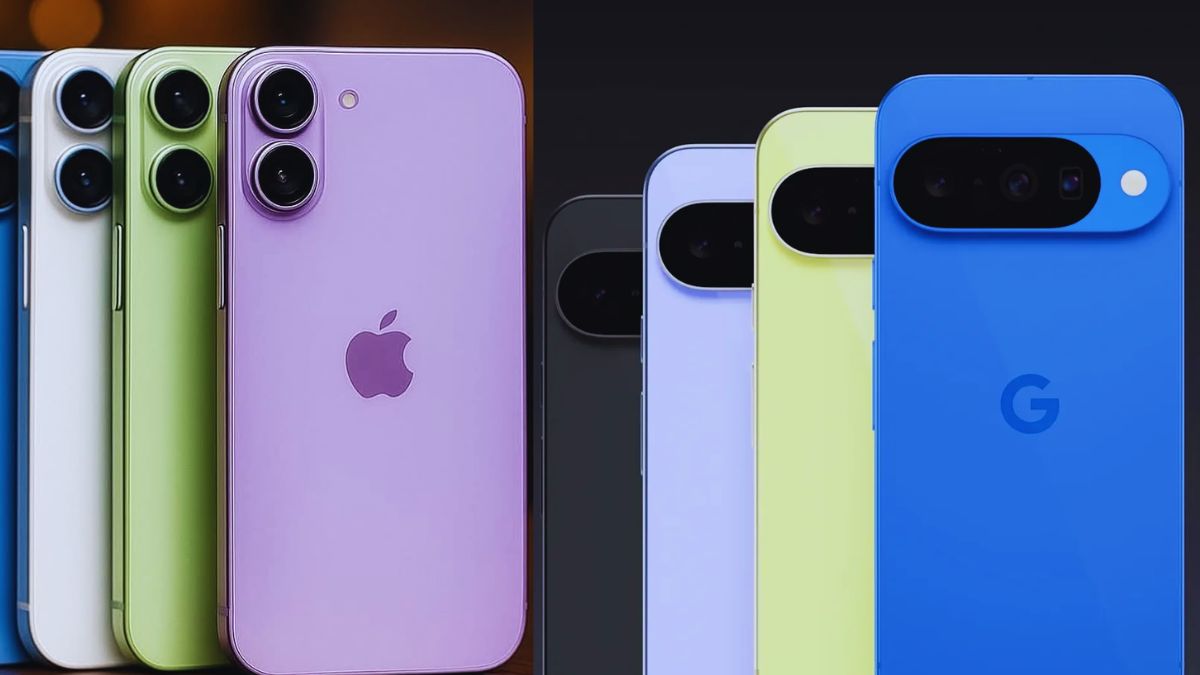
Choosing between the Apple iPhone 17 and the Google Pixel 10 isn’t easy. Both are flagship smartphones packed with cutting-edge features, powerful hardware, and advanced AI capabilities.
In this iPhone 17 vs Google Pixel 10 comparison, we’ll break down everything you need to know—from design and performance to camera quality and battery life. Whether you’re upgrading your phone or switching ecosystems, this guide will help you decide which device is right for you.
iPhone 17 vs Google Pixel 10
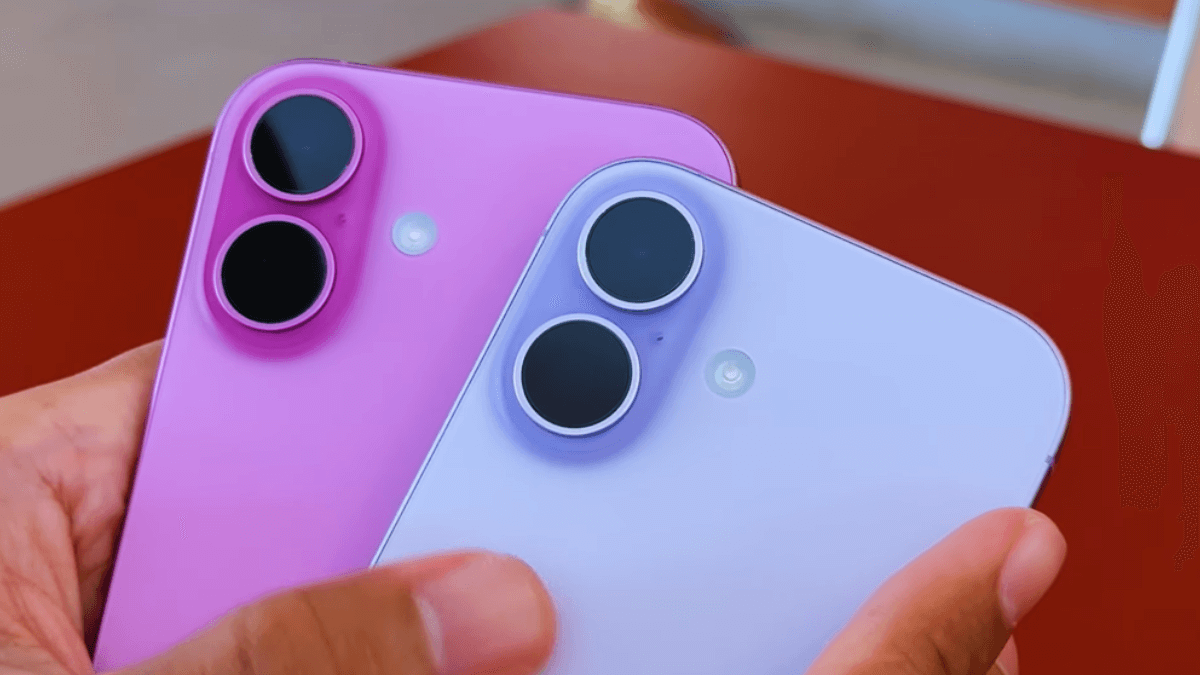
comparison of the iPhone 17 and Google Pixel 10, highlighting design, performance, and smart features.

iPhone 17 vs Google Pixel 10: Which Is Better?

👉 The iPhone 17 is better if you want smoother performance, a brighter 120Hz display, better video quality, and a premium, lightweight design with powerful A19 performance. However, the Pixel 10 is better if you prefer AI features, a better zoom camera, longer battery life, and a more affordable phone with a clean Android experience.

We can make a decision based on these features, but let’s take a closer look at them, along with other important factors, step by step.

Design and Display Comparison

Build Quality and Design

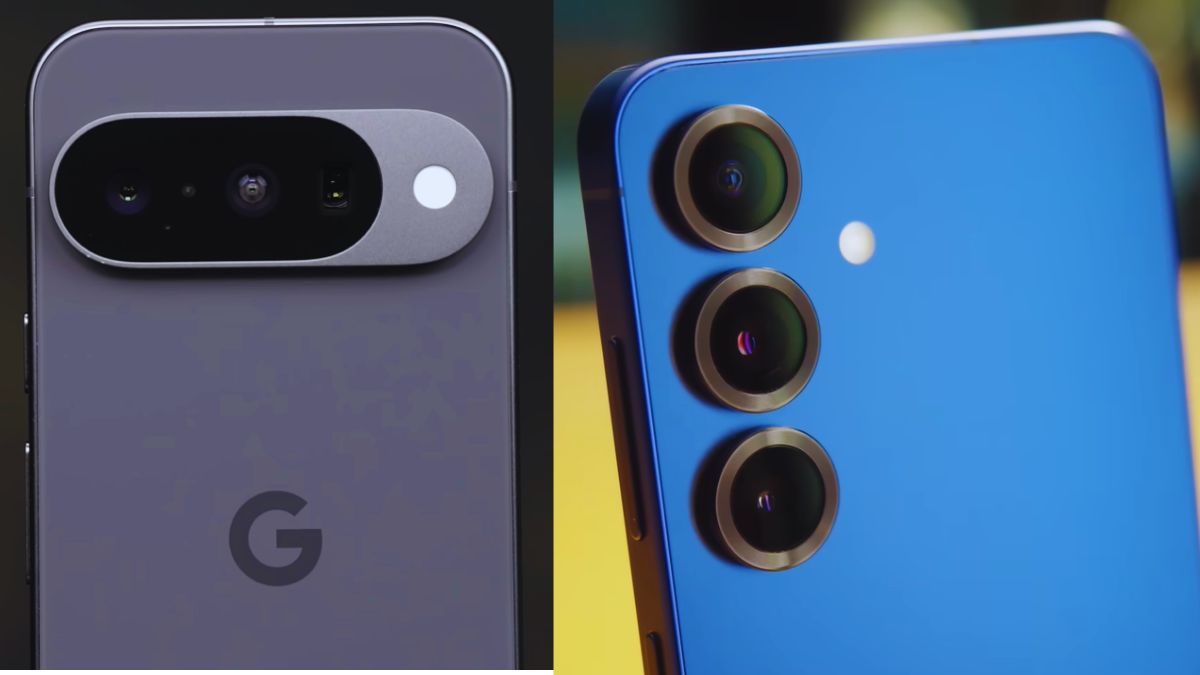
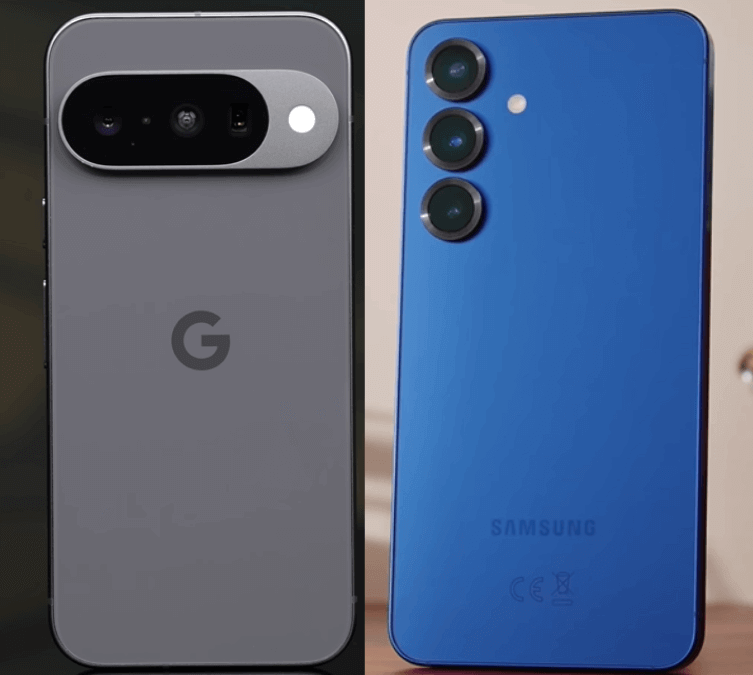
When comparing the iPhone 17 vs Google Pixel 10 design, both devices deliver a premium feel but with clear differences. The Apple iPhone 17 features a sleek aluminium (or titanium-style) frame with refined edges, weighing just 177g and measuring 7.95 mm thick, making it lighter and more comfortable to hold. It also uses Ceramic Shield 2 on the front and a reinforced glass back, along with IP68 water resistance up to 6m for 30 minutes.

In contrast, the Google Pixel 10 follows a minimalist design with its signature camera bar and matte finish, but is heavier at 204g and thicker at 8.6 mm. It comes with Gorilla Glass Victus 2 on both sides and IP68 protection up to 1.5m.

Display Experience

When comparing the iPhone 17 vs Google Pixel 10 display, both phones feature a 6.3-inch OLED screen, but the iPhone clearly takes the lead in overall experience. The iPhone 17 offers a smoother 1–120Hz ProMotion refresh rate with Always-On display support, delivering better responsiveness and convenience, along with an impressive 3000 nits peak brightness for excellent outdoor visibility. It also includes a seven-layer anti-reflective coating, reducing glare significantly.

In comparison, the Pixel 10 provides a 60–120Hz refresh rate with the same brightness but lacks advanced anti-reflective technology.

Real-world use:

  • Watching videos: Both phones perform excellently
  • Outdoor use: iPhone 17 is slightly brighter
  • Reading/text: Pixel 10 feels more natural on the eyes

Performance and Software
iPhone 17 vs Google Pixel 10
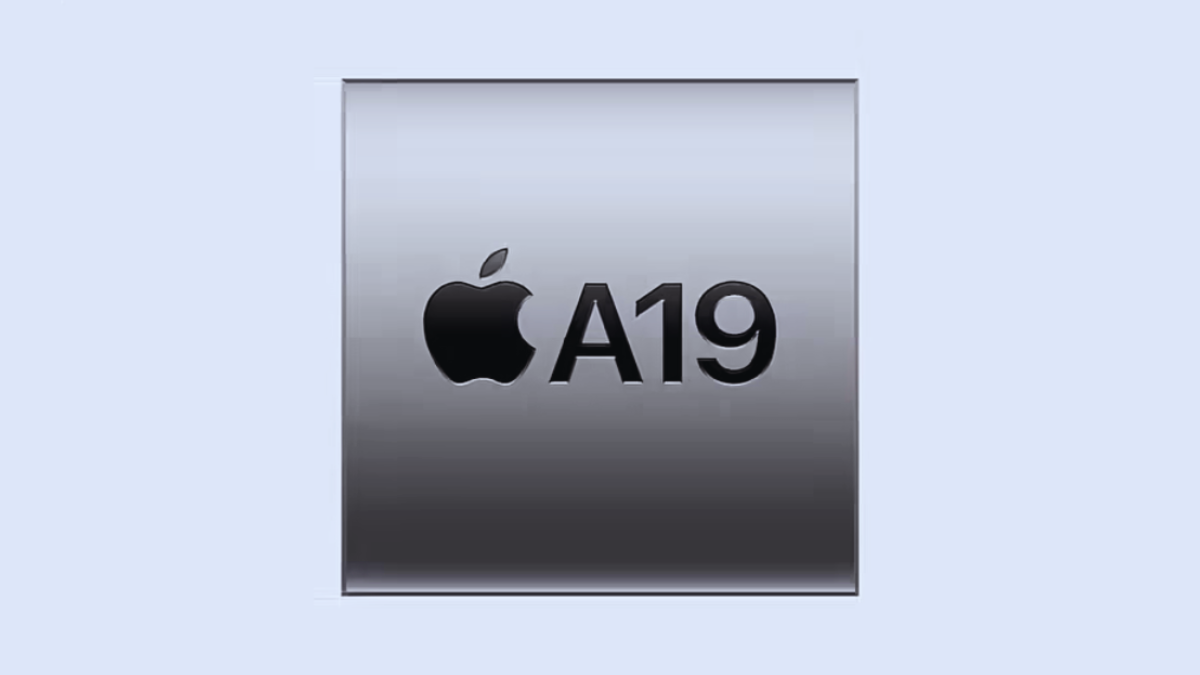
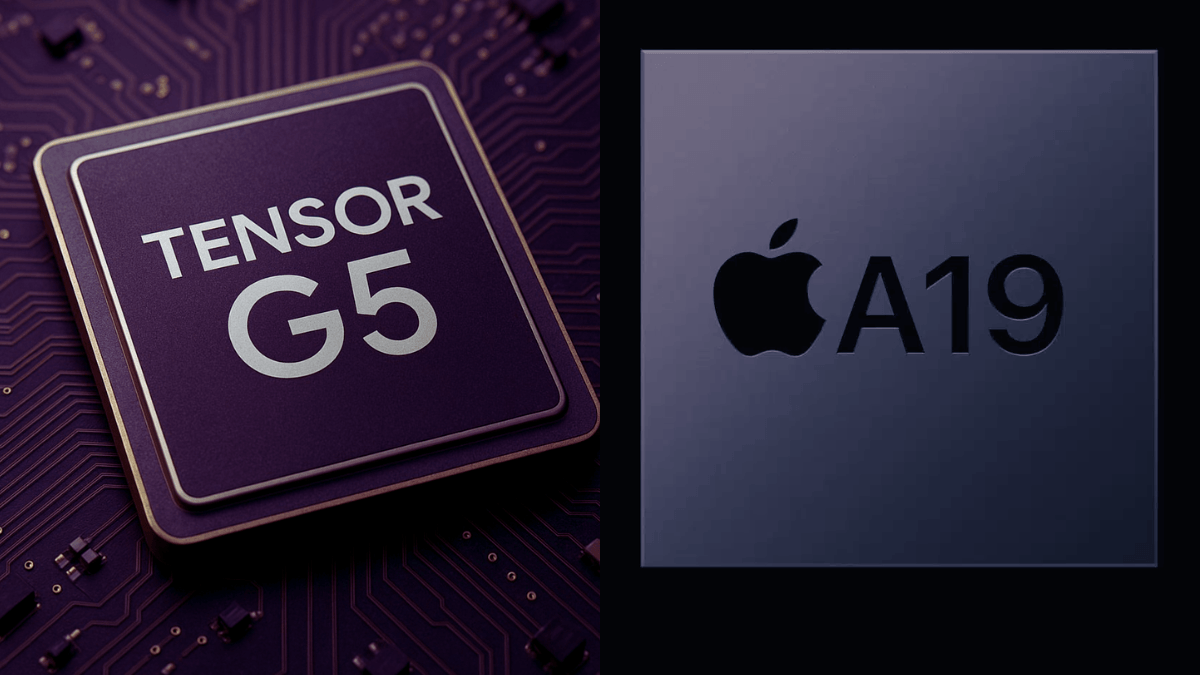
A visual comparison of the Tensor G5 chip in the Google Pixel 10 and the A19 chip in the iPhone 17.

Processing Power

When it comes to iPhone 17 vs Google Pixel 10 performance, both devices offer powerful hardware tailored to different user needs. The iPhone 17 is powered by Apple’s A19 chip with a 5-core GPU and 8GB RAM, delivering fast, efficient performance and smooth optimization for gaming and everyday tasks.

On the other hand, the Pixel 10 runs on Google’s Tensor G5 chip with a 6-core GPU and 12GB RAM, making it excellent for AI-driven features and multitasking. While Apple focuses on efficiency, Google emphasizes smart performance. Looking for speed or smarter features? Keep reading to find your perfect match.

Software Experience

  • iPhone 17 (iOS)
    • Smooth, stable, and optimized
    • Long-term updates (5+ years)
  • Pixel 10 (Android)
    • Clean Android experience
    • Faster access to new features
    • Highly customizable

AI Capabilities

This is where Pixel stands out.

  • Pixel 10:
    • Advanced AI photo editing
    • Call screening and voice features
  • iPhone 17:
    • Improving AI ecosystem
    • Better integration across Apple devices

👉 Verdict:

  • Performance → iPhone 17 wins
  • AI & smart features → Pixel 10 wins

Camera Comparison
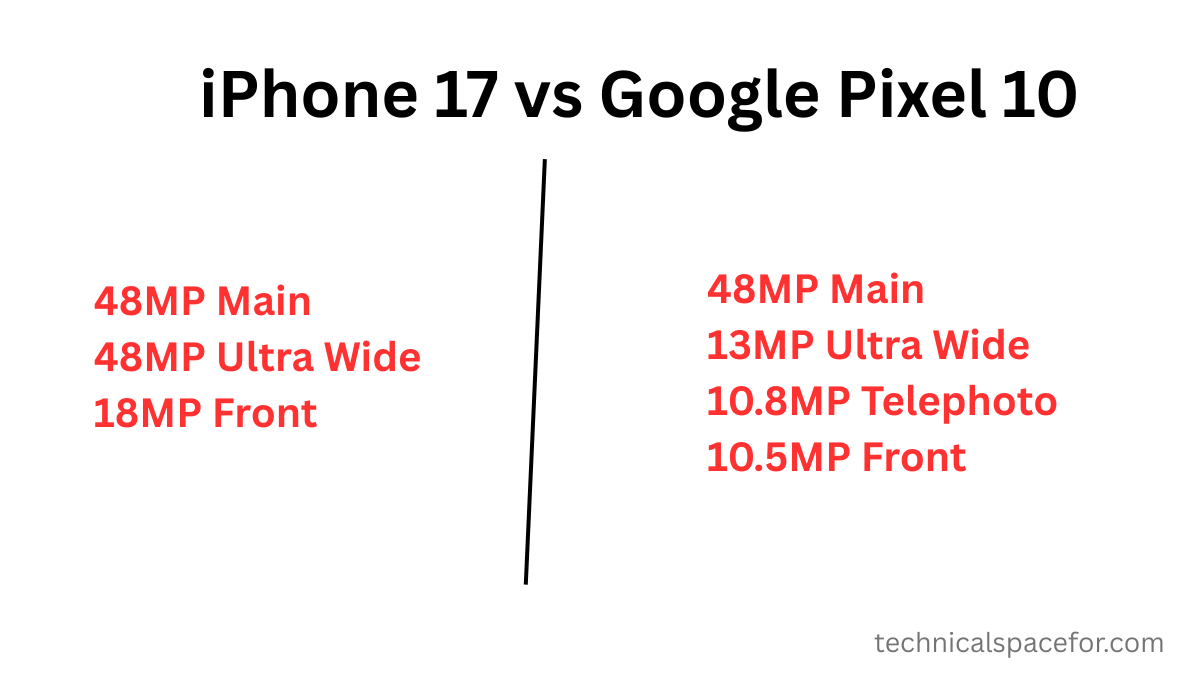
iPhone 17 vs Google Pixel 10
camera specifications, including main, ultrawide, telephoto, and front cameras.

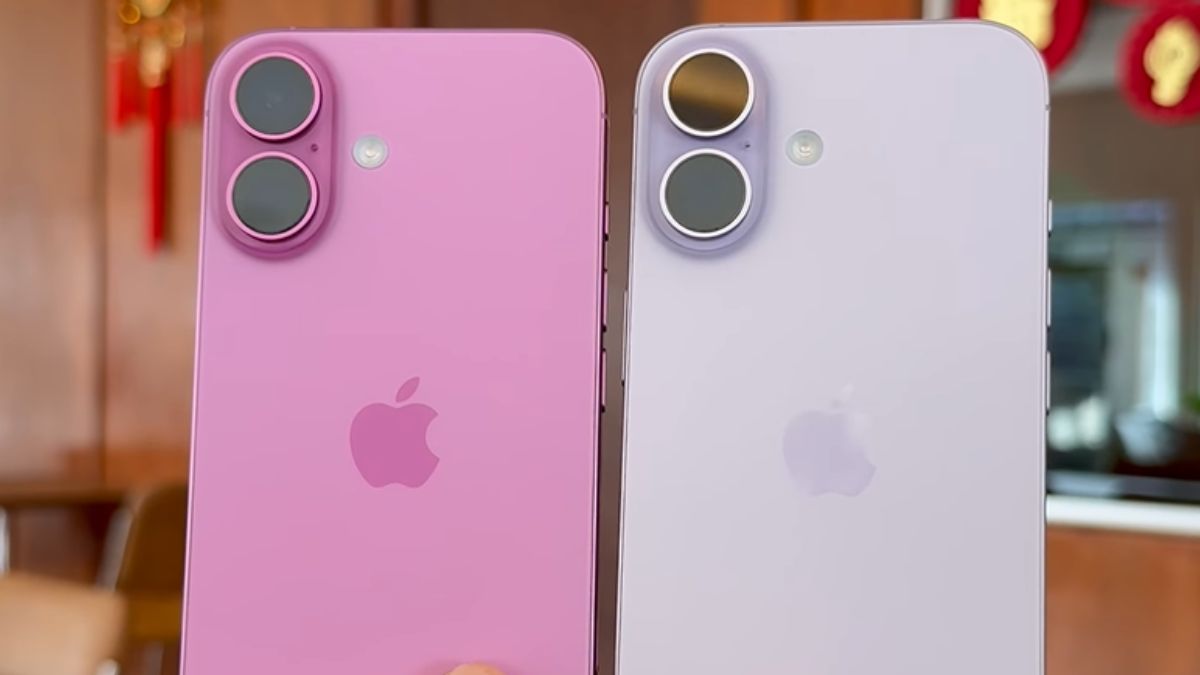
When comparing the iPhone 17 vs Google Pixel 10 camera, both smartphones deliver impressive photography but cater to different needs. The iPhone 17 features a dual-camera setup with a powerful 48MP wide sensor and 48MP ultrawide lens, capturing sharp and detailed shots, along with an 18MP front camera with OIS for stable selfies and smooth 4K60 video recording.

In contrast, the Pixel 10 offers a more versatile triple-camera system, including a 48MP wide lens, 13MP ultrawide, and a 10.8MP telephoto with 5x optical zoom (up to 30x digital), making it ideal for long-range photography.

Photography

The Pixel 10 continues Google’s dominance in computational photography.

  • Pixel 10
    • Exceptional low-light performance
    • AI-enhanced image processing
    • Best-in-class portrait mode
  • iPhone 17
    • Natural color accuracy
    • Consistent results across all lenses
    • Excellent video recording

Video Recording

  • iPhone 17 leads in video quality and stabilization
  • Pixel 10 is good, but still slightly behind

Real-World Use Cases

  • Social media creators → iPhone 17
  • Photography lovers → Pixel 10
  • Everyday users → Both excellent

Battery Life and Charging
iPhone 17 vs Google Pixel 10
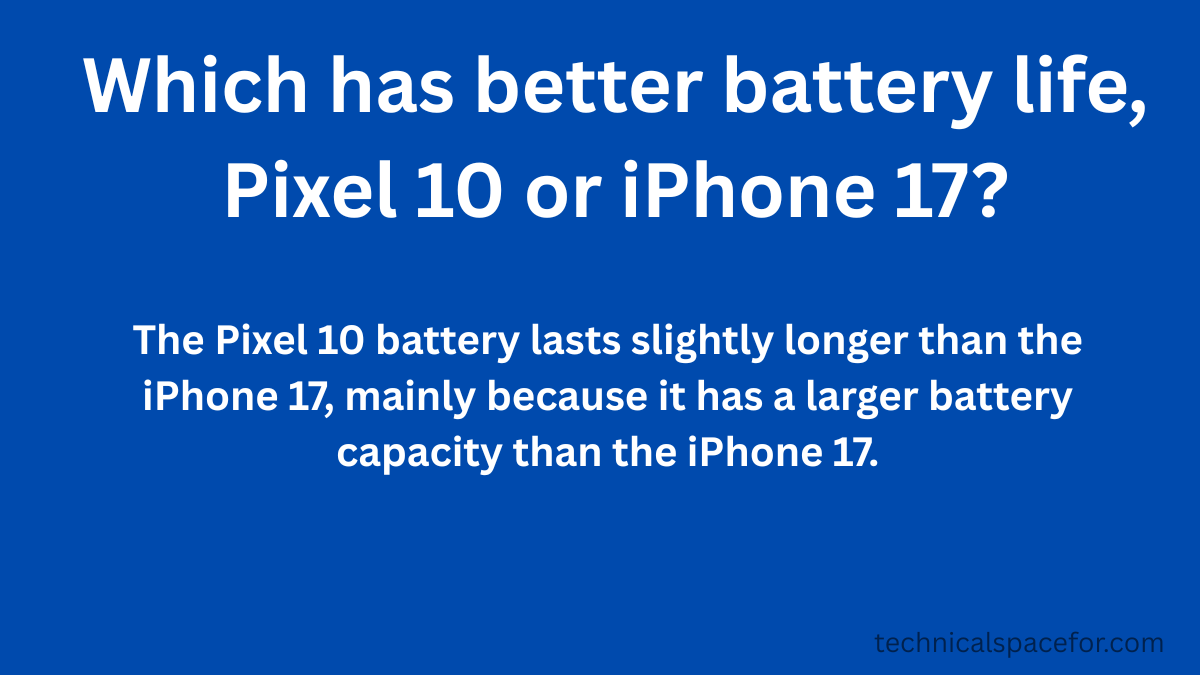
Battery Life Comparison

When comparing the iPhone 17 vs Google Pixel 10 battery, the difference in capacity and charging features is noticeable. The iPhone 17 comes with a 3692 mAh battery, offering fast wired charging with 50% in around 20 minutes using a 40W adapter, along with 25W MagSafe and 4.5W reverse wired charging.

In contrast, the Pixel 10 packs a larger 4970 mAh battery, providing longer usage time, and supports 55% charge in about 30 minutes with a 30W adapter. It also features 15W Qi2 wireless charging with PixelSnap and 4.5W reverse wireless charging.

Battery Performance

  • iPhone 17
    • Optimized battery usage with iOS
    • Reliable all-day performance
  • Pixel 10
    • AI-based battery management
    • Adapts to your usage habits

Charging

  • Both support fast charging
  • Wireless charging available on both

👉 Real-world result:

  • Heavy users → iPhone slightly more consistent
  • Smart optimization → Pixel adapts better over time

Price and Value

When comparing the iPhone 17 vs Google Pixel 10 price, both smartphones offer competitive options depending on your storage needs. The iPhone 17 starts at $799 for the 256GB model and goes up to $999 for 512GB, based on Apple’s official pricing at launch, though prices may vary by region.

In contrast, the Google Pixel 10 is priced at $799 for the 128GB model and $899 for 256GB, while also including 12GB of RAM as standard. For the most accurate and up-to-date pricing, you can check the official Google Pixel website here. This makes the Pixel a strong value choice, while the iPhone offers higher base storage.

Pros and Cons

iPhone 17

Pros:

  • ProMotion Display (120Hz + Always-On)
    One of the biggest upgrades is the smooth 120Hz ProMotion display with Always-On, which was previously only available on Pro models. It makes scrolling, gaming, and everyday use much smoother and more premium.
  • Powerful A19 Chip & Better Battery
    The new A19 chip delivers faster performance, better efficiency, and improved AI capabilities, making the phone extremely responsive for multitasking and gaming.
  • Advanced Camera System ( Dual 48MP Rear Cameras )
    The iPhone 17 features 48MP cameras (main + ultrawide) and a new 18MP Center Stage front camera, offering sharper photos, better selfies, and smart framing for videos
  • Doubled Base Storage
    The starting storage capacity has been doubled from 128 GB to 256 GB.
  • Brighter & Better Display
    The display is very bright and easy to see, even in strong sunlight.
  • Improved Durability
    The new Ceramic Shield 2 makes the screen tougher and more scratch-resistant than before

Cons:

  • Expensive
  • Less customizable
  • AI features still evolving

Pixel 10

Pros:

  • Advanced AI with Tensor G5 chip
    The Pixel 10 is powered by Google’s Tensor G5 chip, designed to deliver faster performance and powerful on-device AI features like real-time assistance, smarter typing, and voice tools.
  • Smart Camera System with Zoom
    It features a versatile triple-camera setup, including a 5x telephoto lens, allowing high-quality zoom and AI-enhanced photography.
  • AI Photography & Features
    Google focuses heavily on computational photography, offering features like automatic photo enhancement and smart editing powered by AI.
  • Clean Android Experience
    The Pixel 10 provides a smooth, bloat-free Android experience with exclusive Google features and long-term updates.
  • All-day Battery + Smart Optimization
    With smart optimization, the battery easily lasts a full day, even with heavy use.

Cons:

  • Slightly weaker raw performance
  • Video not as strong as iPhone
  • Smaller ecosystem

Which One Should You Buy? (Final Verdict)

Choose iPhone 17 if you:

  • Want long-term reliability.
  • Use Apple devices (Mac, iPad, AirPods).
  • Care about performance and video quality.

Choose Pixel 10 if you:

  • Love photography and AI features.
  • Prefer Android customization.
  • Want better value for money.

So, iPhone 17 vs Google Pixel 10—which is better?

  • Best overall: iPhone 17
  • Best for camera & AI: Pixel 10

If you want a powerful, reliable, long-lasting phone, go with the iPhone 17.
If you prefer smart features, AI tools, and photography, the Pixel 10 is the better choice.

FAQ

1. Is Pixel 10 better than iPhone 17?

Pixel 10 has the better camera overall because of its zoom and AI features, while the iPhone 17 is better for natural photos and video quality.

2. Which has a better camera: iPhone 17 vs Google Pixel 10?

Pixel 10 has the better camera overall because of its zoom and AI features, while the iPhone 17 is better for natural photos and video quality.

3. Which phone lasts longer?

 The Pixel 10 lasts longer in daily battery life, but the iPhone 17 lasts longer overall in long-term usage (years) due to better software support and optimization.

4. Is Pixel 10 cheaper than iPhone 17?

Yes, Pixel 10 is usually more affordable while offering strong features. Both phones start at $799, but the Pixel 10 is cheaper overall because it has a lower-priced 256GB option and also offers a more affordable 128GB model.

5. Should I switch from iPhone to Pixel 10?

Yes, You have to switch to the Pixel 10 if you want more AI features, better zoom, and a lower price, but stay with iPhone if you prefer a smoother, simpler experience and Apple ecosystem.

Read more:
Posted on Leave a comment

What are the disadvantages of an eSIM ? (2026 Guide)

disadvantages of an eSIM

eSIM technology is becoming more popular in modern smartphones, offering a convenient way to connect without using a physical SIM card. While many people focus on its advantages, it’s equally important to understand the disadvantages of an eSIM before making the switch.
A major recent update is that Apple has expanded eSIM-only iPhones to around 12 countries with the iPhone 17 series, including the United States, Japan, and Canada. This makes it important to understand how eSIM works, especially if you plan to travel to these regions.
From compatibility issues to potential limitations while traveling, eSIM may not always be the perfect choice for everyone. In this guide, we’ll explore the key drawbacks of eSIM to help you decide if it’s right for your needs.

First of all, let’s understand what the disadvantages of an eSIM are :

disadvantages of an eSIM

What are the disadvantages of an eSIM ?

The disadvantages of an eSIM are limited support on older phones, difficulty switching devices quickly, and the need for internet to activate it. It may also rely on cloud backup for data, offer less flexibility, and raise some privacy concerns.

eSIMs are convenient, but they have some drawbacks. Here are the main disadvantages to know before choosing one.

  • Difficult Device Switching
    Unlike physical SIM cards, you cannot simply remove an eSIM and put it into another phone if your device breaks or if you swap phones frequently. Transferring an eSIM usually requires contacting your carrier or activating a new profile.
  • Activation Hurdles
    Activating an eSIM requires a stable internet connection (usually Wi-Fi), which can be difficult to access immediately, especially when arriving in a new country.
  • Limited Device Compatibility
    Not all smartphones support eSIM, particularly older models or budget devices, which can restrict your options.
  • Troubleshooting and Recovery Issues
    If your phone’s screen breaks, freezes, or malfunctions, you cannot easily remove the eSIM to access your phone number or contacts on another device.
  • Carrier Restrictions
    Some carriers lock phones to their network, limiting your ability to use eSIMs from other providers, particularly in certain markets.
  • Less Cost-Effective for Long-Term Travel
    Travel eSIM providers can be more expensive than buying a local physical SIM card if you stay in a country for more than a month.
  • Privacy and Security Concerns
    Because the eSIM is embedded and cannot be physically removed, it can be harder to fully disconnect a device from a network, which may raise privacy or security concerns.

First of all, let’s understand what exactly an eSIM is :

What Is an eSIM and How Does It Work?

An eSIM (embedded SIM) is a digital SIM card built directly into your device that works as a digital replacement for a physical SIM card, so you don’t need a physical SIM card. It allows you to activate a mobile network plan by scanning a QR code or downloading it through your phone settings.

An eSIM works by storing your mobile network information digitally inside your device. Instead of inserting a physical SIM card, you simply download a mobile plan by scanning a QR code or using an app provided by your carrier. Once activated, your phone connects to the network just like a regular SIM. You can also switch between different plans or carriers directly from your device settings without removing anything.

eSIM vs Physical SIM: What’s the Difference?

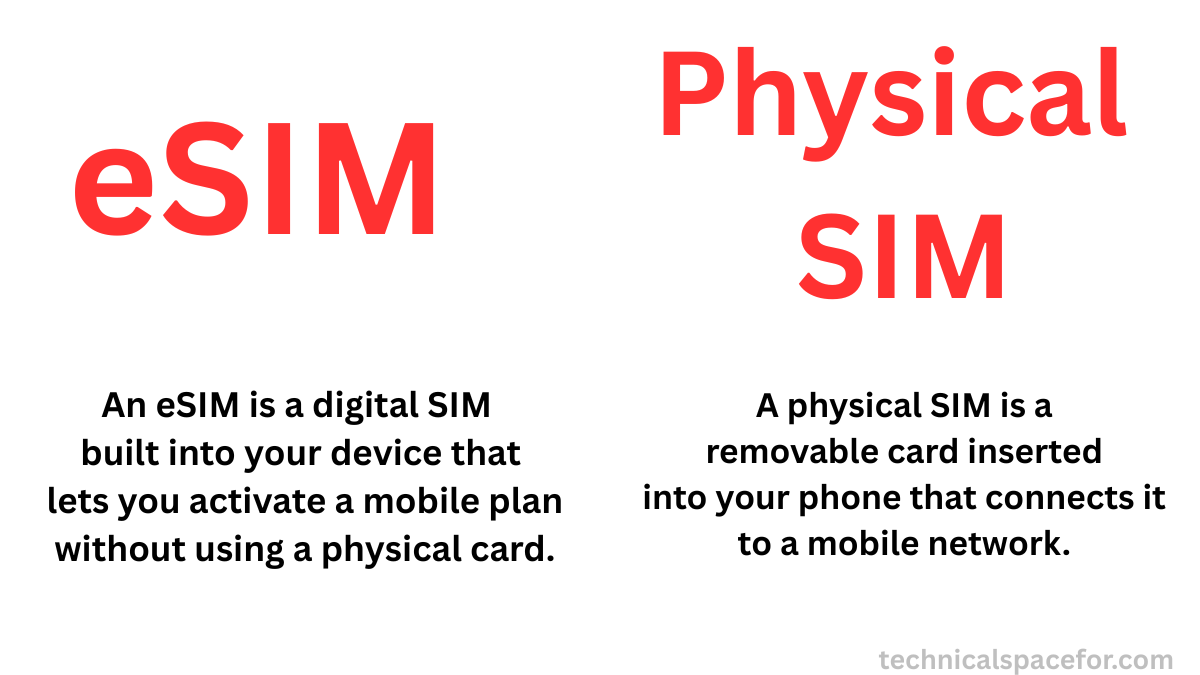
disadvantages of an eSIM
eSIM vs physical SIM: comparing digital convenience with traditional removable SIM cards

The main difference between an eSIM and a physical SIM is how they are used and managed. A physical SIM is a removable card that you insert into your phone, while an eSIM is built into your device and works digitally.

With a physical SIM, you need to remove and replace the card when switching devices or carriers. In contrast, an eSIM allows you to switch networks by downloading a plan, making the process faster and more convenient.

While both serve the same purpose of connecting your device to a mobile network, they differ in how they are installed, used, and managed.
The table below highlights the key differences to help you quickly compare and decide which one suits you best.

eSIM Physical SIM
Embedded in the device Removable card
Activated digitally (QR code / app) Inserted manually into SIM slot
No need to swap cards Requires swapping SIM cards
Easy to switch carriers digitally Must replace SIM to switch carriers
Can store multiple profiles Usually one profile per SIM
Supported on newer devices only Works on almost all devices
Great for travel (instant plans) Need to buy local SIM when traveling
Cannot be lost or damaged physically Can be lost or damaged
More secure (harder to remove) Easier to remove
Requires setup to transfer devices Easy to move between devices

What Is a Physical SIM Card and How Does It Work?

A physical SIM card is a small, removable chip that stores your mobile phone’s subscriber information, allowing your device to connect to a carrier’s network. It contains important data like your phone number, network authorization, and sometimes contacts. When you insert a SIM card into your phone, it identifies you to the network, enabling you to make calls, send messages, and use mobile data.

Physical SIM cards are easy to swap between devices, which makes them convenient if you change phones frequently or travel internationally. However, unlike eSIMs, they require a physical card for each device and carrier.

A physical SIM card works by storing your mobile subscriber information, such as your phone number and carrier details. When you insert it into your phone, it connects your device to your carrier’s network, allowing you to make calls, send messages, and use mobile data. The SIM card acts like an ID card for your phone, letting the network recognize and authenticate your device.

It is removable, so you can easily switch it between compatible phones, making it convenient for device upgrades or international travel.

What is the cost of using an eSIM compared to a physical SIM?

The cost of using an eSIM is usually similar to a physical SIM, but eSIM plans can sometimes be slightly more expensive, especially for international or multi-country use, due to convenience and flexibility.

When comparing eSIMs and physical SIMs, cost is an important factor to consider. While the monthly plan fees are often similar, there are differences in activation, travel options, and extra charges that can affect your overall expense. Here are the main points to understand about the cost of using an eSIM versus a physical SIM.

  • Plan Pricing Is Often Similar
    For standard mobile plans with the same data, talk, and text, many carriers charge about the same price whether you use an eSIM or a physical SIM. There’s usually no difference in the monthly service cost itself.
  • Activation and Card Fees
    eSIM activation is often free or included when you sign up, while physical SIM cards can sometimes have a small fee for the card itself, delivery, or replacement.
  • Travel eSIM Plans vs Local SIMs
    For travel or short-term data, eSIM plans (especially from travel eSIM providers) are often competitive or cheaper than buying physical SIMs from local carriers, particularly for short trips. However, prices vary by destination, and local physical SIMs can be cheaper in some countries for longer stays.
  • Hidden Cost Differences
    Physical SIMs can incur shipping, replacement, or store purchase costs, whereas eSIMs eliminate these physical card expenses.

Are there any benefits of using an eSIM?

Using an eSIM offers several advantages over traditional SIM cards. From easy digital activation to better security and travel convenience, eSIMs make managing multiple carriers and plans simpler while reducing the risk of loss or damage.

Here are the main benefits of using an eSIM.

  • Convenient Activation
    eSIMs can be activated digitally via QR code or carrier app—no need to handle physical cards.
  • Multiple Carrier Profiles
    Many eSIMs can store multiple network profiles on a single device, making it easy to switch carriers or plans without changing SIMs.
  • Ideal for Travel
    You can download local data plans instantly when traveling, avoiding the need to buy and swap physical SIM cards.
  • Space-Saving Design
    Because they are embedded in the device, eSIMs save space inside smartphones, allowing for slimmer designs or extra features like larger batteries.
  • Less Risk of Loss or Damage
    Unlike physical SIMs, eSIMs cannot be lost, stolen, or physically damaged.
  • Enhanced Security
    Being embedded makes eSIMs harder to remove or tamper with, offering better protection against theft or unauthorized use.
  • Supports Dual SIM Functionality
    Many modern phones allow using both a physical SIM and an eSIM simultaneously, letting you manage work and personal numbers on one device.
  • Hardware Improvements:
    Without a physical SIM tray, manufacturers have more internal space for larger batteries or improved water/dust resistance.

Which should I choose: local SIM or eSIM?

Choosing between a local SIM and an eSIM depends on your needs and how you use your phone. If you want the easiest setup with digital activation, the ability to store multiple plans, and great flexibility for switching carriers or getting travel data instantly, an eSIM is often the better choice — especially for short trips or frequent travelers.

You need to choose a physical SIM when your device doesn’t support eSIM, but Even if your phone supports eSIM, you can choose a physical SIM when staying long-term in one country, traveling to places where eSIM isn’t supported, needing to swap SIMs between multiple devices, or preferring instant activation without relying on Wi-Fi.

 if you need wide compatibility, plan to stay in one place for a long time, or your phone doesn’t support eSIM, then a local physical SIM might be more practical and sometimes more affordable for long-term use.

In short:

  • Choose eSIM for convenience, flexibility, and travel.
  • Choose local SIM for simplicity, broad support, and long-term stays.

 eSIM FAQs: Frequently Asked Questions

1. Are there any disadvantages of using esim on iphone ?

Yes, there are some disadvantages of an eSIM on iphone. Unlike physical SIM cards, eSIMs cannot be easily removed or quickly transferred between devices, making it less convenient in situations like phone loss or switching devices. The setup and activation process can also be more complex, often requiring QR codes, apps, and a stable internet connection.

Additionally, not all carriers fully support eSIM, which may limit your options, especially when traveling. Since eSIM is embedded in the device, it offers less flexibility and depends on software, meaning bugs or system issues can sometimes affect connectivity. In certain regions, limited eSIM support can also make physical SIM cards a more reliable choice.

2. Are there any disadvantages of using esim on Android ?

Yes, there are several disadvantages of eSIM on Android devices. Unlike physical SIM cards, eSIMs cannot be easily removed or swapped, making it less convenient to switch devices or handle emergencies. The setup process can be more complicated, often requiring QR codes, apps, and a stable internet connection for activation.

Additionally, not all Android phones and mobile carriers fully support eSIM, which can limit your options. Since eSIM depends on software, bugs or system issues may sometimes affect connectivity, and it offers less flexibility compared to a physical SIM. Furthermore, in some regions, especially when traveling, eSIM support may still be limited, making physical SIM cards a more reliable choice.

3. Is eSIM better than a physical SIM when traveling?

eSIM is generally better than a physical SIM when traveling because it allows instant activation, easy switching between countries, and no need to physically swap SIM cards, making it very convenient for short trips and multi-country travel. However, physical SIM cards can be a better option for long-term stays, as they are often cheaper, provide a local phone number for calls and SMS, and may offer better coverage in some regions.

Overall, eSIM is ideal for convenience and flexibility, while physical SIM is more suitable for extended travel and reliability.

4. How do you activate and manage an eSIM compared to a SIM card?

Activating and managing an eSIM is done entirely digitally, whereas a physical SIM card requires manual insertion into your device. With eSIM, you typically scan a QR code, download a carrier profile, or use a mobile app to activate your plan, and you can manage or switch plans directly from your phone settings. In contrast, a physical SIM must be physically inserted, removed, or replaced when changing carriers or devices.

Overall, eSIM offers more convenience and flexibility through software, while physical SIM cards provide a simpler, hands-on setup.

5. What should I know before changing from a SIM card to eSIM?

Before switching from a physical SIM card to an eSIM, you should make sure your device supports eSIM and that your mobile carrier offers compatible plans. It’s important to have a stable internet connection for activation, as the setup is done digitally using a QR code or carrier app. You should also back up your data and confirm whether your current SIM can be easily transferred or reactivated if needed.

Additionally, keep in mind that switching devices or troubleshooting issues may be less convenient with eSIM compared to simply swapping a physical SIM, so understanding the activation and transfer process in advance can help avoid problems.

Conclusion: Is eSIM Right for You?

While eSIM technology offers modern convenience and flexibility, it’s important to understand the disadvantages of an eSIM before making the switch. From limited device and carrier support to difficulties in switching devices and reliance on internet activation, eSIM may not be ideal for every user. However, for those who value digital convenience, travel flexibility, and the ability to manage multiple plans easily, eSIM can still be a great option.

Ultimately, the right choice depends on your needs—if you prioritize simplicity and compatibility, a physical SIM may be better, but if you prefer a more advanced and flexible experience, eSIM is worth considering.

Read more:
Posted on Leave a comment

Samsung Galaxy S26 vs S26+ vs S26 Ultra: Ultimate Comparison, Specs & Which Should You Buy (2026)

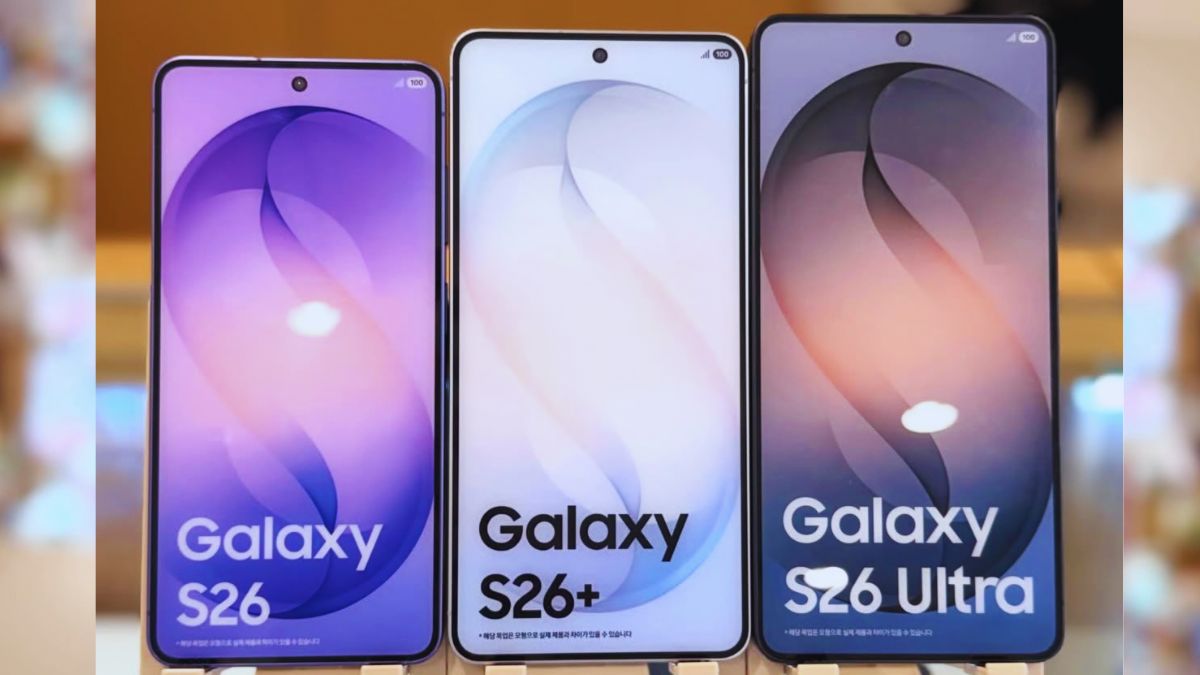
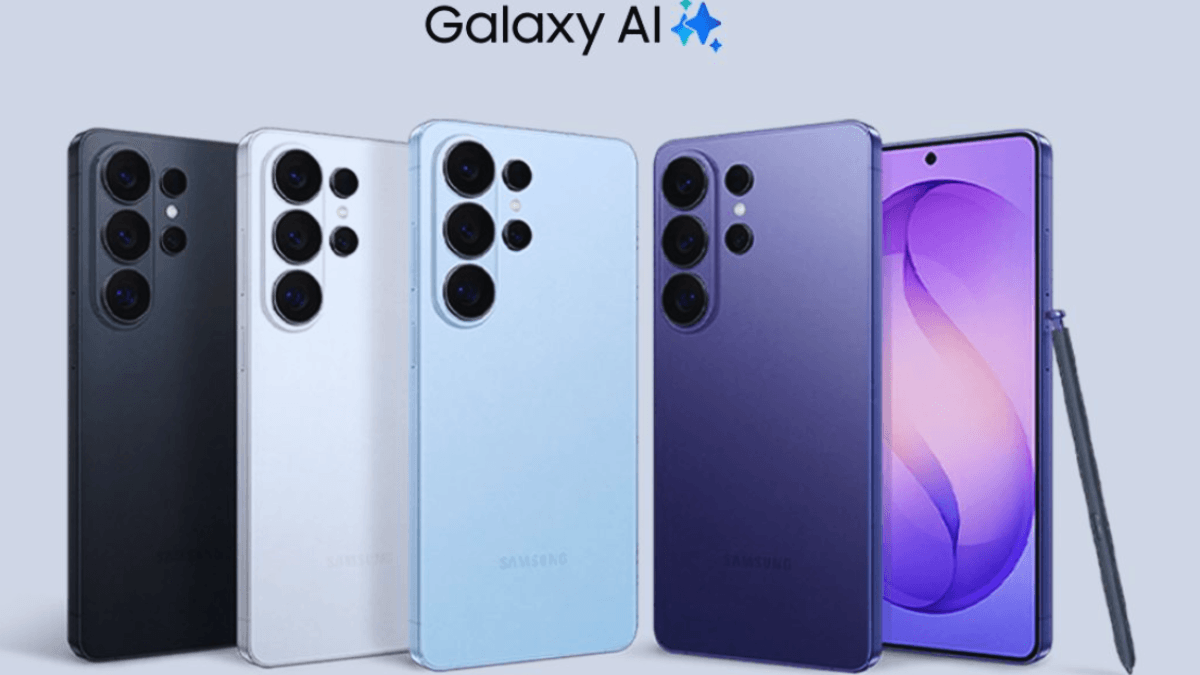
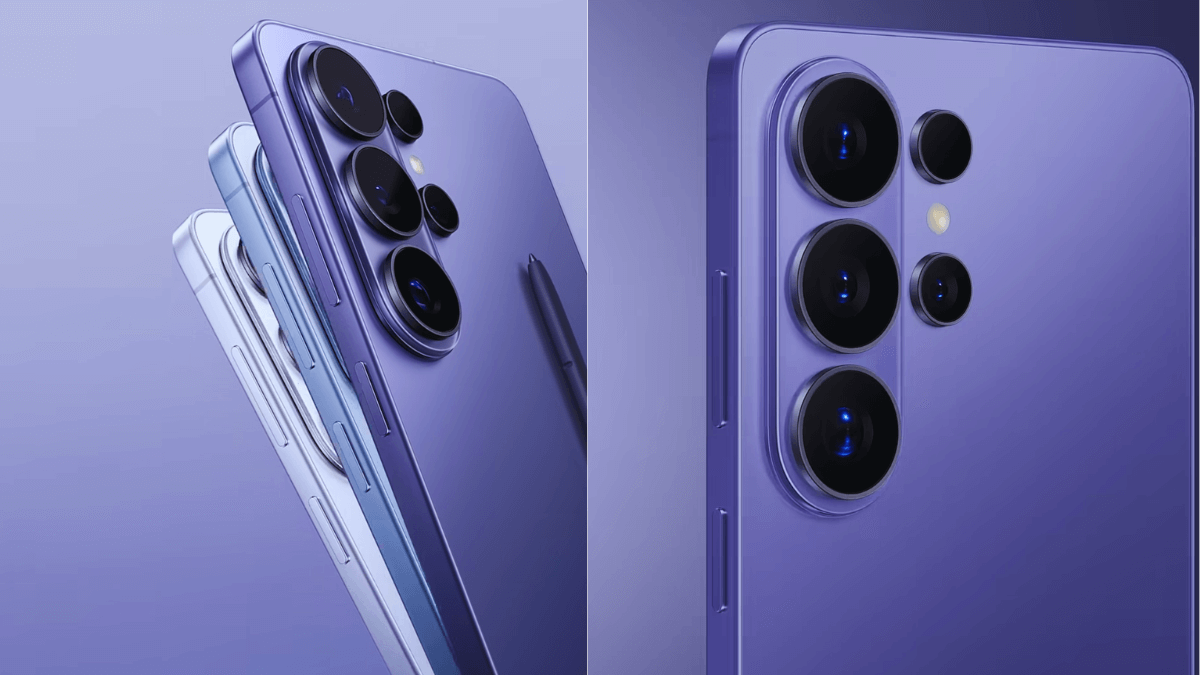
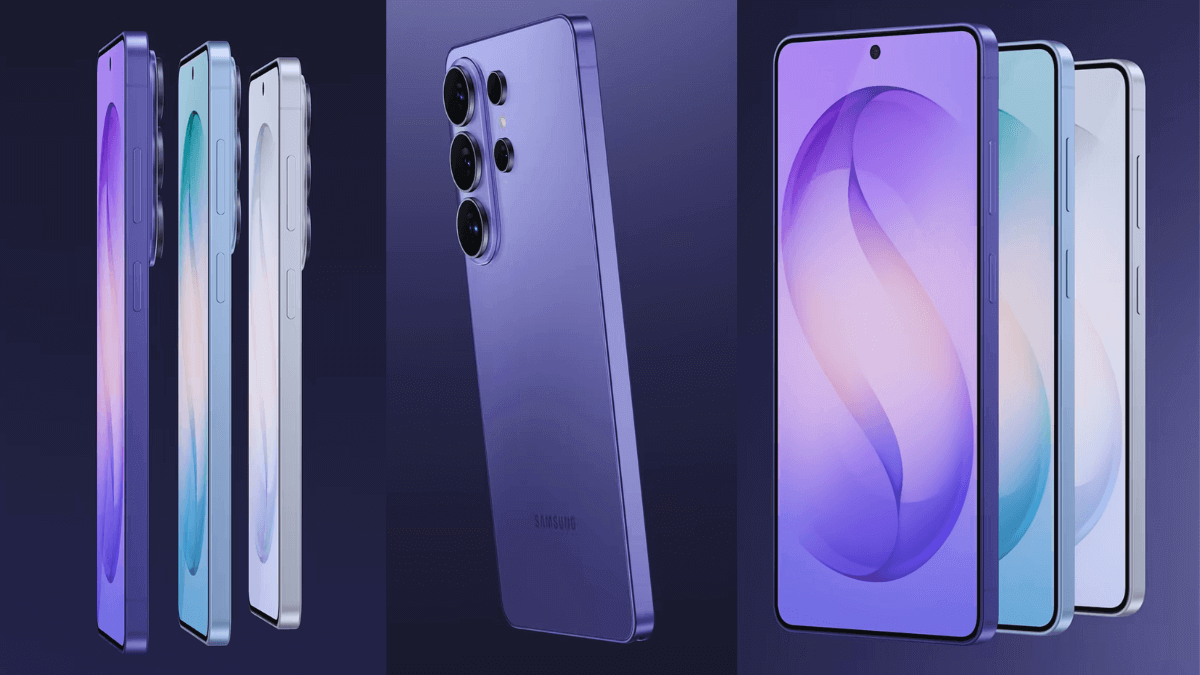
Samsung Galaxy S26 vs S26+ vs S26 Ultra comparison showing design and size differences

Choosing between the [Samsung Galaxy S26 vs S26+ vs S26 Ultra] can be confusing, especially with so many similar features. In this guide, we compare all Galaxy S26 models in detail, including specifications, key differences, and which model is best for your needs in 2026.

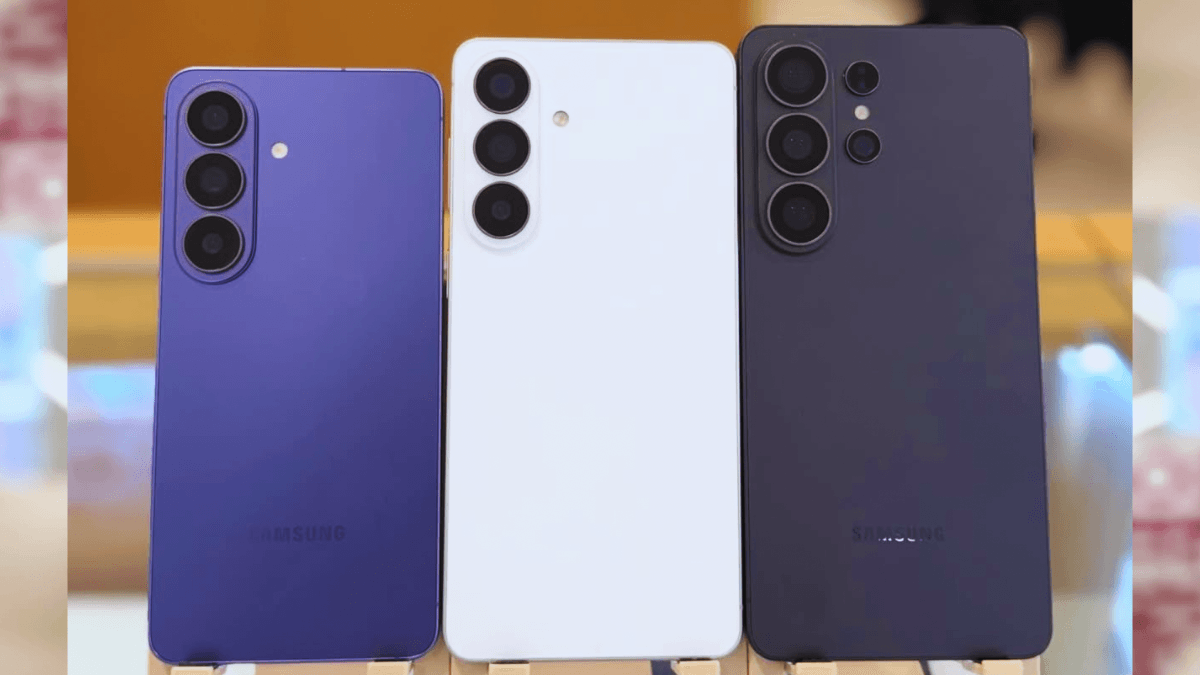
Samsung Galaxy S26 vs S26+ vs S26 Ultra backside comparison showing camera design differences
Backside view of Samsung Galaxy S26, S26+, and S26 Ultra highlighting camera layout and design differences

Galaxy S26 models comparison Overview

The Samsung Galaxy S26 series includes three main models: the standard Galaxy S26, the Galaxy S26+, and the premium Galaxy S26 Ultra. When comparing the Samsung Galaxy S26 vs S26+ vs S26 Ultra, each model is designed for different types of users. The base model offers balanced performance at a more affordable price, while the Plus version provides a larger display and better battery life.

On the other hand, the Ultra model stands out with advanced camera features, powerful performance, and premium design. In this Galaxy S26 models comparison, we will explore the key differences, specifications, and help you decide which model is the best choice for your needs in 2026.

Samsung Galaxy S26 vs S26+ vs S26 Ultra: Key Differences

When comparing the Samsung Galaxy S26 vs S26+ vs S26 Ultra, the key differences mainly come down to display size, battery capacity, camera performance, and overall features. The Galaxy S26 is the most compact and affordable option, making it suitable for everyday users who want a balanced smartphone. The Galaxy S26+ offers a larger screen and bigger battery, which is ideal for users who prefer more screen space and longer usage time.

In contrast, the Galaxy S26 Ultra is the most advanced model, featuring a high-end camera system, premium build quality, and top-level performance. Overall, each model serves a different purpose, so choosing the right one depends on your budget and how you plan to use your device.

Samsung Galaxy S26 vs S26+ vs S26 Ultra: Specs Comparison Table

To better understand the differences between the Samsung Galaxy S26 vs S26+ vs S26 Ultra, it’s important to compare their core specifications side by side. The table below highlights the key specs, including display, performance, camera, battery, and pricing, so you can quickly see which model offers the best value for your needs.

Feature Galaxy S26 Galaxy S26+ Galaxy S26 Ultra
Operating System Android 16,up to 7 major Android upgrades, One UI 8.5 Android 16, up to 7 major Android upgrades, One UI 8.5 Android 16, up to 7 major Android upgrades, One UI 8
Processor Qualcomm Snapdragon 8 Elite Gen 5 (3nm) Qualcomm Snapdragon 8 Elite Gen 5 (3nm) Qualcomm Snapdragon 8 Elite Gen 5 for Galaxy (3nm)
Dimensions  149.6 × 71.7 × 7.2 mm(5.89 x 2.82 x 0.28 inch) 158.4 × 75.8 × 7.3 mm (6.24 × 2.98 × 0.29 inch) 163.6 x 78.1 x 7.9 mm (6.44 x 3.07 x 0.31 inch)
Display 6.3-inch Dynamic AMOLED 6.7-inch Dynamic AMOLED 2X 6.9-inch Dynamic LTPO AMOLED 2X
Resolution 2340 × 1080 pixels (FHD+) 3120 × 1440 pixels (QHD+)  3120 × 1440 pixels (QHD+)
RAM 12GB 12GB 12GB / 16GB
Storage 256GB / 512GB 256GB / 512GB (UFS 4.0) 256GB / 512GB / 1TB
Rear Camera 50MP main + 12MP ultra-wide + 10MP telephoto (3× optical zoom) 50MP main + 12MP ultra-wide + 10MP telephoto (3× optical zoom) 200MP main + 50MP ultra-wide + 50MP periscope telephoto (5× zoom) + 10MP telephoto (3× zoom)
Front Camera 12MP 12MP 12MP
Video Recording Up to 8K video recording Up to 8K video recording Up to 8K video recording (advanced stabilization)
Refresh Rate 120Hz 120Hz 120Hz
Battery 4300mAh 4900mAh 5000mAh
Charging 25W fast charging + 15W wireless charging + reverse wireless charging 45W fast charging + 20W wireless charging + reverse wireless charging 60W fast charging + 25W wireless charging + 4.5W reverse wireless
Water & Dust Resistance IP68 (immersible up to 1.5m for 30 min) IP68 (immersible up to 1.5m for 30 minutes) IP68 (up to 1.5m for 30 minutes)
Connectivity 5G, Wi-Fi 7, Bluetooth 5.4, NFC, USB-C 5G, Wi-Fi 7, Bluetooth 5.4, NFC, USB-C 5G, Wi-Fi 7, Bluetooth 6.0 FC, USB-C
Weight 167g 190g 214g
Colors Black, Sky Blue, Violet, Silver, Pink Gold Black, Sky Blue, Violet, Silver, Pink Gold Black, White, Sky Blue, Cobalt Violet, Silver Shadow (Samsung website exclusive), Pink Gold (Samsung website exclusive)

Detailed Comparison

Now that we’ve looked at the overall specifications, let’s break down the Samsung Galaxy S26 vs S26+ vs S26 Ultra in more detail. In this section, we compare each model directly to highlight their real-world differences and help you choose the right device based on your needs.

S26 vs S26+

When comparing the Galaxy S26 vs S26+, the main differences come down to size and battery life. Both models offer similar performance, camera quality, and core features, but the Galaxy S26+ comes with a larger display, making it better for watching videos, gaming, and multitasking. It also includes a bigger battery, which provides longer usage time throughout the day.

On the other hand, the Galaxy S26 is more compact and easier to use with one hand, making it ideal for users who prefer a lightweight and portable smartphone.

S26 vs S26 Ultra

The comparison between the Galaxy S26 and S26 Ultra shows a significant gap in features and performance. While the Galaxy S26 is designed for everyday use with balanced specifications, the Galaxy S26 Ultra is a premium flagship device with advanced capabilities.
The Ultra model offers a superior camera system, including high-resolution sensors and powerful zoom features, making it perfect for photography enthusiasts. It also includes a larger display, a bigger battery, and support for the S Pen, which adds extra productivity features.However, these upgrades come at a higher price compared to the standard S26.

S26+ vs S26 Ultra

When comparing the Galaxy S26+ vs S26 Ultra, both devices offer strong performance and large displays, with a 6.7-inch screen on the S26+ and a 6.9-inch screen on the S26 Ultra, but the Ultra model clearly stands out as the more advanced option.
The Galaxy S26+ is a great choice for users who want a bigger screen and Galaxy S26 Ultra is a great choice for users who want longer battery life without spending too much. In contrast, the Galaxy S26 Ultra offers top-tier features such as a more advanced camera system, premium design, and S Pen support.
If you need the best performance and camera capabilities, the Ultra is the better choice, while the S26+ is ideal for those who want a balance between price and performance.

Pros and Cons of Samsung Galaxy S26 Series

Pros

  • Strong performance across all models with the latest processor
  • Premium design and build quality
  • Smooth display with 120Hz refresh rate
  • Good camera performance on all devices
  • Multiple options to fit different budgets and needs

Cons

  • Higher price, especially for the Ultra model
  • Limited major upgrades compared to previous generation
  • Large size may not be comfortable for all users
  • S Pen only available on the Ultra model
  • No expandable storage option

Overall, the Samsung Galaxy S26 series offers a great balance of performance, design, and features. However, the choice depends on your budget and whether you need premium features like the advanced camera and S Pen available on the Ultra model.

FAQ ( Frequently Asked Questions ) 

Which Galaxy S26 model is best?

The Galaxy S26 Ultra is the best model in the series, offering the most advanced camera, premium design, and top-level performance. However, if you are looking for a more affordable option, the Galaxy S26 or S26+ can be a better choice.

 What is the difference between S26 and S26+?

The main difference between the Galaxy S26 and S26+ is the display size and battery capacity. The S26+ has a larger screen and a bigger battery, while the S26 is more compact and easier to use with one hand.

 Is the Galaxy S26 Ultra worth buying in 2026?

Yes, the Galaxy S26 Ultra is worth buying if you want the best features, especially for photography, performance, and productivity. It is ideal for power users, but it comes at a higher price.

Which Galaxy S26 model should I buy?

You should choose the Galaxy S26 if you want a compact and affordable device, the S26+ if you prefer a larger screen and better battery life, and the S26 Ultra if you want the most advanced features and camera performance.

Does the Galaxy S26 series support 5G?

Yes, all models in the Galaxy S26 series support 5G connectivity, allowing faster internet speeds and better network performance.

Is there a big difference between S26+ and S26 Ultra?

Yes, the S26 Ultra offers a more advanced camera system, higher-end features, and S Pen support, while the S26+ focuses on providing a large display and good battery life at a lower price.

Final verdict: Which Galaxy S26 should I buy ?

Choosing between the Samsung Galaxy S26 vs S26+ vs S26 Ultra depends mainly on your budget and how you plan to use your smartphone. Each model is designed for a different type of user, so the best choice comes down to your personal needs.

If you want a compact, affordable, and well-balanced smartphone, the Galaxy S26 is the right choice. It offers solid performance, good camera quality, and all the essential features without a high price.

If you prefer a larger display and longer battery life, the Galaxy S26+ is a better option. It is ideal for watching videos, gaming, and multitasking while still maintaining a reasonable price compared to the Ultra model.

However, if you want the best of everything, the Galaxy S26 Ultra is the ultimate flagship. It delivers the most advanced camera system, premium design, powerful performance, and additional features like S Pen support. This model is perfect for users who want top-tier performance and are willing to pay more for it.

Posted on Leave a comment

Samsung Galaxy S26 Ultra Specifications: Amazing Camera, Powerful Battery, Price, and Features Explained

Samsung Galaxy S26 Ultra Specifications

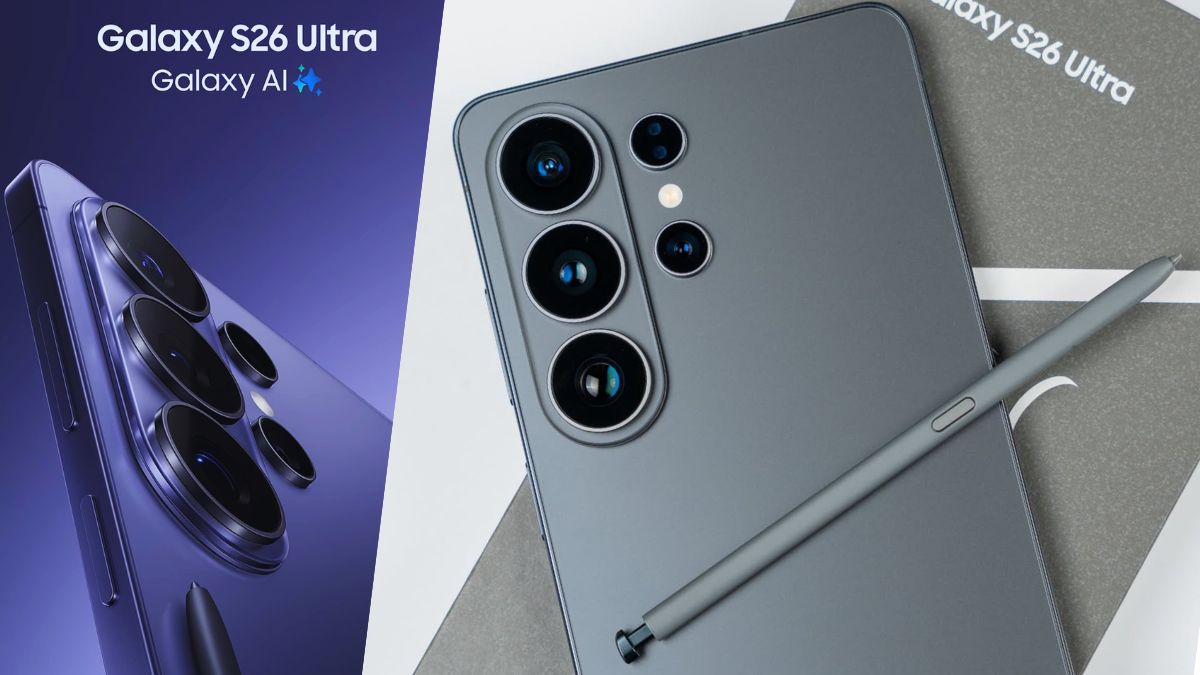
Samsung Galaxy S26 Ultra is one of Samsung’s most advanced flagship phones, released on March 11, 2026. It is the slimmest Ultra ever and comes with an upgraded Snapdragon 8 Gen 5 processor, faster 60W wired charging, a large display with a unique built-in Privacy Display, five advanced cameras, and Galaxy AI features. Its long-lasting battery and advanced camera system ensure excellent performance for both work and entertainment.
The Samsung Galaxy S26 Ultra Specifications highlight these premium features, showing why this phone delivers a truly top-tier mobile experience, and the phone is available in six stunning colors, giving users plenty of style options.

Samsung Galaxy S26 Ultra Specifications
Explore the Color Variants of the Samsung Galaxy S26 Ultra
  1. Black
  2. White
  3. Sky Blue
  4. Cobalt Violet
  5. Silver Shadow (Samsung website exclusive)
  6. Pink Gold (Samsung website exclusive)

Price and Availability

Last year, Samsung released the Samsung Galaxy S25 Ultra, and this year, Samsung released the Samsung Galaxy S26 Ultra with several upgrades.
The Samsung Galaxy S25 Ultra and S26 Ultra have the same prices for the 256 GB and 512 GB models, but the 1 TB model of the S26 Ultra is slightly more expensive at $1,799.99 compared to $1,659.99 for the S25 Ultra.
You can also check the Samsung Galaxy website for the official prices.

The prices of Samsung Galaxy S26 Ultra are shown below in the table :

Storage Price (USD)
256 GB $1,299.99
512 GB $1,499.99
1 TB $1,799.99

This table shows the official US prices of the Samsung Galaxy S26 Ultra according to storage capacity. Prices may vary depending on the region, retailer, taxes, or ongoing promotions.

Storage Price (GBP)
256 GB ~£1,280–£1,449
512 GB ~£1,450–£1,530
1 TB ~£1,530

This table shows the official UK prices of the Samsung Galaxy S26 Ultra based on storage capacity. Prices may vary depending on the retailer, region, taxes, or special promotions.

Samsung Galaxy S26 Ultra Specifications

The Samsung Galaxy S26 Ultra Specifications highlight a powerful flagship smartphone with a stunning AMOLED display, advanced 200MP camera system, fast performance, and a long-lasting 5000mAh battery, making it one of the most impressive Galaxy devices. More details are given below.

  • Operating System: Android 16, up to 7 major Android upgrades, One UI 8
  • Processor: Qualcomm Snapdragon 8 Elite Gen 5 for Galaxy (3nm)
  • Dimensions: 163.6 x 78.1 x 7.9 mm (6.44 x 3.07 x 0.31 inch)
  • Weight: About 214 g
  • Display: 6.9-inch Dynamic LTPO AMOLED 2X
  • Resolution: 3120 × 1440 pixels (QHD+)
  • Refresh Rate: 120Hz adaptive
  • RAM: 12GB / 16GB
  • Storage: 256GB / 512GB / 1TB (UFS 4.0)
  • Rear Camera: 200MP main + 50MP ultra-wide + 50MP periscope telephoto (5× zoom) + 10MP telephoto (3× zoom)
  • Front Camera: 12MP selfie camera
  • Video Recording: Up to 8K video recording
  • Battery: 5000mAh
  • Wired Charging: Up to 60W fast charging
  • Wireless Charging: Up to 25W wireless charging
  • Reverse Wireless Charging: 4.5W reverse wireless
  • Water and Dust Resistance: IP68 (up to 1.5m for 30 minutes)
  • Connectivity: 5G, Wi-Fi 7, Bluetooth 6.0 FC, USB-C
  • Security: Ultrasonic in-display fingerprint sensor
  • Special Features: Galaxy AI features, S Pen support, Samsung DeX

Display and Premium Design

Samsung Galaxy S26 Ultra Specifications
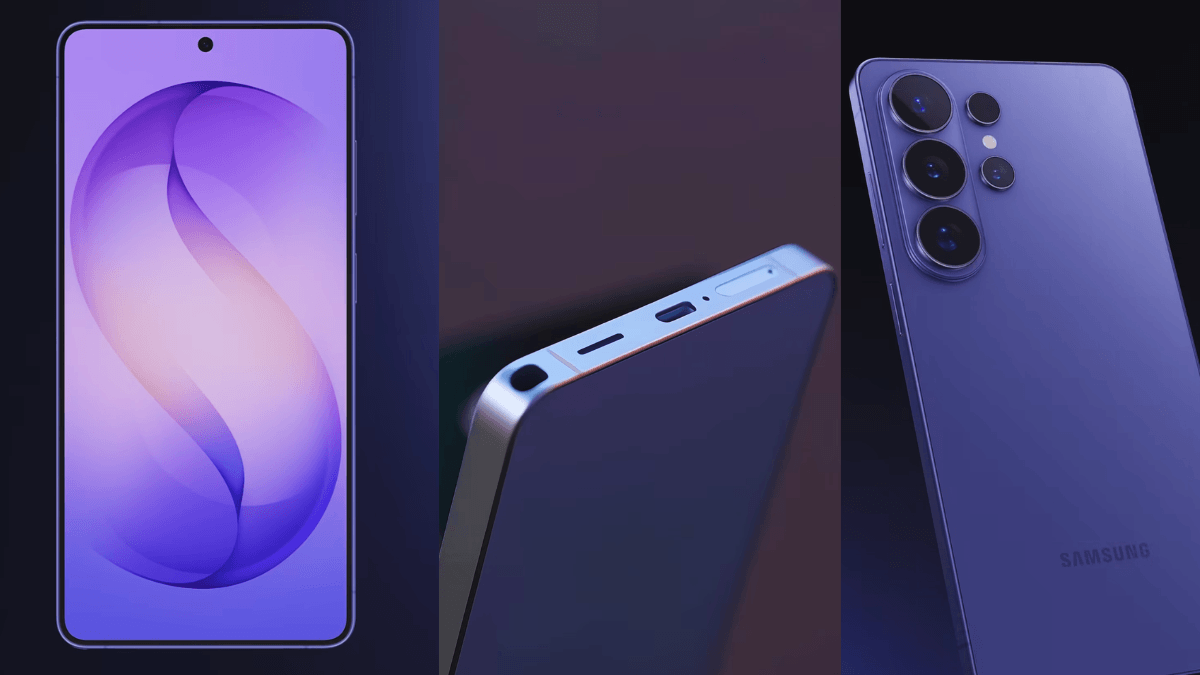
This phone features a sleek premium design with durable materials and a refined finish.

Display Features

The Samsung Galaxy S26 Ultra boasts a 6.9-inch Dynamic AMOLED 2X display with a high-resolution of 3120 × 1440 pixels, delivering crisp, sharp, and vibrant visuals. The front is protected by Corning Gorilla Glass Armor 2, ensuring excellent durability against scratches and minor drops.
With a peak brightness of 2600 nits, the display remains bright and clear even under direct sunlight, making it perfect for watching videos, gaming, or browsing outdoors. These display features are a key highlight of the Samsung Galaxy S26 Ultra Specifications.

Privacy Display

The Samsung Galaxy S26 Ultra introduces the world’s first mobile Privacy Display, designed to protect your personal information. With this feature, you can customize what to hide on your screen, including specific apps, incoming notifications, settings, the lock screen, or even when entering your PIN or password in secure folders. By manually turning on the Privacy Screen, the entire display becomes less visible to those around you, ensuring your data stays private.

In addition to enhanced privacy, the Galaxy S26 Ultra also features a refined design with a new glass camera island that seamlessly integrates with the device, combining both functionality and a premium look.

Design and Build

The Samsung Galaxy S26 Ultra measures 163.6 × 78.1 × 7.9 mm, making it the slimmest Ultra model ever while maintaining a perfectly balanced design. The back is made of Gorilla Glass Victus and features a durable Armor Aluminum frame, giving the phone a premium and sturdy feel. It also includes the largest vapor chamber in Samsung Galaxy history, ensuring efficient heat dissipation for smooth performance during gaming and heavy use.

Additionally, the device is IP68 rated, meaning it is water and dust resistant up to 1.5 meters for 30 minutes, providing extra durability and peace of mind. These design details are an important part of the Samsung Galaxy S26 Ultra Specifications.

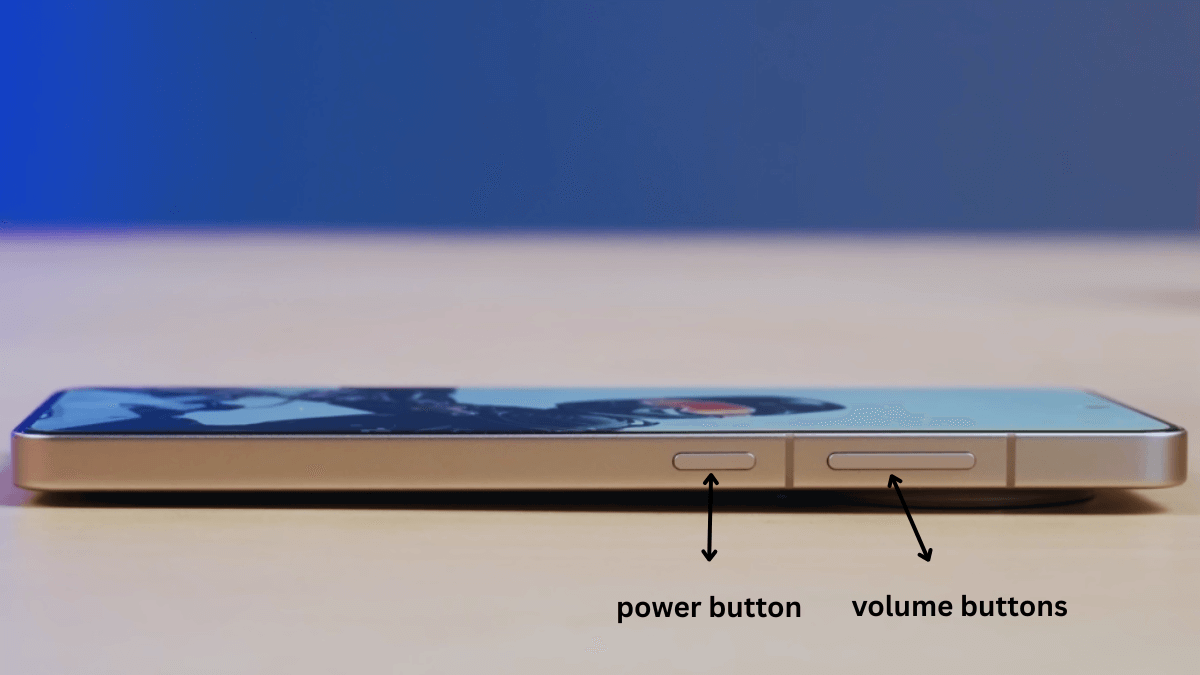
The Samsung Galaxy S26 Ultra is designed with a clean and functional layout. On the right side, it has two buttons: a power button for turning the phone on/off and locking the screen, and a volume button for adjusting sound. The left side has no buttons, keeping the design sleek and minimal. At the top, there are two openings: a primary microphone and an air vent, while the bottom houses the USB-C charging port, another microphone, the speaker grill, and the S Pen slot (if included). This thoughtful arrangement ensures both ease of use and a premium design.

 Camera System and Photography Features

Samsung Galaxy S26 Ultra Specifications
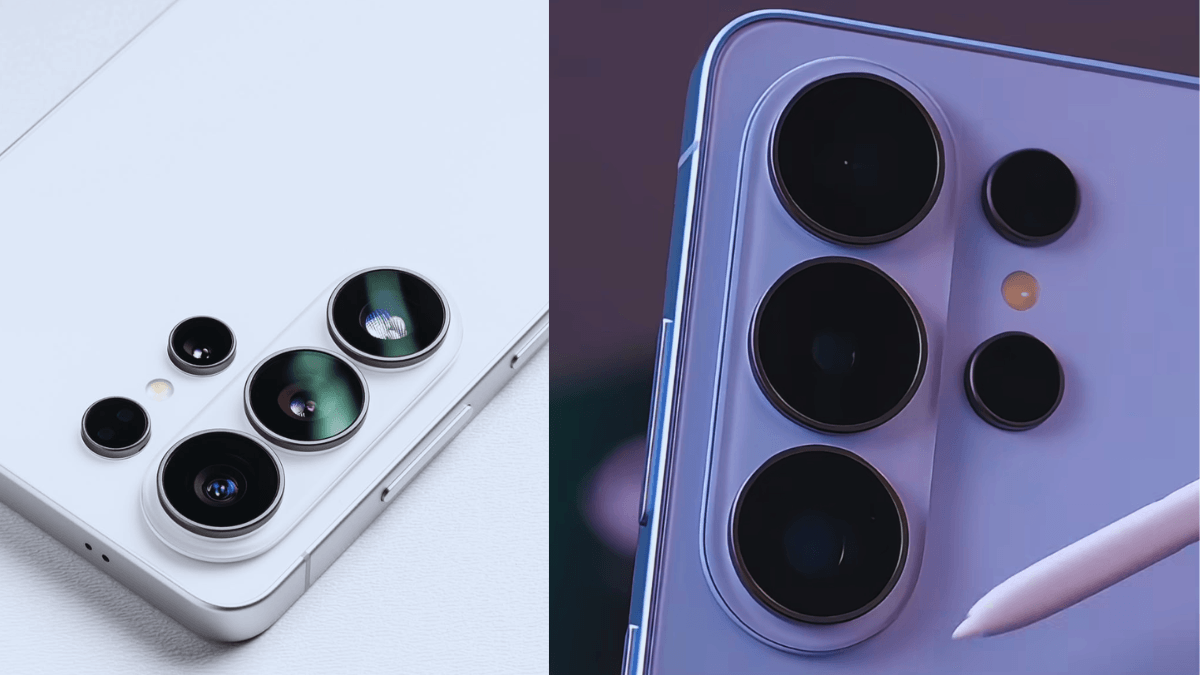
The powerful camera setup of the Samsung Galaxy S26 Ultra designed for stunning photos and videos.

The Samsung Galaxy S26 Ultra features the brightest camera system in Samsung Galaxy history, designed to capture clear and detailed photos in different lighting conditions. The phone has five cameras in total, including four rear cameras: a main wide camera, an ultra-wide camera, a telephoto camera, and a periscope telephoto camera for zoom photography.

In addition, it also includes one front camera for selfies and video calls, giving users a versatile camera system for both photos and videos.

Rear Cameras : 

  • 200MP main camera

This phone has a 200-megapixel main wide camera that can capture very detailed and high-resolution photos. Its ProVisual Engine processes images in real time to keep textures sharp and colors clear, helping produce rich, high-quality pictures. The f/1.4 aperture allows more light to enter the camera, helping take brighter photos, especially in low-light conditions. The 23mm wide lens is suitable for everyday photography such as landscapes, portraits, and general shots.
The 1/1.3-inch sensor helps capture more light and detail, while the 0.6µm pixels assist in producing sharp images.

It also includes multi-directional PDAF (fast autofocus), which quickly focuses on subjects, and OIS (Optical Image Stabilization) to reduce blur caused by hand movement. These advanced camera features are an important part of the Samsung Galaxy S26 Ultra Specifications.

  • 50MP ultra-wide camera

This phone includes a 50-megapixel ultra-wide camera that can capture a much wider scene (120° field of view) compared to the main camera. It is perfect for landscape photos, group pictures, and large environments.
The f/1.9 aperture allows a good amount of light to enter the camera, helping produce bright and clear photos even in moderately low light. The 1/2.5-inch sensor and 0.7µm pixels help capture detailed images.
It also features dual-pixel PDAF, which provides fast and accurate autofocus, and Super Steady video, which helps keep videos smooth and stable even when you are moving or walking. These ultra-wide camera capabilities are another highlight of the Samsung Galaxy S26 Ultra Specifications.

  • 50MP periscope telephoto (5× optical zoom)

This phone includes a 50-megapixel periscope telephoto camera that is designed for long-distance photography. The lens provides 5× optical zoom, allowing you to capture clear photos of faraway subjects without losing image quality.
The f/2.9 aperture helps the camera capture enough light for detailed images. The 111mm focal length is useful for zoom photography such as wildlife, sports, or distant objects.
It also features PDAF (fast autofocus) to quickly focus on the subject and OIS (Optical Image Stabilization) to reduce blur and keep zoomed photos sharp.
The periscope telephoto camera also supports up to 100× AI-powered Space Zoom, using the telephoto lens and AI processing to capture distant subjects clearly. These zoom capabilities are another impressive part of the Samsung Galaxy S26 Ultra Specifications.

  • 10MP telephoto (3× optical zoom)

This phone also includes a 10-megapixel telephoto camera that supports 3× optical zoom, allowing you to take clear photos of subjects that are a little far away without losing image quality.
The f/2.4 aperture helps capture good images in normal lighting conditions, while the 67mm focal length is useful for portrait photos and moderate zoom shots.
It also features PDAF (fast autofocus) for quickly focusing on the subject and OIS (Optical Image Stabilization) to reduce blur and keep images sharp, especially when zooming.

Video Recording : 

The rear camera of the Samsung Galaxy S26 Ultra includes advanced features such as Laser Autofocus for fast focusing, Best Face for better group photos, Horizon Lock for level videos, and LED flash for low-light photography. It also supports auto-HDR and panorama mode to improve photo quality. For video recording, the camera can capture 8K video at 24/30fps, 4K at up to 120fps, and 1080p slow-motion videos up to 240fps.

Additional features like 10-bit HDR, HDR10+, stereo sound recording, and gyro-EIS stabilization help produce clearer, smoother, and more detailed videos making the camera a key highlight of the Samsung Galaxy S26 Ultra Specifications.

Front Camera:

The front camera of the Samsung Galaxy S26 Ultra features a 12-megapixel wide-angle lens with an f/2.2 aperture and dual-pixel autofocus, allowing it to quickly focus and capture clear selfies. It also supports HDR and HDR10+, which help balance lighting and improve colors in photos.

In addition, the camera uses an AI Image Signal Processor (ISP) to enhance image quality by accurately adjusting highlights and shadows, producing natural skin tones and better details such as hair and eyebrows for more realistic-looking selfies. These features are also part of the Samsung Galaxy S26 Ultra Specifications.

Video Recording:

The selfie camera of the Samsung Galaxy S26 Ultra supports video recording up to 8K resolution, allowing users to capture very detailed videos. It also features super image stabilization, which helps keep videos smooth and stable even when there is movement. The front camera can record 4K videos at 30fps or 60fps and 1080p videos at 30fps, making it suitable for high-quality video calls, vlogging, and social media recording. These video capabilities further enhance the Samsung Galaxy S26 Ultra Specifications

Photography Features

Nightography video

The camera of the Samsung Galaxy S26 Ultra is designed to perform very well in low-light conditions. The 200MP wide-angle camera now features a brighter f/1.4 aperture, which improves lens brightness by about 47%, allowing the camera to capture more light. This helps produce clearer, brighter, and more detailed photos and videos at night. The telephoto camera with an f/2.9 aperture is also about 37% brighter, improving zoom shots in darker environments.

In addition, advanced noise reduction technology works with the phone’s processor to reduce image noise during nighttime video recording. This ensures that videos remain sharp, vibrant, and detailed even after sunset. Whether you are recording city lights, night landscapes, or indoor events, the camera can capture more vivid and cinematic moments with clear and bright results at night. These improvements further highlight the Samsung Galaxy S26 Ultra Specifications.

Turn your photos into stickers with just one tap

On the Samsung Galaxy S26 Ultra, a new space called Creative Studio allows us to create our own original sticker sets. We can combine text, sketches, and photos to design unique stickers. By simply entering a short text description or drawing a rough sketch, Galaxy AI generates creative sticker designs automatically. These stickers can then be added to the keyboard and easily shared with friends, making it another interesting feature of the Samsung Galaxy S26 Ultra Specifications.

Photo assist

Photo Assist on the Samsung Galaxy S26 Ultra uses Galaxy AI to make photo editing simple and powerful. We can edit images by typing a short instruction in natural language, and the AI will automatically apply the changes. We can quickly adjust photos, remove or add objects, and enhance images with studio-level editing tools. With Photo Assist, even complex photo edits can be completed easily in just a few seconds, making it another smart feature in the Samsung Galaxy S26 Ultra Specifications.

Performance and Processor Power

The Samsung Galaxy S26 Ultra is powered by the Snapdragon 8 Elite Gen 5 for Galaxy, a customized processor designed specifically for Samsung devices. It is considered one of the most powerful processors in Samsung Galaxy history, built to handle multitasking, gaming, and Galaxy AI features smoothly. The processor includes an advanced CPU, GPU, and NPU, which improve overall performance.

Compared to the previous model, the NPU is about 39% faster for AI tasks, the GPU offers around 24% better graphics performance comparison with Galaxy S25 Ultra and the CPU improves processing speed by about 19%. This makes the phone ideal for demanding activities such as high-end mobile gaming and AI-powered features.

The device also features a new vapor chamber cooling system with improved thermal management, allowing heat to dissipate more efficiently and keeping performance stable during long gaming sessions. As a result, users can enjoy fast, smooth, and responsive gameplay with better graphics and realistic lighting effects. These performance improvements are an important part of the Samsung Galaxy S26 Ultra Specifications.

Battery Life and Charging Technology

The Samsung Galaxy S26 Ultra features an ultra-long-lasting 5000mAh battery with ultra-fast charging technology. It supports Super Fast Charging 3.0, allowing the device to charge quickly without affecting battery health. Under optimal conditions, the phone can reach around 75% battery in about 30 minutes, making it convenient for users with busy schedules.

In addition, the powerful battery can provide up to 31 hours of video playback on a single charge, ensuring long-lasting performance for streaming, gaming, and everyday use. These battery features are another highlight of the Samsung Galaxy S26 Ultra Specifications.

Software Experience and AI Features

The Samsung Galaxy S26 Ultra runs on Android 16 with Samsung’s One UI, offering a smooth and user-friendly software experience. It also includes Galaxy AI features that help with tasks like photo editing, translation, and productivity, making the phone smarter and easier to use in everyday situations. In addition, its customized processor enhances AI performance through improvements to the NPU, GPU, and CPU, enabling faster processing and better overall performance. These software features are also part of the Samsung Galaxy S26 Ultra Specifications, and other features are explained below.

Now Nudge

Now Nudge, a new feature powered by Galaxy AI on the Samsung Galaxy S26 Ultra, makes daily tasks faster and easier. It reads the context on your screen and suggests helpful shortcuts, intelligently anticipating your next action. For example, if a friend or family member asks for photos from a recent trip, Now Nudge can automatically select the photos from your Gallery. Once you choose the images, you can send them with just a few taps, saving time and effort. This smart feature is also part of the Samsung Galaxy S26 Ultra Specifications.

Now Brief

With Now Brief on the Samsung Galaxy S26 Ultra, you can simplify your daily routine. This feature tracks your activities and understands your habits better than ever, providing concise updates throughout the day. It can suggest exercise playlists, reminders for important appointments, and even highlight special moments during travel, helping you stay organized and make the most of your day. This intelligent feature is also included in the Samsung Galaxy S26 Ultra Specifications.

Pros and Cons

The Samsung Galaxy S26 Ultra Specifications highlight many impressive features, including powerful performance, a stunning AMOLED display, an advanced 200MP camera system, and a long-lasting 5000mAh battery. However, like any flagship smartphone, it also has a few drawbacks such as its high price, large size, and the lack of a microSD card slot.

Understanding the pros and cons of the Samsung Galaxy S26 Ultra Specifications can help users decide whether this premium device is the right choice for them. The pros and cons are listed in two sections below.

Pros

  • Top‑tier performance: Fast and smooth performance for all tasks.

  • Advanced camera system: Captures sharp and clear photos and videos.

  • Privacy display feature: Keeps your screen content private from prying eyes.

  • S Pen integration: Easy note-taking and precise control with the S Pen.

  • Long software support: Get updates and security patches for years.

  • Premium build: Stylish and durable design with high-quality materials.

Cons

  • High price tag: Expensive compared to other phones.

  • Display issues for some users: Some users may notice screen problems.

  • No native Qi2 magnets: Lacks built-in Qi2 magnetic support.

  • Incremental upgrades over S25 Ultra: Only small improvements from the previous model.

  • No microSD card slot: Cannot expand storage with a memory card.

  • Size and weight: Feels big and heavy for some users.

Final Verdict: Is It Worth Buying?

The Samsung Galaxy S26 Ultra offers impressive upgrades over its predecessor, including advanced cameras, a faster processor, and an enhanced display. While the 1 TB model is slightly more expensive than the S25 Ultra, the overall performance, design, and features make it a strong choice for a premium smartphone.

If you’re looking for the latest technology, the Samsung Galaxy S26 Ultra Specifications show that it delivers a versatile camera system, powerful performance, and a sleek design—making it well worth considering.

Read more:
 

Posted on Leave a comment

Samsung Galaxy S26 Plus Review: Amazing Features, Powerful Performance & What to Expect in 2026

Samsung Galaxy S26 Plus Review

Samsung Galaxy launched its new S26+ on February 25, 2026, and it is expected to release globally on March 11, 2026. People are very excited about this phone because it comes with powerful performance, a great camera system, long battery life, and smart AI features that make daily use easier. In this Samsung Galaxy S26 Plus Review:, we will look at the Galaxy S26+’s design, features, camera, battery, storage options, price, and whether it’s worth waiting for.

Samsung Galaxy S26 Plus Review
The Samsung Galaxy S26+ showcases a large immersive display on the front and a sleek premium design with a triple-camera system on the back.

The Samsung Galaxy S26+ is available in six colors: Cobalt Violet, Sky Blue, Black, and White. Samsung also offers two special colors — Silver Shadow and Pink Gold — that are only available on its official online store.
[ Color availability may differ depending on the country and mobile carrier. ]

Samsung Galaxy S26+ specifications at a glace

In this Samsung Galaxy S26 Plus Review, here are the key specifications of the device, including its display, processor, camera system, battery capacity, and other important features you should know before buying.

Operating System Android 16, up to 7 major Android upgrades, One UI 8.5
Processor Qualcomm Snapdragon 8 Elite Gen 5 (3nm)
Dimensions 158.4 × 75.8 × 7.3 mm (6.24 × 2.98 × 0.29 inch)
Display 6.7-inch Dynamic AMOLED 2X
Resolution 3120 × 1440 pixels (QHD+)
RAM 12GB
Storage 256GB / 512GB (UFS 4.0)
Rear Camera 50MP main + 12MP ultra-wide + 10MP telephoto (3× optical zoom)
Front Camera 12MP selfie camera
Video Recording Up to 8K video recording
Refresh Rate 120Hz adaptive refresh rate
Battery 4900mAh
Charging 45W wired fast charging
Wireless Charging 20W wireless charging + reverse wireless charging
Water & Dust Resistance IP68 (immersible up to 1.5m for 30 minutes), dust and water resistant
Connectivity 5G, Wi-Fi 7, Bluetooth 5.4, NFC, USB-C
Security Ultrasonic in-display fingerprint sensor
Weight About 190g
Colors Black, Sky Blue, Violet, Silver, Pink Gold

Camera Features and Upgrades

Samsung Galaxy S26 Plus Review
The Samsung Galaxy S26+ features a powerful triple-camera setup designed to capture sharp photos and detailed 4K videos.

The Samsung Galaxy S26+ comes with a powerful triple camera setup, including a 50MP main camera, 10MP telephoto lens with 3× zoom, and a 12MP ultra-wide camera, along with a 12MP front camera for selfies and video calls.

The Samsung Galaxy S26+ includes several useful camera features that help users capture better photos and videos. It supports Nightography for low-light photography, Optical Image Stabilization for steady shots, and 3× optical zoom for distant subjects.

The phone also offers HDR photos, portrait mode, panorama mode, and 8K video recording. With Samsung’s ProVisual AI engine, the camera can automatically improve colors, brightness, and details for clearer images.

Battery Life and Charging Speed

The Samsung Galaxy S26+ is equipped with a 4,900 mAh battery that can easily last a full day with normal use. The phone supports 45W fast charging, allowing it to reach about 69% battery in around 30 minutes. It also supports wireless charging and reverse wireless charging, so you can charge accessories like earbuds or smartwatches directly from the phone.

Software and AI Features

The Samsung Galaxy S26+ runs on Android 14 with One UI 6.1, offering a smooth and user-friendly experience. The phone is powered by Samsung’s advanced Exynos 2600 (2nm) processor, paired with the Xclipse 960 GPU, delivering fast performance, efficient power usage, and improved graphics for gaming and everyday tasks.

It also comes with AI-powered features that enhance everyday use, such as automatically improving photos and videos, providing smart app suggestions, enabling faster voice commands, and supporting better multitasking. In addition, Samsung includes advanced security and privacy tools to help keep your data safe while using the phone.

Expected Price and Release Date

The Samsung Galaxy S26+ was officially announced on February 25, 2026, with pre-orders opening shortly after. The phone is expected to launch globally on March 11, 2026. It comes in two storage options — 256 GB and 512 GB — with the 256 GB model priced at $1,099.99 and the 512 GB version at $1,299.99. The Galaxy S26+ is priced similarly to other flagship phones like the iPhone 17 Pro (reveiw), making it a direct competitor in the premium smartphone market.

If you’re looking for a high-end flagship with advanced features, powerful performance, and ample storage, the Samsung Galaxy S26+ is shaping up to be one of the most anticipated phones of 2026.You can also check the price of the Samsung Galaxy S26(review), which is about $200 cheaper than the S26+. Both phones share many core features, including the same camera setup and chipset, but the S26+ offers a bigger display, larger battery, and faster charging, which helps justify its higher price.

Storage Variant Expected US Price
256 GB $1,099.99
512 GB $1,299.99

Samsung Galaxy S26+ Pros and Cons (Expected)

Before deciding if the Samsung Galaxy S26+ is the right phone for you, here’s a quick look at its expected advantages and drawbacks based on leaks and early information.

 Pros

  • Powerful performance for gaming and multitasking
  • Triple camera setup with advanced features (Nightography, 8K video)
  • Smooth, high-refresh-rate display
  • Long-lasting battery with fast and wireless charging
  • Premium design and build

Cons

  • Expensive starting at $1,099.99
  • Large size may feel bulky
  • Modest upgrades compared to previous models
  • Charger may not be included


Final Verdict: Is Samsung Galaxy S26+ Worth Waiting For?

The Samsung Galaxy S26+ looks like one of the most promising flagship phones of 2026. In this Samsung Galaxy S26 Plus Review, we can see that with its powerful performance, advanced camera system, smooth display, and long‑lasting battery, it caters well to both everyday users and power users alike. The addition of AI‑enhanced software features makes everyday tasks easier and more intuitive.

While the price is on the higher side and the upgrades may not feel massive compared to its predecessor, the Galaxy S26+ still offers a solid all‑round experience that many will find worth the wait — especially if you’re looking for a premium smartphone with great performance and cutting‑edge capabilities.

Read more :

Posted on 2 Comments

Samsung Galaxy S26 Specifications: Price, Camera, Battery, Display, and Powerful Features Explained

This year, Samsung launched a new powerful phone, the Samsung Galaxy S26, announced on February 25, 2026, brings several exciting upgrades that make it one of the most advanced smartphones of the year. The Samsung Galaxy S26 specifications highlight the powerful features like Galaxy AI features that help users perform everyday tasks more easily, such as editing photos, organizing notes, and using smart assistance. It is powered by the Qualcomm Snapdragon 8 Elite Gen 5 (3nm) processor, which delivers fast performance, smooth graphics, and efficient power usage. The phone also includes a triple-camera system with advanced AI tools, including Nightography video and smart photo editing, allowing users to capture clearer photos and videos even in low-light conditions. Overall, the Galaxy S26 combines smart technology, powerful performance, and advanced camera features to create a modern smartphone designed for everyday life. This Phone is available in six attractive colors,

  1. Cobalt Violet
  2. Sky Blue
  3. Black
  4. White
  5. Pink Gold (Samsung online exclusive)
  6. Silver Shadow (Samsung online exclusive)

Samsung Galaxy S26 specifications

Looking at the Samsung Galaxy S26 specifications, the phone includes a Qualcomm Snapdragon 8 Elite Gen 5 (3nm) processor, a powerful triple-camera setup, a 120Hz AMOLED display, a 4300 mAh battery with fast charging, and advanced Galaxy AI features. Other specifications are listed below.

  • Operating System: Android 16,up to 7 major Android upgrades, One UI 8.5
  • Processor: Qualcomm Snapdragon 8 Elite Gen 5 (3nm)
  • Dimensions: 149.6 × 71.7 × 7.2 mm(5.89 x 2.82 x 0.28 inch)
  • Display: 6.3-inch Dynamic AMOLED
  • Resolution: 2340 × 1080 pixels (FHD+)
  • RAM: 12GB
  • Storage: 256GB / 512GB (UFS 4.0)
  • Rear Camera: 50MP main + 12MP ultra-wide + 10MP telephoto (3× optical zoom)
  • Front Camera: 12MP selfie camera
  • Video Recording: Up to 8K video
  • Refresh rate : 120Hz (immersible up to 1.5m for 30 min)
  • Battery: 4300mAh
  • Charging: 25W wired fast charging
  • Wireless Charging: 15W wireless charging + reverse wireless charging
  • Water and Dust Resistance: IP68 (immersible up to 1.5m for 30 min) dust and water resistance
  • Connectivity: 5G, Wi-Fi 7, Bluetooth 5.4, NFC, USB-C
  • Security: Ultrasonic in-display fingerprint sensor
  • Weight: About 167g
  • Colors: Black, Sky Blue, Violet, Silver, Pink Gold

Samsung Galaxy S26 Price, Storage Options, and Availability

The Samsung Galaxy S26 comes with multiple storage options and a premium flagship price. Samsung removed the 128GB variant this year, so the Galaxy S26 now starts with 256GB of storage as the base model. This gives users more space for apps, photos, videos, and files without needing to upgrade immediately.

In terms of price, the Galaxy S26 (256GB) starts at $899 in the United States, while the 512GB storage model costs around $1,099.99. These prices place the Galaxy S26 in the premium smartphone category while still offering strong value with its upgraded performance, camera system, and storage capacity.

Samsung officially announced the Galaxy S26 series in February 2026, and the device became available in stores starting March 2026. Customers can buy the phone through Samsung’s official website, major electronics retailers, and mobile carriers in many countries.

During the launch period, Samsung and some retailers may also provide pre-order offers such as trade-in discounts, bundle deals, or temporary storage upgrades. These offers can help buyers get additional value when purchasing the device early.

Samsung Galaxy S26 Camera System and Photography Features

Samsung Galaxy S26 Specifications
The Samsung Galaxy S26 features a powerful triple-camera setup designed for high-resolution photos, AI-enhanced photography, and stunning video recording.

The Samsung Galaxy S26 features a versatile triple rear camera system designed to capture clear photos and high-quality videos in different situations. The main camera uses a 50MP wide lens with an f/1.8 aperture and a 24mm focal length, allowing it to capture detailed images with good brightness and color. It also includes dual-pixel PDAF and optical image stabilization (OIS), which help the camera focus quickly and reduce blur while taking photos or recording videos. In addition, the main camera supports 2× optical-quality zoom, allowing you to zoom in while maintaining good image clarity.

Along with the main camera, the phone includes a 10MP telephoto camera with an f/2.4 aperture and a 67mm lens, which supports 3× optical zoom. This lens is useful for capturing subjects that are farther away while keeping the image sharp and detailed. The third camera is a 12MP ultra-wide lens with an f/2.2 aperture and a 120-degree field of view, making it ideal for landscape photography, group photos, and wide scenes where you want to capture more of the environment in a single shot.

The rear camera system also includes several useful photography features such as Best Face for better group photos, Horizon Lock for stable video framing, LED flash, Auto-HDR for balanced lighting, and Panorama mode for wide landscape shots. For video recording, the Galaxy S26 supports 8K video at 24 or 30 frames per second, 4K video at 30 or 60 frames per second, and 1080p video up to 240 frames per second. Additional video technologies such as 10-bit HDR, HDR10+, stereo sound recording, and gyro-based electronic image stabilization (EIS) help produce smoother and more detailed videos.

On the front, the Galaxy S26 includes a 12MP selfie camera with an f/2.2 aperture and a 26mm wide lens. This camera uses dual-pixel PDAF to provide fast and accurate focusing, making it suitable for selfies, video calls, and content creation. The front camera also supports HDR and HDR10+, and it can record 4K video at 30 or 60 frames per second as well as 1080p video at 30 frames per second.

The phone also introduces advanced software features to improve the camera experience. The Nightography video feature brightens scenes and sharpens details when recording in low-light environments using advanced image processing. In addition, Photo Assist powered by Galaxy AI allows users to edit photos easily by typing simple instructions, making photo editing faster and more convenient.

Samsung Galaxy S26 Design and Display Features

Samsung Galaxy S26 Specifications: Price
The Samsung Galaxy S26 features a stunning AMOLED display with ultra-thin bezels and a sleek premium design.

The Samsung Galaxy S26 features a modern and premium design that is both stylish and comfortable to hold. The phone has dimensions of 149.6 × 71.7 × 7.2 mm (5.89 × 2.82 × 0.28 inches) and weighs about 167 grams, making it slim and lightweight for everyday use. Its thin 7.2 mm thickness helps the device feel comfortable in the hand and easy to carry in a pocket.

Samsung built the Galaxy S26 with strong and durable materials. It uses an Armor Aluminum frame along with Corning Gorilla Glass Victus 2 on both the front and back of the device. This combination provides better protection against scratches and accidental drops while maintaining a premium glass finish.

The phone also introduces a new translucent camera island design, which blends smoothly with the back panel and gives the device a more unified and modern look. The curved edges and balanced design help the phone feel natural and comfortable when holding it for long periods.

Samsung kept the button layout simple and easy to use. On the right side, there are two buttons: the power (side) button and the volume up/down buttons, which allow users to control the phone and adjust sound quickly. The left side has no physical buttons, giving the device a clean and minimal appearance. On the bottom side, you will find the USB-C charging port, speaker grille, microphone, and SIM card tray, while the top side includes a secondary microphone that helps reduce background noise during calls and video recording.

For wireless accessories, the Galaxy S26 does not include built-in MagSafe magnets like some other smartphones. However, users can still use MagSafe-style chargers and accessories by using a compatible magnetic phone case.

Overall, the Galaxy S26 combines a slim design, durable materials, and a simple button layout, making it both stylish and practical for daily use.

Samsung Galaxy S26 Processor and Performance

Samsung Galaxy S26 Specifications
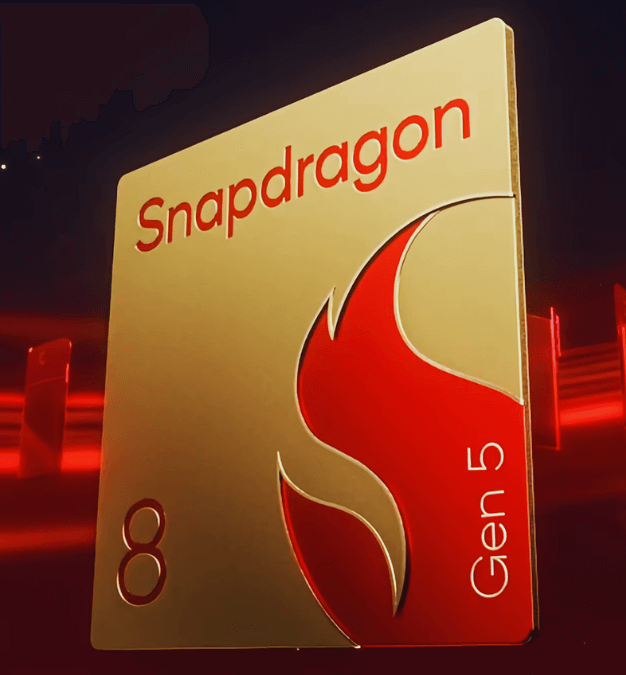
The powerful Snapdragon 8 Elite Gen 5 processor delivers ultra-fast performance, improved efficiency, and advanced AI capabilities for flagship smartphones.

The Samsung Galaxy S26 is powered by a powerful processor that is customized especially for Galaxy devices. Depending on the region, the phone comes with either the Qualcomm Snapdragon 8 Gen 5 for Galaxy chip or Samsung Exynos 2600 processor. Both processors are designed to deliver fast speed, smooth graphics, and strong performance for everyday tasks and demanding activities. Whether you are gaming, streaming videos, or switching between multiple apps, the device stays fast and responsive.

The Galaxy S26 also includes smart tools that make everyday tasks easier. You can quickly edit photos, translate languages, and take notes using built-in Galaxy AI features. These intelligent tools help you create, edit, and stay organized more efficiently. At the same time, the display improves image details and shows brighter, richer colors, making photos, videos, and apps look clearer and more vibrant.

To maintain strong performance, the Galaxy S26 features an improved cooling system. It uses a redesigned vapor chamber and upgraded thermal materials that remove heat more efficiently, improving heat dissipation by up to 29%. This helps keep the phone cooler during heavy use such as gaming, watching long videos, or running demanding apps. With advanced technologies like ray tracing and Vulkan optimization, the device can maintain powerful performance for longer periods without overheating.

Samsung Galaxy S26 Battery Life and Charging

The Samsung Galaxy S26 comes with a 4300 mAh battery that is designed to last throughout the day. With this battery capacity, the phone can provide up to 30 hours of video playback, making it great for watching movies, streaming videos, or browsing for long periods without worrying about running out of power.

The Galaxy S26 also supports fast wired charging, which helps you recharge the battery quickly when it runs low. Using 25W wired charging with USB Power Delivery 3.0, the phone can reach about 55% charge in around 30 minutes, and it can go up to about 69% in roughly the same time, so you can get back to using your device quickly without waiting too long.

In addition to wired charging, the phone supports 15W wireless charging with Qi2 compatibility, allowing you to charge the device conveniently without cables. It also includes 4.5W reverse wireless charging, which lets you share battery power with other compatible devices such as wireless earbuds or another smartphone. This combination of a long-lasting battery and multiple charging options helps you stay connected and continue your day without interruptions.

Final Thoughts and Verdict on Samsung Galaxy S26

The Samsung Galaxy S26 is a powerful and well-balanced flagship smartphone that offers a strong combination of performance, smart features, and premium design. The Samsung Galaxy S26 specifications show that the device is built with modern technology, including a next-generation processor, advanced Galaxy AI tools, and a capable triple-camera system. Compared to the Samsung Galaxy S25(review), the S26 brings noticeable improvements in performance, camera capabilities, and battery efficiency, making it a worthy upgrade for users who want the latest features. The phone also includes a smooth 120Hz display, durable build quality with Corning Gorilla Glass Victus 2, and a long-lasting 4300 mAh battery with fast charging support.

Overall, the Galaxy S26 is a great option for users who want a modern smartphone with smart AI features, strong performance, and a high-quality camera system. While it sits in the premium price category, the combination of advanced technology and powerful hardware makes the Samsung Galaxy S26 a solid choice for anyone looking for a reliable flagship smartphone in 2026.

Read more:
Posted on Leave a comment

iPhone 17e Review 2026: Is Apple’s Most Affordable iPhone Worth Buying?

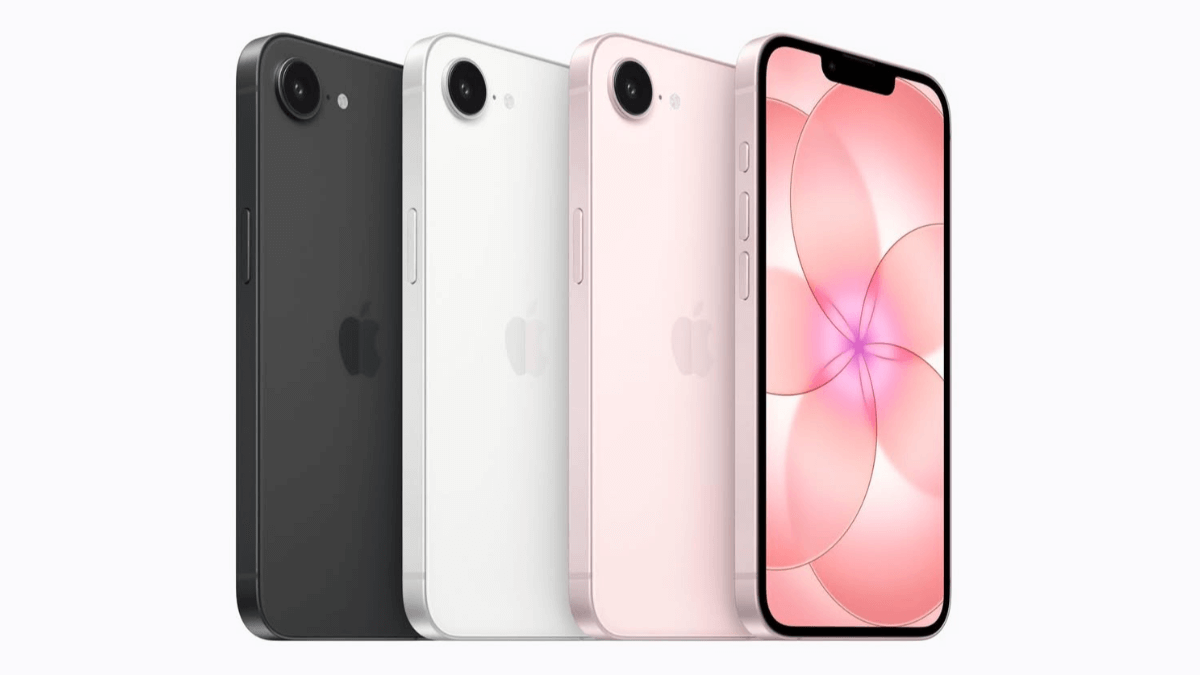
When Apple introduced the Apple iPhone 16e in 2025, it quickly became a popular choice for users looking for an affordable yet powerful iPhone. On March 4, 2026, Apple officially announced the Apple iPhone 17e, bringing several important upgrades in performance, durability, and overall user experience. In this iPhone 17e Review 2026, we take a closer look at what the new model offers and how it improves on its predecessor. The device now starts with 256GB of storage, giving users more space for apps, photos, and videos compared to the previous generation. The iPhone 17e is available in three beautiful colors :

iPhone 17e Review 2026
iPhone 17e in three colors – Black, White, and Soft Pink, front and back view from left to right.
  1. Black
  2. White
  3. Soft Pink

One of the biggest improvements in the iPhone 17e is the latest-generation A19 chip, which delivers faster performance and better efficiency. This powerful processor allows smooth AAA gaming, 4K video streaming, and improved multitasking, making the phone feel quicker and more responsive in everyday use. Apple has also improved the device’s durability with Ceramic Shield 2 glass, offering 3× better scratch resistance than the iPhone 16e.

With these upgrades in performance, storage, and durability, many users are now wondering whether upgrading from the iPhone 16e to the newer iPhone 17e is really worth it.

In this detailed comparison, we will break down the key differences between the iPhone 16e and iPhone 17e, including design, performance, battery life, camera quality, pricing, and overall value, to help you decide which iPhone is the better choice in 2026.

iPhone 17e specifications at a glance

While looking at the iPhone 17e Specifications at a Glance, it delivers strong overall performance with the latest A19 chip, providing fast and smooth operation for everyday tasks, gaming, and multitasking. It runs on iOS 26 with Apple Intelligence, bringing smarter features and improved AI-powered tools. The phone also includes a 48MP Fusion camera, allowing users to capture clear photos and detailed 4K video recordings with ease. More specifications are listed below.

  • Display: 6.1″ Super Retina XDR
  • Dimension: 146.7 × 71.5 × 7.8 mm (5.78 x 2.81 x 0.31 inch)
  • Processor: Apple A19(3 nm) chip
  • OS: iOS 26
  • GPU: 4‑core GPU with Neural Accelerators
  • RAM: 8 GB
  • Storage: 256GB / 512GB
  • Rear Camera: 48 MP (main) with OIS
  • Front Camera: 12 MP TrueDepth
  • Video: Up to 4K Dolby Vision HDR
  • Battery: All-day battery with fast USB-C charging
  • Charging: USB-C + MagSafe
  • Wireless: MagSafe & Qi2 support
  • Connectivity: 5G, Wi-Fi 7, Bluetooth 5.3
  • OS: iOS 26
  • Durability: IP68 water & dust resistance
  • Colors: Black, White, Soft Pink

Display

The Apple iPhone 17e features a 6.1-inch Super Retina XDR OLED display that delivers bright colors and sharp details for everyday use. The phone has a resolution of 2532 × 1170 pixels, a 19.5:9 aspect ratio, and about 460 pixels per inch (ppi), which means text looks crisp and images appear clear whether you are watching videos, playing games, or browsing the web. It also supports HDR and True Tone, with peak brightness up to 1,200 nits, making the screen easy to see even in bright outdoor conditions.

For durability, the display is protected by Ceramic Shield 2 glass, which offers 3× better scratch resistance than the iPhone 16e and is designed to be tougher than most smartphone glass. The device itself has compact dimensions of 146.7 × 71.5 × 7.8 mm (5.78 × 2.81 × 0.31 inches), making it comfortable to hold while still offering a large display.

Connectivity

The Apple iPhone 17e comes with modern connectivity features for faster and smoother connections. It supports 5G for high-speed internet, Wi-Fi 7 for quicker and more stable wireless performance, and Bluetooth 5.3 for reliable connections with wireless devices. The phone also includes NFC for contactless payments and multi-system GPS positioning for accurate navigation.

 Design & Durability

The Apple iPhone 17e features a sleek and modern design with a durable aluminum frame and glass back, giving the phone a premium look and feel. It has a slim 7.8 mm thickness and weighs 169 grams, making it comfortable to hold and easy to use throughout the day. The device is also IP68 rated, which means it is resistant to water, dust, and splashes for better durability in everyday situations.

In terms of button placement, the Volume Up, Volume Down, and Action Button are located on the left side, while the Side (Power) button is on the right side. At the bottom, the phone includes a USB-C charging port, speaker grille, and microphone, providing a clean and functional layout.

iPhone 17e Camera Review: 48MP Performance Tested

In this iPhone 17e Camera Review, we take a closer look at its powerful camera, next-generation portrait mode, and 4K video capabilities. The Apple iPhone 17e comes with a powerful camera system designed to capture clear photos and high-quality videos. It features a 48 MP Fusion rear camera that combines advanced technology to deliver sharp images with rich details. With optical image stabilization, the camera helps reduce blur and keeps photos steady even when your hands move slightly. The phone also includes a 2× telephoto mode, allowing you to zoom in closer to your subject while maintaining good image quality.

On the front, the phone features a 12 MP TrueDepth camera, which is great for selfies and video calls. It also supports 4K video recording and 1080p slow-motion video, making it easy to record creative and high-quality front-facing videos. Overall, the camera system is designed to provide a smooth and impressive photography experience for everyday moments.

Next-Generation Portraits on iPhone 17e

The Apple iPhone 17e introduces next-generation Portrait mode, making it easier than ever to capture professional-looking photos. Powered by the 48MP Fusion camera, the phone can detect depth more accurately and create a natural background blur that helps your subject stand out. This means portraits look sharper, more detailed, and more realistic, even in different lighting conditions.

With improved image processing and smart AI features, users can quickly take beautiful portrait shots of people, pets, or objects without needing advanced photography skills. The result is clear, vibrant portraits with natural skin tones and smooth background separation, giving your photos a more polished and professional look.

iPhone 17e Battery Life & Performance

Battery & Charging

When discussing iPhone 17e Battery Life & Performance, the phone  comes with a 4,005 mAh battery designed to provide all-day battery life for everyday activities like browsing, watching videos, and playing games. With a full charge, the device can deliver up to 26 hours of video playback, allowing users to enjoy entertainment for long periods without worrying about battery life.

The phone supports fast charging through USB-C, which can charge the battery up to 50% in about 30 minutes when using a 20W power adapter or higher. It also supports MagSafe wireless charging and Qi wireless charging up to 15W, making it easy and convenient to charge the device without cables.

Overall, the combination of a large battery, fast USB-C charging, and MagSafe wireless charging ensures that the iPhone 17e offers reliable battery performance throughout the day.

Performance

iPhone 17e Review 2026
The iPhone 17e is powered by the latest A19 chip, delivering fast performance, smooth multitasking, and advanced AI capabilities.

The Apple iPhone 17e is powered by the latest-generation Apple A19 chip, delivering fast and efficient performance for everyday tasks and demanding applications. The processor includes a 6-core CPU and a 4-core GPU, providing smooth performance for multitasking, gaming, and high-resolution media playback. This powerful chip also supports hardware-accelerated ray tracing, which improves graphics quality and makes AAA mobile games look more realistic.

The device also features a 16-core Neural Engine, designed to handle advanced AI and machine learning tasks quickly and efficiently. With iOS 26 and Apple Intelligence features, the phone can perform smart tasks such as improved voice assistance, photo processing, and intelligent app suggestions.

In addition, the C1X modem is up to 2× faster than the C1 modem used in the iPhone 16e, helping provide faster connectivity and a smoother online experience. Overall, the iPhone 17e offers excellent performance for gaming, multitasking, 4K streaming, and AI-powered features, making it a powerful smartphone for both everyday use and heavy tasks.

iPhone 17e Price & Storage Variants

When looking at iPhone 17e Price & Storage Variants, the Apple iPhone 17e is designed to offer strong performance at a relatively affordable price compared to other recent iPhone models. The device starts at around $599 for the 256GB base model, giving users plenty of storage for apps, photos, and videos. For those who need more space, the 512GB version is available for about $799, providing a higher storage option for heavy users.

iPhone 17e Highlig ht Features Overview

The Apple iPhone 17e runs on iOS 26 with Apple Intelligence, bringing smarter features and a more helpful user experience. Apple Intelligence helps with tasks like real-time translation, smart suggestions, and AI-powered tools, making everyday activities faster and more convenient.

For security, the phone includes Face ID, allowing users to securely unlock the device, sign in to apps, and make payments with just a glance. This advanced facial recognition system keeps personal data safe while remaining quick and easy to use.

Another standout feature is the Action Button. Unlike the traditional silent switch, this button can be customized to quickly perform different tasks, such as opening the camera, turning on the flashlight, starting a recording, translating languages, or launching a favorite feature with a single press. Even though it is a small addition, it makes using the iPhone much faster and more convenient in daily life.

iPhone 16e vs iPhone 17e: What Actually Changed in 2026?

When comparing the Apple iPhone 16e (review ) and the Apple iPhone 17e, the overall design and display remain quite similar, but Apple introduced several important upgrades in the 2026 model. The iPhone 17e is powered by the new A19 chip, replacing the A18 chip in the iPhone 16e, which delivers faster performance, improved graphics, and better support for AI-based features. Apple also upgraded the modem from C1 to the newer C1X, which can provide up to twice the cellular speed compared to the previous generation.

Another major improvement is storage capacity. The iPhone 16e started with 128GB, while the iPhone 17e now begins with 256GB at the same $599 starting price, giving users double the storage without increasing the base price. Apple also added MagSafe support, allowing wireless charging up to 15W, compared to 7.5W on the iPhone 16e, along with compatibility with magnetic accessories.

Durability has also improved. The iPhone 17e introduces Ceramic Shield 2 glass, which offers three times better scratch resistance than the previous generation. The camera system still uses a 48MP main camera, but the newer model brings improved portrait processing and better depth detection for clearer and more natural portrait photos.

Overall, while the design and display remain similar, the iPhone 17e focuses on better performance, double the base storage, faster connectivity, improved durability, and faster wireless charging, making it a stronger and more future-ready upgrade compared to the iPhone 16e in 2026.

Is iPhone 17e Worth Buying in 2026? What’s New?

In this iPhone 17e Review 2026, it’s clear that the Apple iPhone 17e brings several meaningful improvements over the Apple iPhone 16e. The new model features the more powerful A19 chip, 256GB starting storage, faster 15W wireless charging, and Ceramic Shield 2 glass with better scratch resistance. These upgrades make the phone faster, more durable, and more convenient for everyday use.

However, the overall design, display size, and main camera resolution remain quite similar, so users who already own the iPhone 16e may not notice a huge difference in daily use. Still, for anyone planning to buy a new iPhone in 2026, the iPhone 17e offers better performance, more storage, and improved durability at the same starting price, making it a strong and future-ready choice.

Read more:
Posted on 1 Comment

Google Pixel 10 vs Samsung Galaxy S25: Which Phone Is Better in 2026?

Google Pixel 10 vs Samsung Galaxy S25

The Google Pixel 10 vs Samsung Galaxy S25 comparison is one of the hottest smartphone topics of 2025–2026, as both phones come at a very similar price and offer premium features, powerful performance, and excellent cameras, which can make it confusing to decide which one is better for you. Don’t worry — after reading this comparison, you will be able to easily choose the right phone for your needs.

Google Pixel 10 vs Samsung Galaxy S25
Google Pixel 10 and Samsung Galaxy S25 shown side by side for a flagship smartphone design.

The Pixel 10 was released on August 28, 2025, while the Galaxy S25 launched earlier on February 7, 2025. Both smartphones include a triple-camera setup and 12 GB of RAM, making them strong choices for photography, gaming, and everyday use.

First of all, let’s take a look at the full specifications of both phones.

When it comes to battery capacity, the Google Pixel 10 packs a larger 4970 mAh battery, while the Galaxy S25 comes with a 4000 mAh unit. Both phones support fast wired charging for quick top-ups. For wireless features, the Galaxy S25 offers Qi wireless charging along with reverse wireless charging, allowing you to power accessories or other devices. The Pixel 10, on the other hand, supports the newer Qi2 wireless charging standard, which is designed for more efficient and stable wireless charging. Overall, the Pixel 10 focuses on a bigger battery and newer wireless technology, while the Galaxy S25 provides the added convenience of reverse wireless charging.

Pixel 10 or Galaxy S25 which is better

In the Google Pixel 10 vs Samsung Galaxy S25 comparison, Both the Google Pixel 10 and Samsung Galaxy S25 are excellent flagship phones with powerful performance, smooth 120 Hz displays, triple-camera systems, and strong build quality at a similar starting price. The Pixel 10 is a better choice if you want a bigger battery, slightly faster charging, a brighter screen, and Google’s clean Android software with smart AI camera features. It’s especially good for users who care about battery life and simple, easy-to-use software.

The Galaxy S25 is the better option if you prefer a lighter and more compact phone that feels easier to hold, along with extra features like reverse wireless charging and more storage choices up to 512GB. Samsung’s One UI also offers many customization options for users who like more control over their phone. In short, choose the Pixel 10 for battery and clean software, but choose the Galaxy S25 if you want a lighter design and more extra features.

Posted on Leave a comment

Difference Between iPhone 16 and iPhone 17: Smart Reasons to Upgrade (or Not) – Essential Guide

Difference Between iPhone 16 and iPhone 17

Nowadays, the iPhone 17 is becoming more popular, and many people are talking about the difference between iPhone 16 and iPhone 17. In this post, we’ll look at how much the iPhone 17 has improved compared to the iPhone 16. With its latest upgrades and new features, the iPhone 17 is expected to be one of the best-selling smartphones of 2026. So, what exactly has changed, and which upgrades make the iPhone 17 stand out? Let’s take a closer look.

iPhone 16 vs iPhone 17 specifications

Specification iPhone 16 iPhone 17
Operating System iOS 18 iOS 26
Chipset Apple A18 Apple A19
Dimensions 147.6 × 71.6 × 7.8 mm(5.81 × 2.82 × 0.31 in) 149.6 × 71.5 × 8 mm(5.89 × 2.81 × 0.31 in)
Screen Size 6.1 inches 6.3 inches
Screen Resolution 2,556 × 1,179 pixels 2,622 × 1,206 pixels
Rear Camera 48 MP main + 12 MP ultra-wide 48 MP main + 48 MP ultra-wide
Front Camera 12 MP 18 MP
Weight 170 grams 177 grams


When you buy these phones from the market, the box includes only a 1-meter USB charging cable and documentation such as manuals and warranty information, along with the device itself. One of the biggest upgrade & notable difference between iPhone 16 and iPhone 17 is the starting storage:the iPhone 17 begins at 256GB, while the iPhone 16 started at 128GB. To put this into perspective, the 256GB version of the iPhone 16 was priced at $899 (U.S.) in 2024, whereas the iPhone 17 starts at $799 (U.S.) for 256GB. This makes the iPhone 17 not only upgraded but also more affordable for buyers.

The pricing is clear, so let’s make one more thing clear as well. At first glance, the iPhone 16 and iPhone 17 may look very similar in terms of design and size, but there is a noticeable difference in their dimensions. The iPhone 17 is slightly bigger than the iPhone 16 — it is around 2 mm taller, a little thicker, and features a larger 6.3-inch display, compared to the 6.1-inch screen on the iPhone 16.

When viewed from the back, the difference between iPhone 16 and iPhone 17 can be seen in slight color changes, but both phones use Corning Gorilla Glass on the rear, while the side frame is still made from aluminum. Although the design feels almost the same, the iPhone 17 is slightly heavier at 177 grams, compared to 170 grams for the iPhone 16. However, this weight difference is hardly noticeable in daily use, as Apple has maintained a well-balanced design for both phones. Although the iPhone 17 is a little taller, it still feels comfortable to hold.

One thing I noticed is that if you are using the iPhone 17, people may still think you are using an iPhone 16 when they see the phone from the back. This is because there are no major changes in the rear design of both phones. However, the difference becomes clear when you look at the display. The iPhone 17 features thinner bezels, which allows it to offer a larger 6.3-inch display compared to the 6.1-inch screen on the iPhone 16, without making the phone much bigger — and this is what I liked the most.

Another big upgrade is the 120Hz refresh rate on the iPhone 17, compared to the 60Hz display on the iPhone 16, making scrolling and animations feel much smoother. When watching 4K content, both phones look very similar, but the difference is noticeable outdoors. The iPhone 17 is brighter and clearer, thanks to its 3000 nits peak brightness, compared to 2000 nits on the iPhone 16.

When it comes to speaker loudness, both the iPhone 16 and iPhone 17 feature dual stereo speakers that deliver clear and balanced sound. However, test results are slightly mixed — some measurements suggest the iPhone 16 may be a bit louder, while others show that the iPhone 17 still produces strong and rich audio overall. You’ll also find the same Face ID system on both phones, which works smoothly and reliably, but you can find noticeable differences in the camera system.

Camera Comparison:Difference Between iPhone 16 and iPhone 17

Camera Comparison: iPhone 16 Vs iPhone 17
camera setup of iPhone 16 and iPhone 17, highlighting changes in lenses and camera design from left to right.

One key difference between iPhone 16 and iPhone 17 is the front camera: iPhone 17 comes with an 18MP front camera, while the iPhone 16 (Review) features a 12MP selfie camera. One noticeable upgrade in the iPhone 17’s selfie camera is the Center Stage feature, which helps capture a wider field of view in selfies.

At first glance, selfies taken from both phones may look very similar, but when you zoom in and check the details closely, the iPhone 17 clearly shows slightly better sharpness and clarity thanks to its higher-resolution 18MP sensor. That said, the improvement is not massive — it’s more of a refinement than a big jump.

The real camera upgrade appears on the back. The iPhone 17 now features a 48MP main camera and a new 48MP ultra-wide lens, whereas the iPhone 16 already had a 48MP main camera but only a 12MP ultra-wide lens. Both phones can capture a wide field of view using the ultra-wide camera, but the iPhone 17 delivers better color accuracy, improved details, and noticeably better low-light performance.

When it comes to the main camera, there is no major difference — both phones can capture excellent photos with similar colors and details. Portrait mode also remains largely the same, with 1× and 2× options available on both devices, producing similar-quality shots.

For video, both the iPhone 16 and iPhone 17 support 4K recording at 60fps, along with 120fps and 240fps slow-motion video, offering smooth motion capture. Video stability and color performance are excellent on both phones. The selfie camera also supports 4K video at 60fps on both devices.

Overall, the iPhone 17 does bring meaningful improvements to the selfie and ultra-wide cameras, even though the main camera experience remains very similar. But what about performance? Let’s take a look at how the two phones compare in terms of power and speed.

Performance Comparison: A18 vs A19 Chip

As you may already know, the iPhone 17 is powered by the A19 chip, while the iPhone 16 runs on the A18 chip, so the iPhone 17 naturally delivers better benchmark scores and overall performance. The Apple A19 chip offers faster performance, improved power efficiency, better graphics, and stronger AI processing, which results in smoother gaming, quicker app launches, and more efficient battery usage highlighting the difference between iPhone 16 and iPhone 17.

However, based on my usage, the heating performance feels almost the same on both devices. Even though the iPhone 17 feels smoother thanks to its 120Hz refresh rate, especially during scrolling and gaming, the overall experience is still very similar to the iPhone 16 in day-to-day use. You can play games smoothly on both phones, but heating is still noticeable, so while performance has clearly improved, thermal control hasn’t changed as much as expected.

Both phones can be upgraded to iOS 26 and offer the same design, similar UI, and the same overall software experience. I also expected bigger changes in Apple Intelligence, but personally, I didn’t notice any major difference between the two models. Now the real question is—is there any difference in battery performance? Let’s find out.

Battery Life & Charging: iPhone 16 vs iPhone 17

The difference between iPhone 16 and iPhone 17 can be seen in the battery as well: The iPhone 17 comes with a 3692 mAh battery, while the iPhone 16 packs a 3561 mAh battery, so there is a small increase in battery capacity. The iPhone 16 supports 25W fast charging, whereas the iPhone 17 upgrades to 45W fast charging, allowing the phone to reach a full charge in around 1 hour and 15 minutes, which is a noticeable improvement.

There is also a slight improvement in wireless MagSafe charging on both models, and both phones support 4.5W reverse wired charging. Overall, the iPhone 17 brings small but meaningful upgrades in battery capacity and charging speed. Now, let’s take a look at the overall changes and upgrades between the two devices.

Final Thoughts: iPhone 16 or iPhone 17 — Which One Should You Choose?

By now, you should have a clear idea of the differences between the iPhone 16 and iPhone 17 based on the comparison above. If you don’t currently own an iPhone 16 and your budget is $799, the iPhone 17 is a solid choice, as it offers the latest hardware and features in Apple’s current lineup.

However, if you are already using an iPhone 16, there is no strong reason to upgrade to the iPhone 17, as there are no major changes that you would truly miss. The iPhone 17 does offer a 120Hz refresh rate, but many users may not notice a big difference compared to a 60Hz display in everyday use. Similarly, the 18MP selfie camera sounds like a big upgrade on paper, but in real usage, photo and video colors remain very similar.

Even in terms of performance, the difference between the iPhone 16 and iPhone 17 is not dramatic in daily use. Overall, the upgrade is optional — if you want the latest model, you can go for the iPhone 17, but iPhone 16 users can comfortably skip this generation.

Posted on Leave a comment

OnePlus 13R review 2026 full specifications – Price, Features & Performance

OnePlus 13R review 2026 full specifications

The OnePlus 13R, launched on 7th January 2025, brings flagship-level performance at a surprisingly affordable price. Featuring a large 6.78-inch AMOLED display with a 120Hz refresh rate and a powerful 6000mAh battery, this phone promises smooth performance for gaming, multitasking, and daily use. Powered by the Snapdragon 8 Gen 3 chipset and up to 16GB RAM, the 13R handles demanding apps and games with ease. In this OnePlus 13R review 2026 full specifications, we’ll explore its design, camera, battery, gaming performance, and other key features to help you decide if it’s the right phone for you.

This Phone is  available in Nebula Noir (a darker/black shade) and Astral Trail (a lighter/white-ish shade) colour options.

  • Nebula Noir: A smooth, matte black finish that feels cool to the touch, like brushed aluminum, representing the depths of the night sky.
  • Astral Trail: A shimmering silver-white with etched concentric rings, evoking the beauty of star trails and celestial bodies. 
OnePlus 13R review 2026 full specifications
Available in two colors: Nebula Noir (matte black) and Astral Trail (silver-white).

OnePlus 13R specifications

  • Dimensions:161.72 x 75.77 x 8.02mm
  • Chipset: Snapdragon 8 Gen 3
  •  Operating System : Android 15, OxygenOS 15, up to 4 years of Android upgrades
  • CPU: Octa-core Qualcomm Kryo 980 @ up to 3.3 GHz
  • GPU: Adreno 750
  • Connectivity: 5G, 4G LTE, Wi‑Fi 6/6E (varies by region), Wi‑Fi 7, Bluetooth 5.3/5.4 with aptX HD, NFC, Infrared port, USB‑C, stereo speakers (no 3.5 mm jack).
  • Weight: 206 gram

Memory 

  • RAM & Storage: 12GB or 16GB / 256GB or 512GB
    The OnePlus 13R comes with either 256GB or 512GB of storage and offers 12GB or 16GB of RAM. It uses fast UFS 4.0 storage for quick app loading and smooth performance, but there’s no microSD slot, so the storage can’t be expanded.

OnePlus 13R display : Bright and smooth performance

  • Size & Type: 6.78-inches LTPO ProXDR AMOLED
  • Brightness: 1800 nits (HBM), Up to 4500 nits peak
  • Resolution: 2780 × 1264 pixels (~450 ppi)
  • Refresh rate: 1–120 Hz
OnePlus 13R display
6.78-inch large display with Gorilla Glass 7i protection

The OnePlus 13R comes with a large 6.78-inch flat LTPO ProXDR AMOLED display, giving you a bright, colorful, and smooth viewing experience. Whether you’re scrolling through social media, watching movies, or playing games, the screen feels lively and responsive.

Thanks to LTPO technology, the refresh rate can adjust between 1Hz and 120Hz depending on what you’re doing—saving battery during static content and boosting smoothness during fast motion like gaming or animations. The resolution is sharp at 2780 × 1264 pixels, making text and images look crisp.

Brightness is another strong point here. The screen can reach around 1600 nits in normal outdoor use and shoot up to 4500 nits peak brightness in HDR scenarios, making it easy to see even under harsh sunlight. It also supports HDR10+ and Dolby Vision, so content from supported platforms looks richer with deeper contrasts.

Overall, the OnePlus 13R’s display feels premium, punchy, and well-optimized for both entertainment and everyday usage.

Build & Design 

The OnePlus 13R has a sleek and premium build. Its dimensions are 161.7 × 75.8 × 8.0 mm and it weighs 206 grams, making it slim and comfortable to hold. The phone features a glass front protected by Gorilla Glass 7i, an aluminum frame, and a glass back. The rear panel has a patterned matte finish, which gives it a stylish look while helping to reduce fingerprints.

The aluminum frame also has a matte finish, adding to the premium feel, although it can be a little slippery without a case. The device carries an IP65 rating, which means it is protected against dust and low-pressure water jets.

In terms of buttons and ports, the layout is simple and user-friendly. On the right side, you have the power button (for screen wake and lock) and the volume buttons. On the left side, there’s the familiar alert slider, allowing you to quickly switch between ring, vibrate, and silent modes.

OnePlus 13R review 2026 full specifications

OnePlus 13R review 2026 full specifications

At the bottom, you’ll find the USB-C port, speaker, microphone, and the SIM tray. This phone also supports dual SIM, letting you use two numbers at the same time.

OnePlus 13R review 2026 full specifications
At the bottom, the OnePlus 13R houses the SIM tray, two microphones, a USB-C port, and the loudspeaker.

On the top, there’s a secondary microphone for noise reduction during calls and video recording, an IR blaster that lets you control TVs, ACs, fans, projectors, and more like a remote, and a tiny secondary mic/sensor opening used for fine noise control or internal calibration.

OnePlus 13R review 2026 full specifications
On the top, you can find the secondary microphone, IR blaster, and a tiny secondary mic.

OnePlus 13R Camera review

  • Main camera: 50MP
  • Telephoto camera: 50MP
  • Ultra-wide camera: 8MP
  • Front camera: 16MP

The OnePlus 13R comes with a triple rear camera setup, giving you a versatile photography experience for different shooting situations. It includes a 50MP main camera for everyday photos, a 50MP telephoto lens for zoom shots, and an 8MP ultra-wide lens for capturing wide landscapes and group photos.

The main 50MP camera handles most of the work. It delivers sharp and detailed images thanks to its wide f/1.8 aperture and advanced focusing system with OIS support, which helps keep shots stable even when your hands shake slightly. This makes it great for both daytime photography and low-light scenes.

If you like zooming in on subjects without losing quality, the 50MP telephoto lens is a strong addition. It offers 2× optical zoom, meaning it can get closer to the subject while still keeping details intact. Features like PDAF, EIS, and autofocus help maintain clarity and stability, making it useful for portrait shots or distant subjects.

For those wide scenic shots, the 8MP ultra-wide lens has you covered. With its 112-degree field of view, it fits more into the frame, making it ideal for landscapes, group photos, and creative angles. Stabilization support helps reduce motion blur when shooting on the go.

On the front, the OnePlus 13R features a 16MP selfie camera that can capture clear and natural-looking selfies. Its wide lens makes group selfies easier, and EIS helps keep video calls and selfie videos steady.

Video capture

  • Rear( Main & Ultra-wide) camera: 4K@30/60fps, 1080p@30/60/120/240fps
  • Front(selfie) camera: 1080p@30fps

Video performance is also solid. The rear camera can record up to 4K at 60fps for high-resolution footage, or up to 240fps in 1080p for slow-motion videos. Both OIS and gyro-EIS are included to smooth out handheld recording. The front camera shoots 1080p video at 30fps and also benefits from gyro-EIS stabilization, making it great for vlogging or social media clips.

Battery & Charging

  • Battery: 6000 mAh (non-removable)
  • Charging: 80 W  wired fast charging

OnePlus 13R review 2026 full specifications

This phone packs a large 6000mAh battery, providing strong all-day endurance. It also supports 80W fast wired charging, which helps you recharge the device quickly. The best part is that the 80W charging adapter and cable is included in the box, so you don’t need to buy a separate charger However, the contents of the box vary by region.

Other features and gaming performance

The OnePlus 13R is packed with features that make daily use smooth and enjoyable. It comes with a haptic motor and vibration feedback for precise touch response and an in-display fingerprint sensor for quick and secure unlocking. The phone supports Dolby Vision and HDR10+, delivering vibrant colors and sharp visuals for movies and videos. With OxygenOS 15, users get smart AI features for notes, camera enhancements, and intelligent searches, all designed to make everyday tasks easier. Other handy features include the Alert Slider for quick silent mode, UFS 4.0 storage for fast app loading, and 80W fast charging to keep the large 6000mAh battery ready in no time.

When it comes to gaming, the OnePlus 13R truly shines. Powered by the Snapdragon 8 Gen 3 chipset and up to 16GB of RAM, the phone handles demanding games like Genshin Impact and Call of Duty Mobile with ease. The Adreno 750 GPU delivers smooth graphics at high frame rates, while the Dual-Cryo Velocity cooling system prevents overheating during long gaming sessions. HyperBoost Gaming Engine optimizes performance dynamically, so you can enjoy extended play without slowdowns. Add the 120Hz bright display and dual stereo speakers, and you get an immersive gaming experience with crisp visuals and rich sound.

OnePlus 13R price

The OnePlus 13R was launched at an affordable price for a flagship-level phone. In the US, the base model cost around $599, while in India, the 12GB/256GB variant started at approximately ₹42,999. This makes the 13R a strong option for anyone looking for high-end features like a large battery, Snapdragon 8 Gen 3 chipset, and advanced camera performance without breaking the bank.

Frequently asked questions

Pros and cons of OnePlus 13r

Pros

  •  Powerful Snapdragon 8 Gen 3 chipset
  • Large 6.78-inches LTPO ProXDR AMOLED display upto 4500 nits brightness
  • Premium design with IP65 rating
  • Excellent battery life fast of 6000mAh with 80W fast charging (wired )
  • Good camera performance.
  • Loud stereo speakers.

cons

  • Selfie cameras is weak
  •  Lack of wireless charging
  •  No expandable storage
  • Ultrawide camera lacks AutoFocus and 4K video recording
  • Very few markets get a adaptor & charger in the box.

What’s new in OnePlus 13R?

The OnePlus 13R features a Snapdragon 8 Gen 3 chipset, a 6.78‑inch 120Hz AMOLED display, a 6000 mAh battery with 80W fast charging, and a triple rear camera setup with improved performance and cooling.

What is the difference between OnePlus 13 and 13R?

The key differences between the OnePlus 13 and 13R are summarized in the table below.

Feature OnePlus 13 OnePlus 13R
Processor Snapdragon 8 Elite Snapdragon 8 Gen 3
Display 6.82″ QHD+ 6.78″ 1.5K
Rear Cameras 50 MP + 50 MP ultra-wide + 50 MP telephoto 50 MP + 8 MP ultra-wide + 50 MP telephoto
Front Camera 32 MP 16 MP
Charging 100 W wired, 50 W wireless 80 W wired, no wireless
Battery 6000 mAh 6000 mAh
Water/Dust Resistance IP68/IP69 IP65
Screen Protection Ceramic Guard Gorilla Glass 7i
RAM/Storage Options 12–24 GB RAM, 256 GB–1 TB 12–16 GB RAM, 256–512 GB
Price at Launch $899–$999 $599.99
Focus Full flagship with premium features Value-focused, strong specs at lower price


Conclusion : Is the OnePlus 13R a good phone?

Overall, the OnePlus 13R proves to be a very strong smartphone in 2026, especially considering its mid-range price. In this OnePlus 13R review 2026 full specifications, we saw how its Snapdragon 8 Gen 3 chipset, smooth 120Hz AMOLED display, long-lasting 6000mAh battery, and three capable rear cameras handle everyday tasks, gaming, videos, and multitasking with ease. The phone delivers flagship-level features like fast charging, a large immersive screen, and solid performance without the premium price tag of top-tier models. If you’re looking for great performance, excellent battery life, and strong overall value, the OnePlus 13R is definitely worth considering.

Additionally, compared to this model, the OnePlus 13 has a slightly larger display, a faster Snapdragon 8 Elite chipset, and better water and dust resistance than the 13R. Its camera and charging speed are also excellent. However, it costs around $300 more, so if you want a more affordable option, the OnePlus 13 ( review ) can be a great choice.