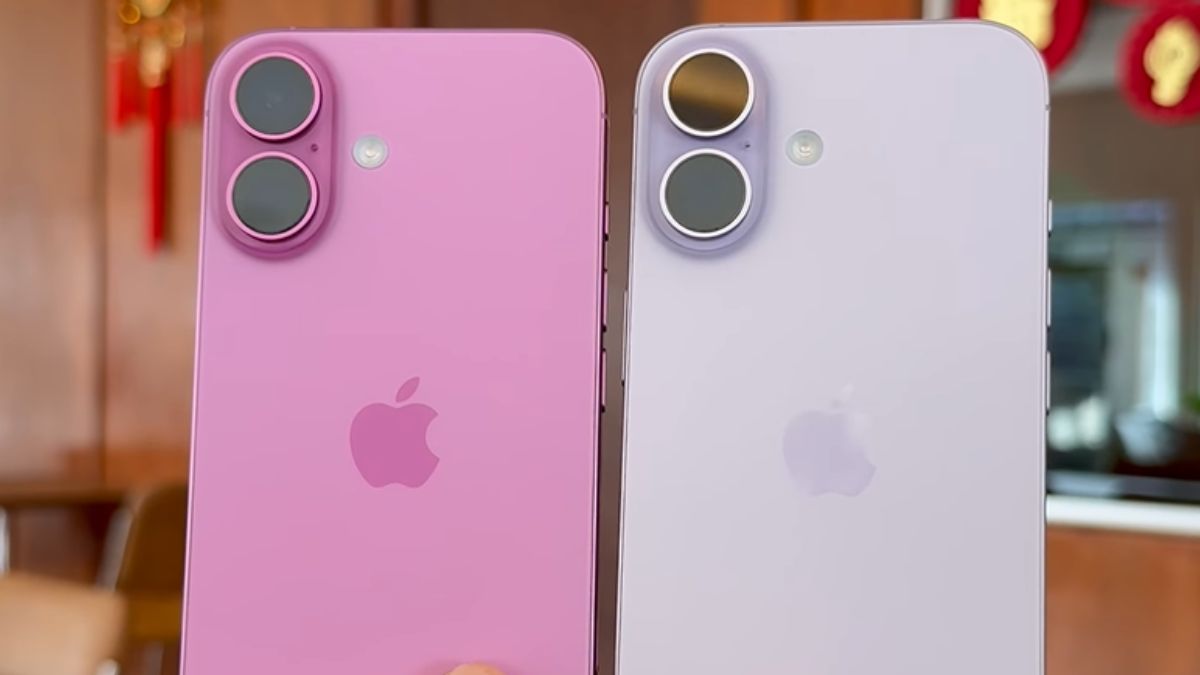
Nowadays, the iPhone 17 is becoming more popular, and many people are talking about the difference between iPhone 16 and iPhone 17. In this post, we’ll look at how much the iPhone 17 has improved compared to the iPhone 16. With its latest upgrades and new features, the iPhone 17 is expected to be one of the best-selling smartphones of 2026. So, what exactly has changed, and which upgrades make the iPhone 17 stand out? Let’s take a closer look.
iPhone 16 vs iPhone 17 specifications
| Specification | iPhone 16 | iPhone 17 |
|---|---|---|
| Operating System | iOS 18 | iOS 26 |
| Chipset | Apple A18 | Apple A19 |
| Dimensions | 147.6 × 71.6 × 7.8 mm(5.81 × 2.82 × 0.31 in) | 149.6 × 71.5 × 8 mm(5.89 × 2.81 × 0.31 in) |
| Screen Size | 6.1 inches | 6.3 inches |
| Screen Resolution | 2,556 × 1,179 pixels | 2,622 × 1,206 pixels |
| Rear Camera | 48 MP main + 12 MP ultra-wide | 48 MP main + 48 MP ultra-wide |
| Front Camera | 12 MP | 18 MP |
| Weight | 170 grams | 177 grams |
When you buy these phones from the market, the box includes only a 1-meter USB charging cable and documentation such as manuals and warranty information, along with the device itself. One of the biggest upgrade & notable difference between iPhone 16 and iPhone 17 is the starting storage:the iPhone 17 begins at 256GB, while the iPhone 16 started at 128GB. To put this into perspective, the 256GB version of the iPhone 16 was priced at $899 (U.S.) in 2024, whereas the iPhone 17 starts at $799 (U.S.) for 256GB. This makes the iPhone 17 not only upgraded but also more affordable for buyers.
The pricing is clear, so let’s make one more thing clear as well. At first glance, the iPhone 16 and iPhone 17 may look very similar in terms of design and size, but there is a noticeable difference in their dimensions. The iPhone 17 is slightly bigger than the iPhone 16 — it is around 2 mm taller, a little thicker, and features a larger 6.3-inch display, compared to the 6.1-inch screen on the iPhone 16.
When viewed from the back, the difference between iPhone 16 and iPhone 17 can be seen in slight color changes, but both phones use Corning Gorilla Glass on the rear, while the side frame is still made from aluminum. Although the design feels almost the same, the iPhone 17 is slightly heavier at 177 grams, compared to 170 grams for the iPhone 16. However, this weight difference is hardly noticeable in daily use, as Apple has maintained a well-balanced design for both phones. Although the iPhone 17 is a little taller, it still feels comfortable to hold.
One thing I noticed is that if you are using the iPhone 17, people may still think you are using an iPhone 16 when they see the phone from the back. This is because there are no major changes in the rear design of both phones. However, the difference becomes clear when you look at the display. The iPhone 17 features thinner bezels, which allows it to offer a larger 6.3-inch display compared to the 6.1-inch screen on the iPhone 16, without making the phone much bigger — and this is what I liked the most.
Another big upgrade is the 120Hz refresh rate on the iPhone 17, compared to the 60Hz display on the iPhone 16, making scrolling and animations feel much smoother. When watching 4K content, both phones look very similar, but the difference is noticeable outdoors. The iPhone 17 is brighter and clearer, thanks to its 3000 nits peak brightness, compared to 2000 nits on the iPhone 16.
When it comes to speaker loudness, both the iPhone 16 and iPhone 17 feature dual stereo speakers that deliver clear and balanced sound. However, test results are slightly mixed — some measurements suggest the iPhone 16 may be a bit louder, while others show that the iPhone 17 still produces strong and rich audio overall. You’ll also find the same Face ID system on both phones, which works smoothly and reliably, but you can find noticeable differences in the camera system.
Camera Comparison:Difference Between iPhone 16 and iPhone 17
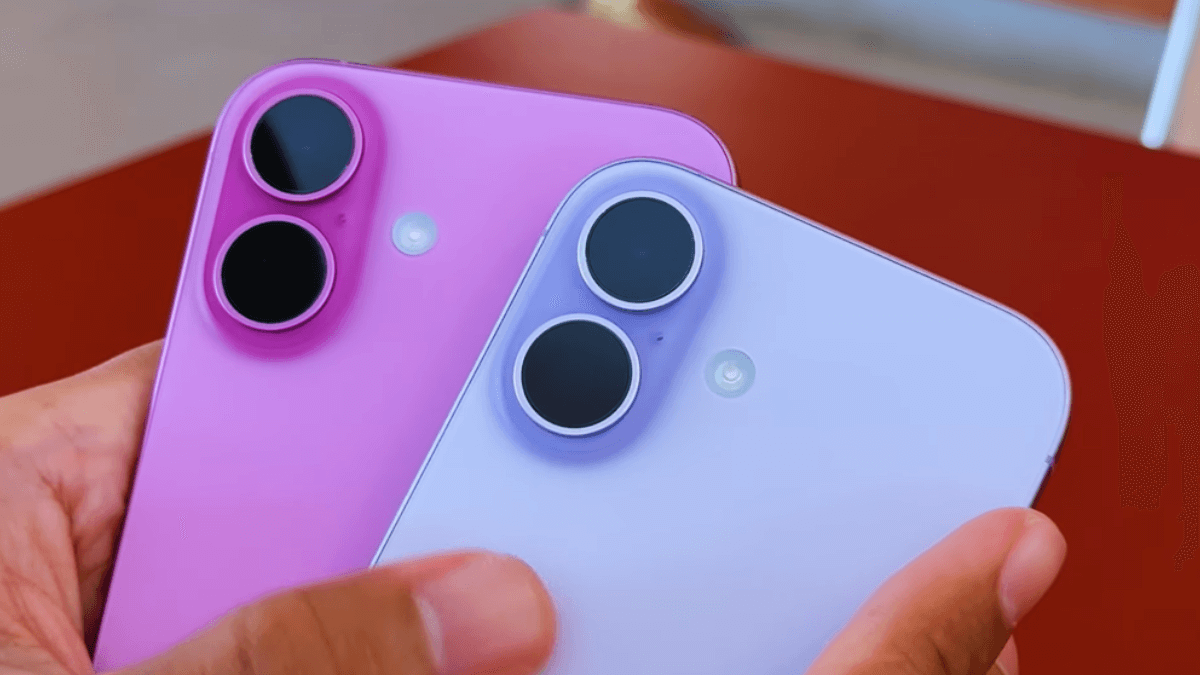
One key difference between iPhone 16 and iPhone 17 is the front camera: iPhone 17 comes with an 18MP front camera, while the iPhone 16 (Review) features a 12MP selfie camera. One noticeable upgrade in the iPhone 17’s selfie camera is the Center Stage feature, which helps capture a wider field of view in selfies.
At first glance, selfies taken from both phones may look very similar, but when you zoom in and check the details closely, the iPhone 17 clearly shows slightly better sharpness and clarity thanks to its higher-resolution 18MP sensor. That said, the improvement is not massive — it’s more of a refinement than a big jump.
The real camera upgrade appears on the back. The iPhone 17 now features a 48MP main camera and a new 48MP ultra-wide lens, whereas the iPhone 16 already had a 48MP main camera but only a 12MP ultra-wide lens. Both phones can capture a wide field of view using the ultra-wide camera, but the iPhone 17 delivers better color accuracy, improved details, and noticeably better low-light performance.
When it comes to the main camera, there is no major difference — both phones can capture excellent photos with similar colors and details. Portrait mode also remains largely the same, with 1× and 2× options available on both devices, producing similar-quality shots.
For video, both the iPhone 16 and iPhone 17 support 4K recording at 60fps, along with 120fps and 240fps slow-motion video, offering smooth motion capture. Video stability and color performance are excellent on both phones. The selfie camera also supports 4K video at 60fps on both devices.
Overall, the iPhone 17 does bring meaningful improvements to the selfie and ultra-wide cameras, even though the main camera experience remains very similar. But what about performance? Let’s take a look at how the two phones compare in terms of power and speed.
Performance Comparison: A18 vs A19 Chip
As you may already know, the iPhone 17 is powered by the A19 chip, while the iPhone 16 runs on the A18 chip, so the iPhone 17 naturally delivers better benchmark scores and overall performance. The Apple A19 chip offers faster performance, improved power efficiency, better graphics, and stronger AI processing, which results in smoother gaming, quicker app launches, and more efficient battery usage highlighting the difference between iPhone 16 and iPhone 17.
However, based on my usage, the heating performance feels almost the same on both devices. Even though the iPhone 17 feels smoother thanks to its 120Hz refresh rate, especially during scrolling and gaming, the overall experience is still very similar to the iPhone 16 in day-to-day use. You can play games smoothly on both phones, but heating is still noticeable, so while performance has clearly improved, thermal control hasn’t changed as much as expected.
Both phones can be upgraded to iOS 26 and offer the same design, similar UI, and the same overall software experience. I also expected bigger changes in Apple Intelligence, but personally, I didn’t notice any major difference between the two models. Now the real question is—is there any difference in battery performance? Let’s find out.
Battery Life & Charging: iPhone 16 vs iPhone 17
The difference between iPhone 16 and iPhone 17 can be seen in the battery as well: The iPhone 17 comes with a 3692 mAh battery, while the iPhone 16 packs a 3561 mAh battery, so there is a small increase in battery capacity. The iPhone 16 supports 25W fast charging, whereas the iPhone 17 upgrades to 45W fast charging, allowing the phone to reach a full charge in around 1 hour and 15 minutes, which is a noticeable improvement.
There is also a slight improvement in wireless MagSafe charging on both models, and both phones support 4.5W reverse wired charging. Overall, the iPhone 17 brings small but meaningful upgrades in battery capacity and charging speed. Now, let’s take a look at the overall changes and upgrades between the two devices.
Final Thoughts: iPhone 16 or iPhone 17 — Which One Should You Choose?
By now, you should have a clear idea of the differences between the iPhone 16 and iPhone 17 based on the comparison above. If you don’t currently own an iPhone 16 and your budget is $799, the iPhone 17 is a solid choice, as it offers the latest hardware and features in Apple’s current lineup.
However, if you are already using an iPhone 16, there is no strong reason to upgrade to the iPhone 17, as there are no major changes that you would truly miss. The iPhone 17 does offer a 120Hz refresh rate, but many users may not notice a big difference compared to a 60Hz display in everyday use. Similarly, the 18MP selfie camera sounds like a big upgrade on paper, but in real usage, photo and video colors remain very similar.
Even in terms of performance, the difference between the iPhone 16 and iPhone 17 is not dramatic in daily use. Overall, the upgrade is optional — if you want the latest model, you can go for the iPhone 17, but iPhone 16 users can comfortably skip this generation.